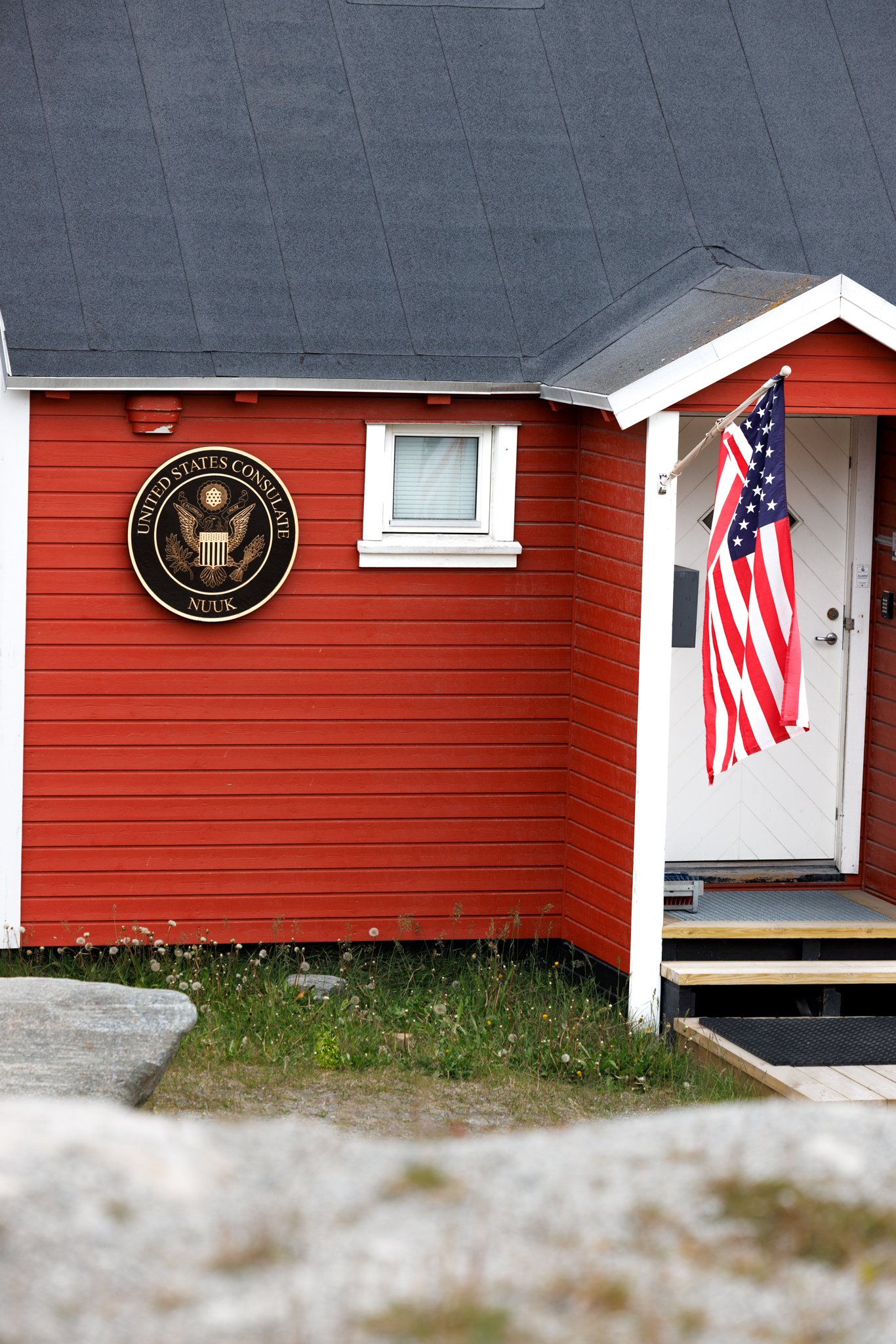
From a tiny red AMERICAN consulate in Nuuk, to a tented camp in the fjords, this is Greenland in the present tense.
A PHOTO essay about scale, attention, and what stays quiet.
Available for editorial publishing
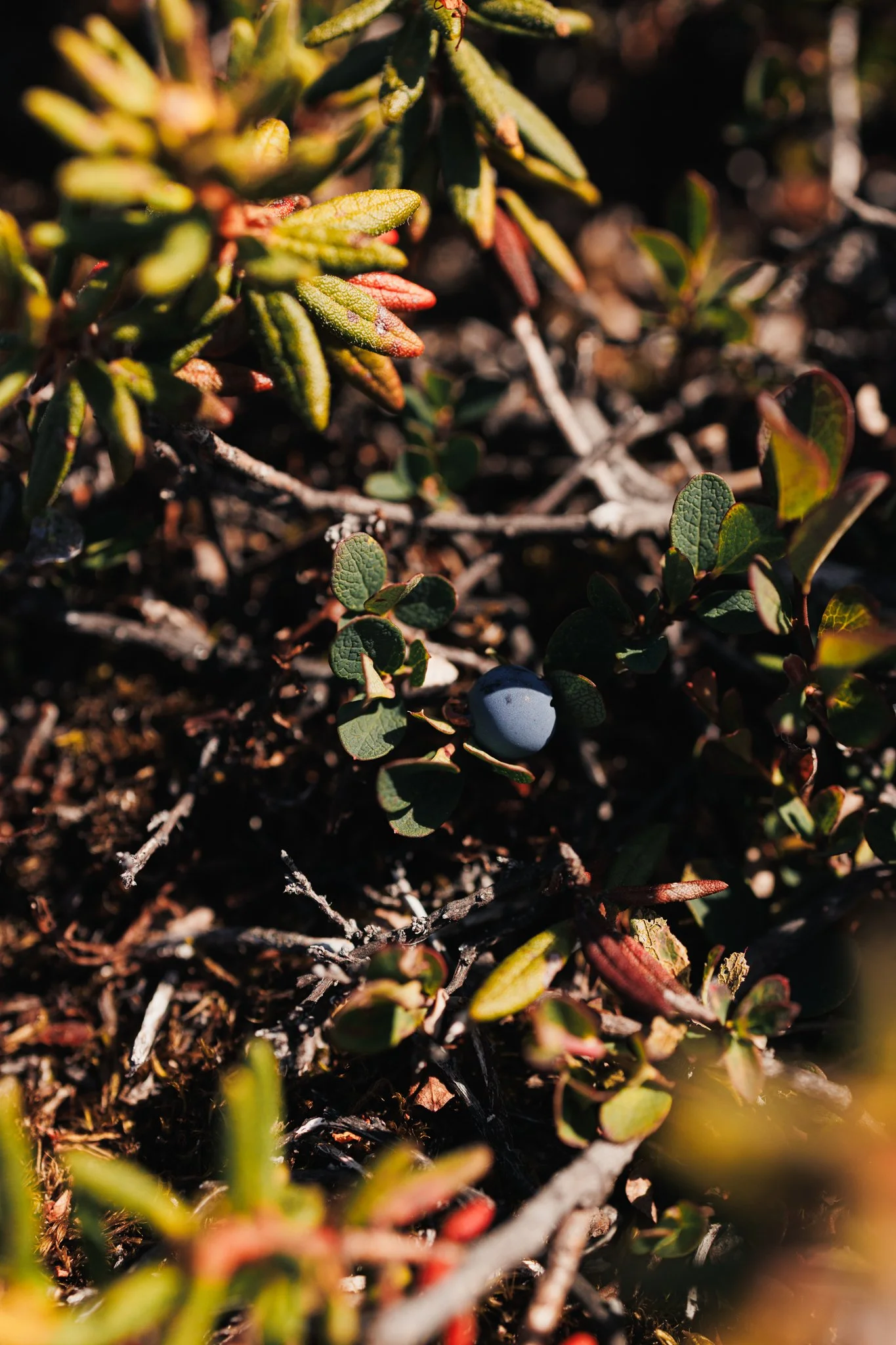
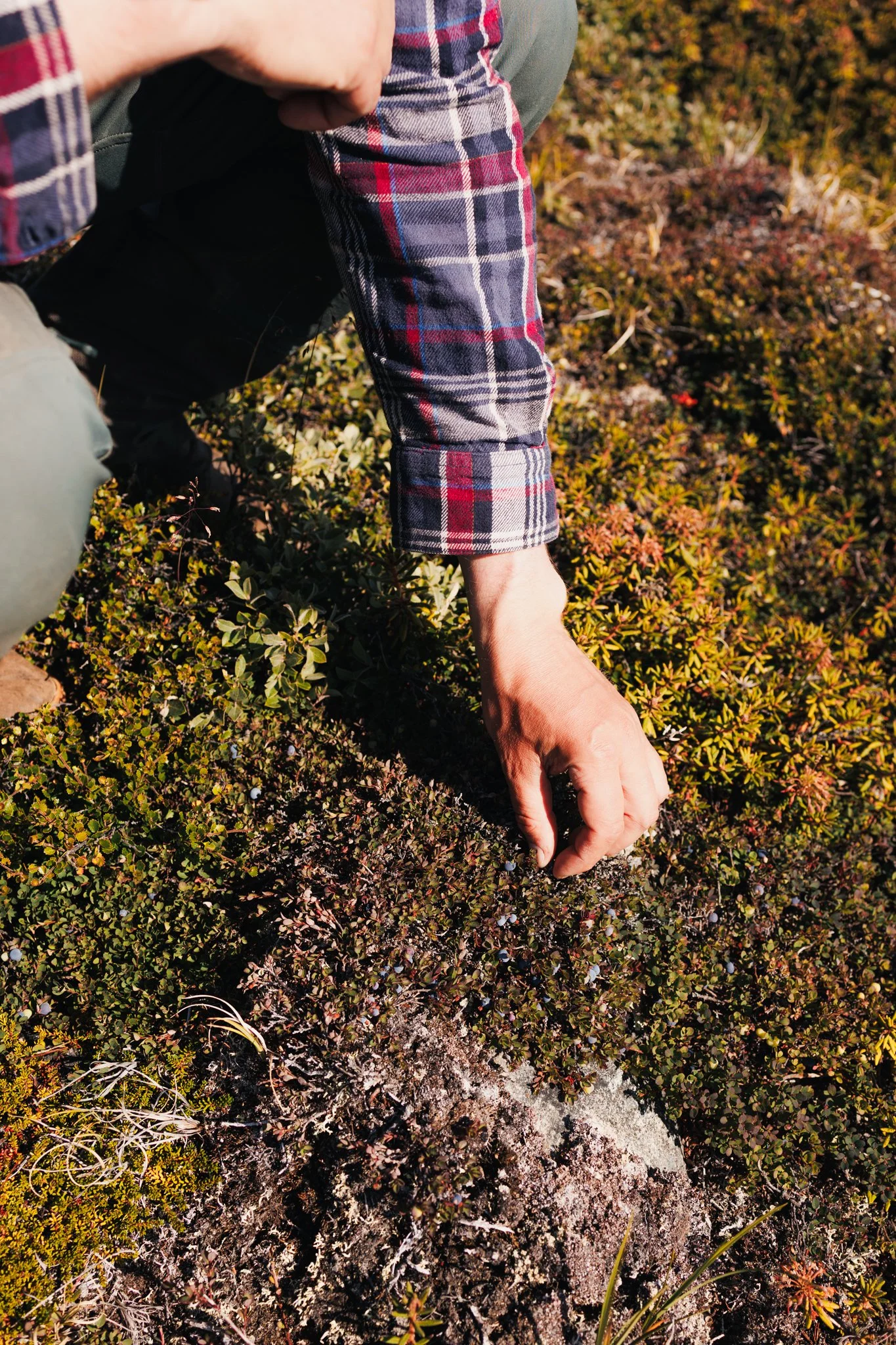
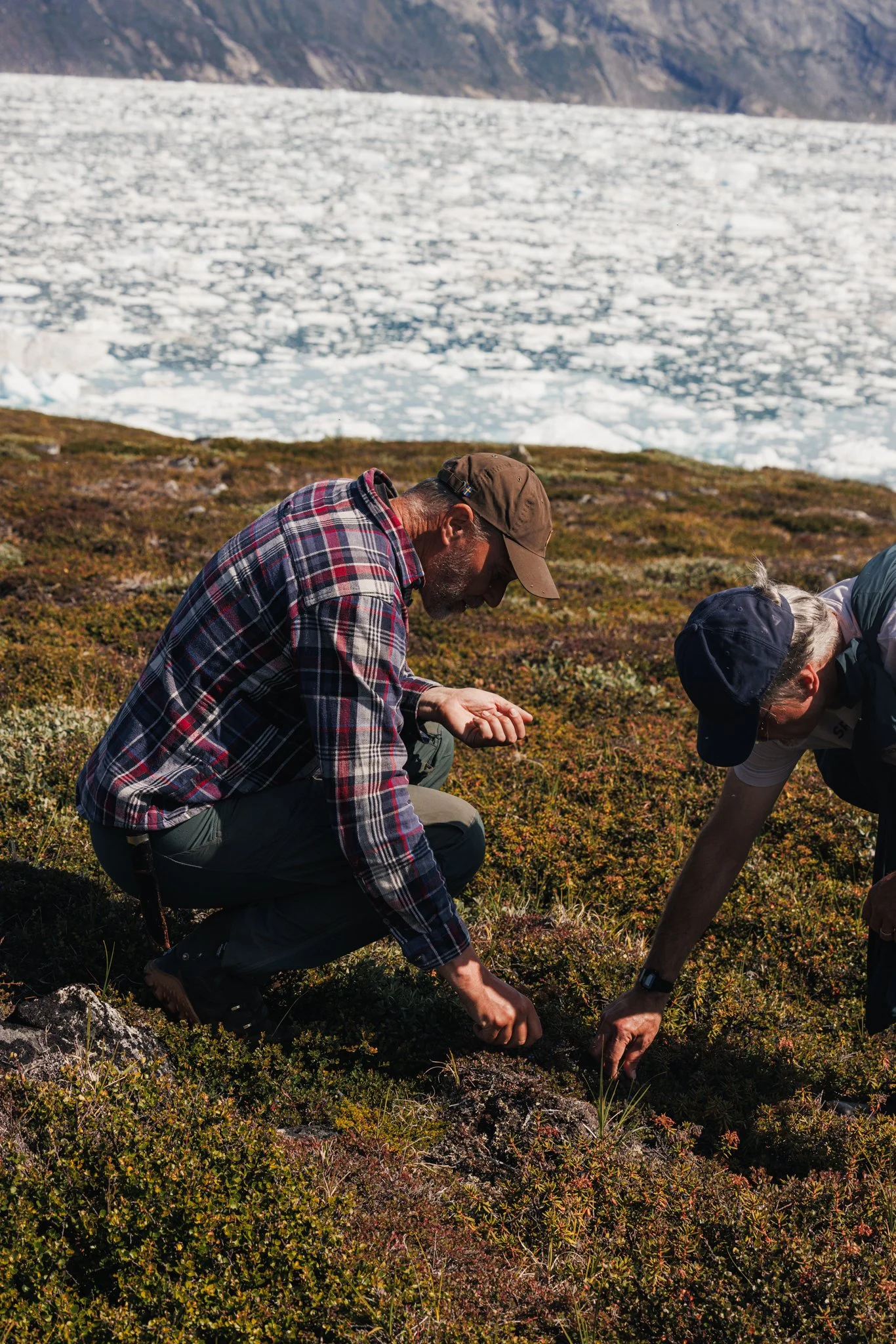
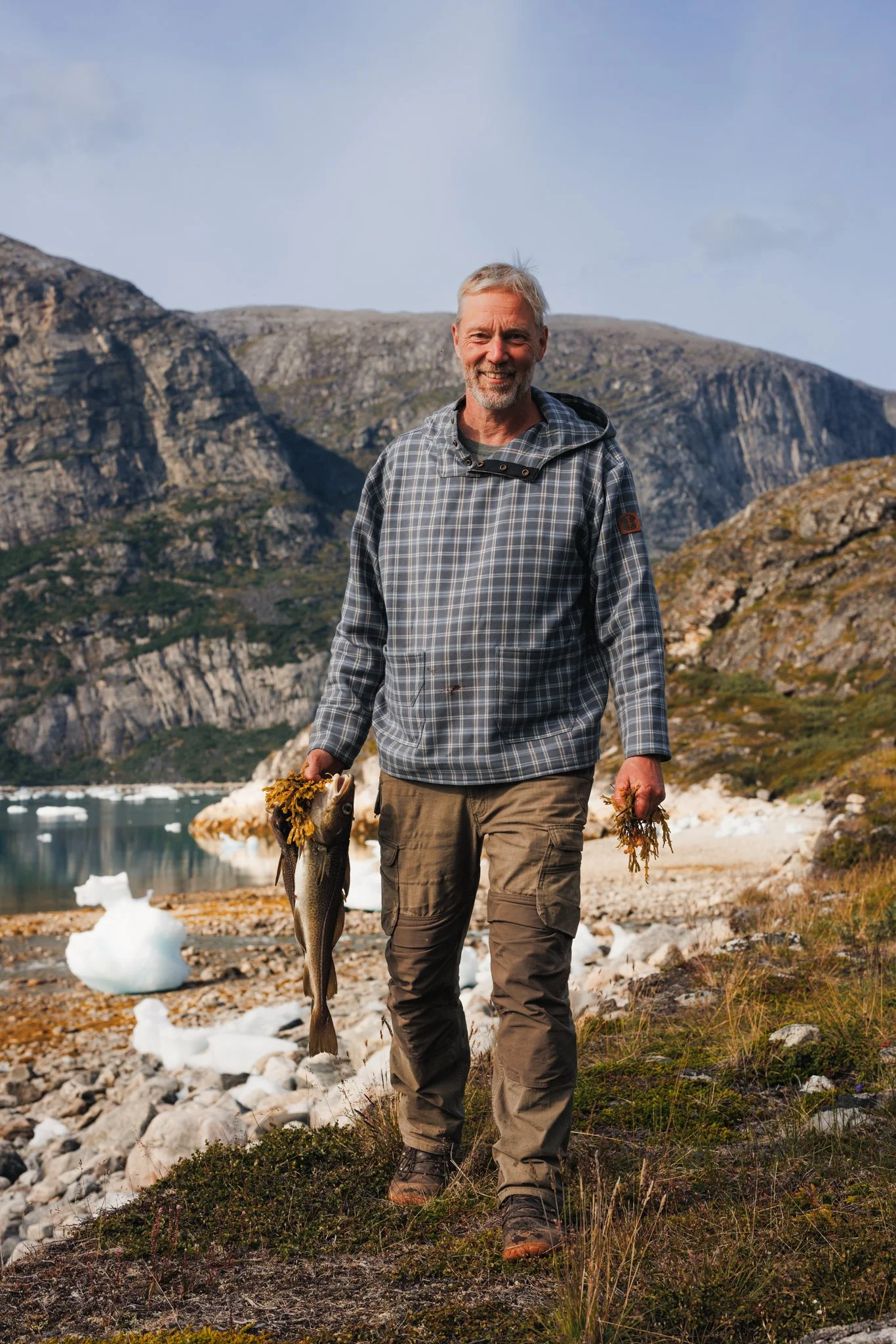
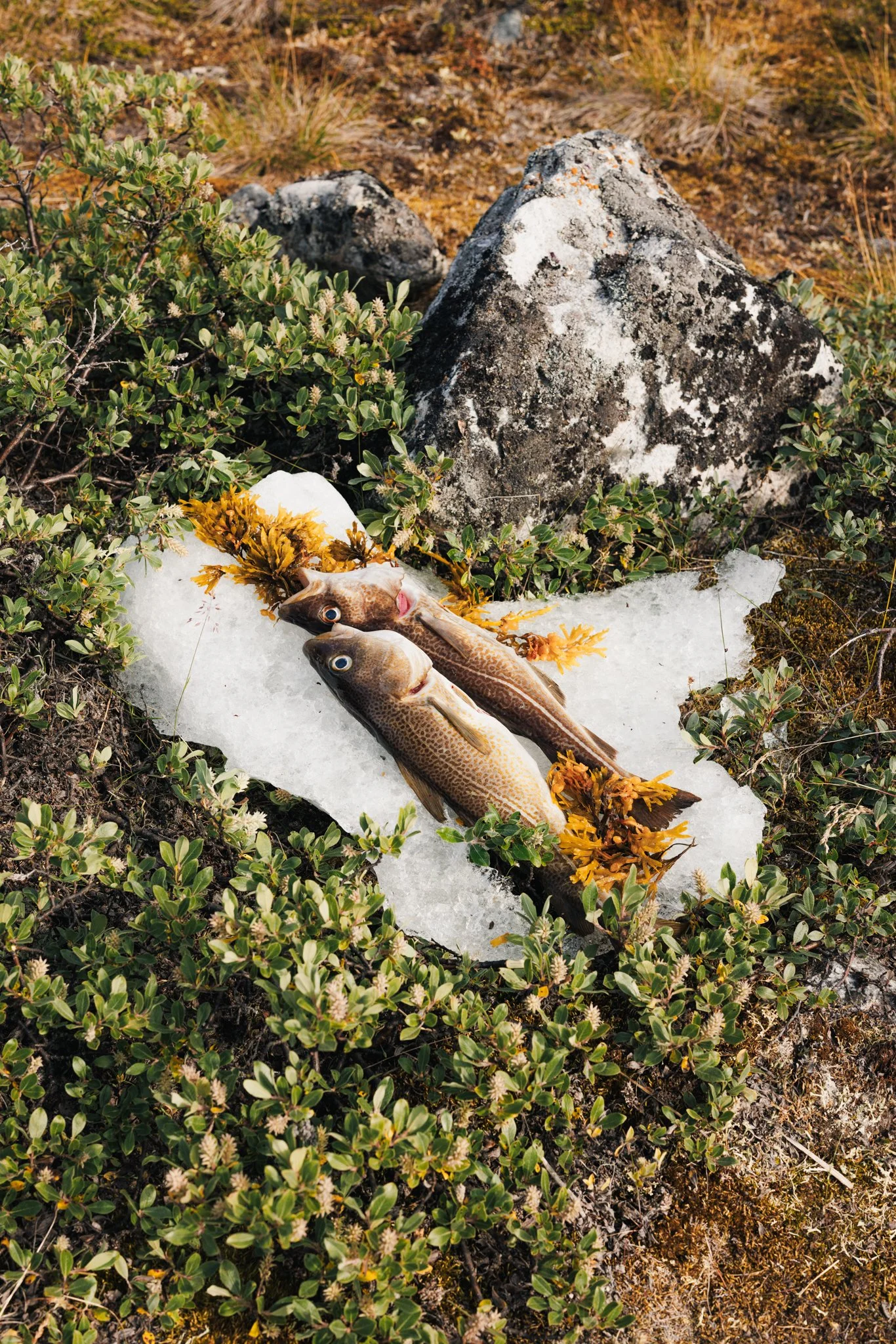
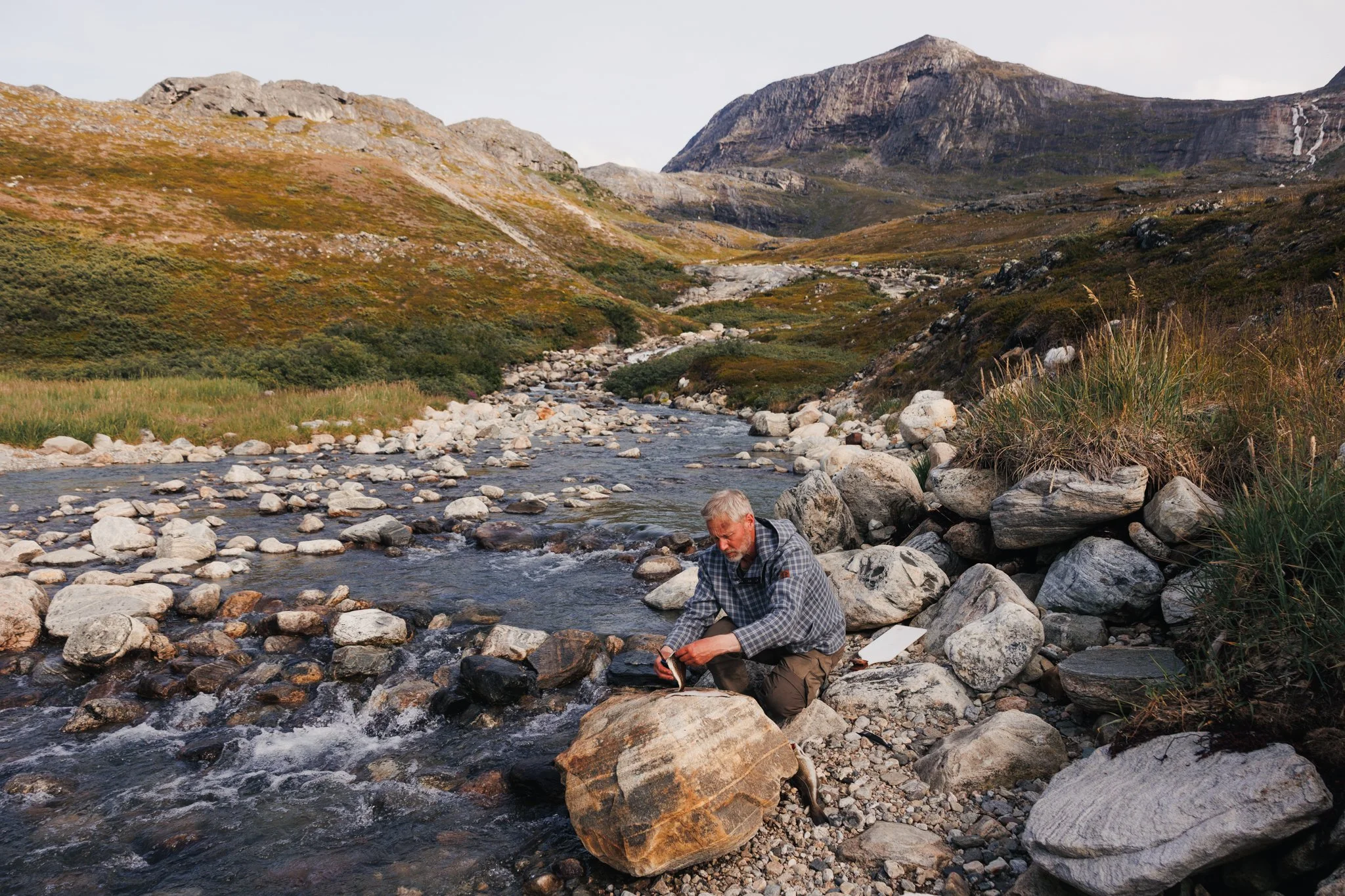
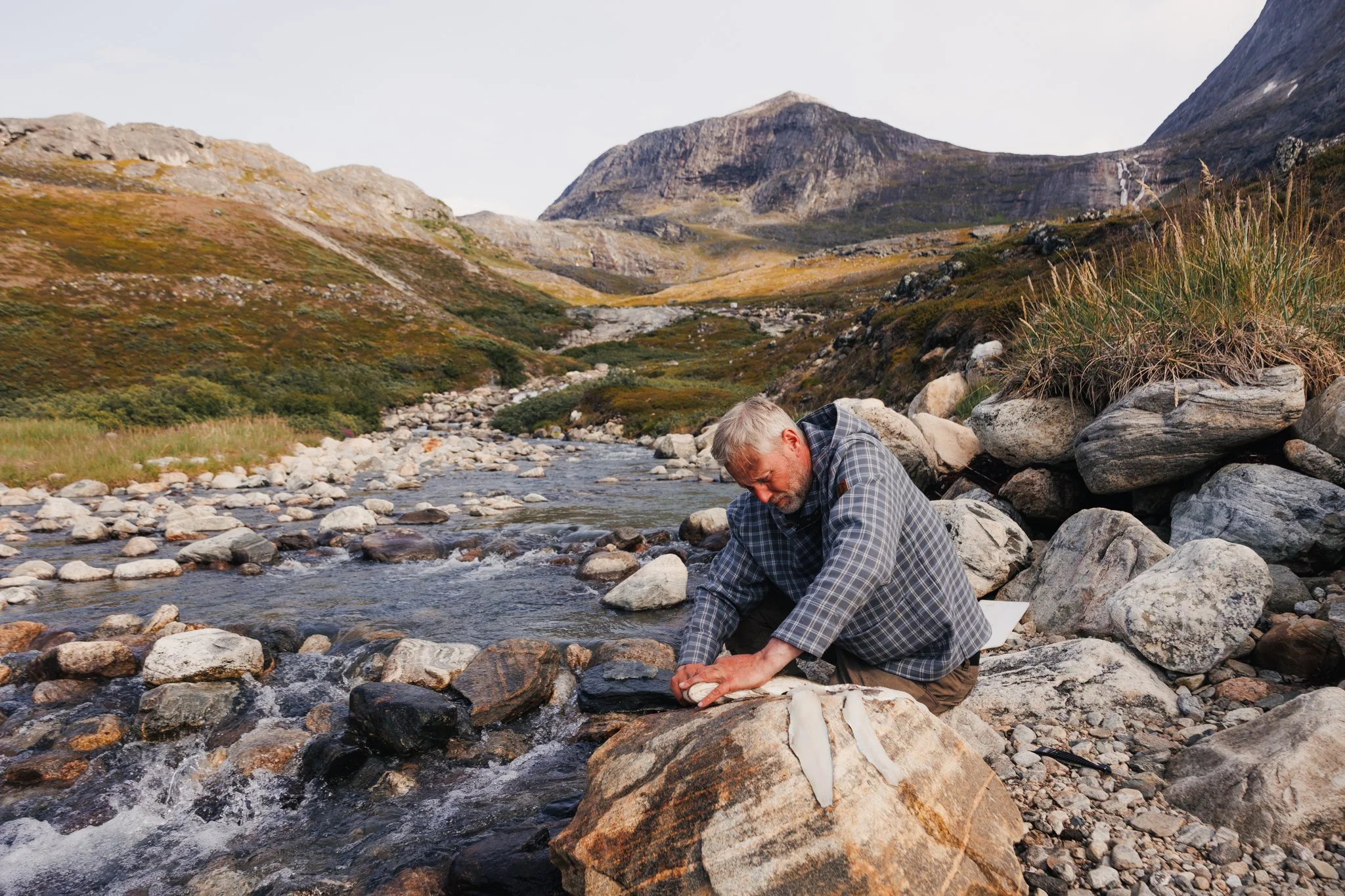
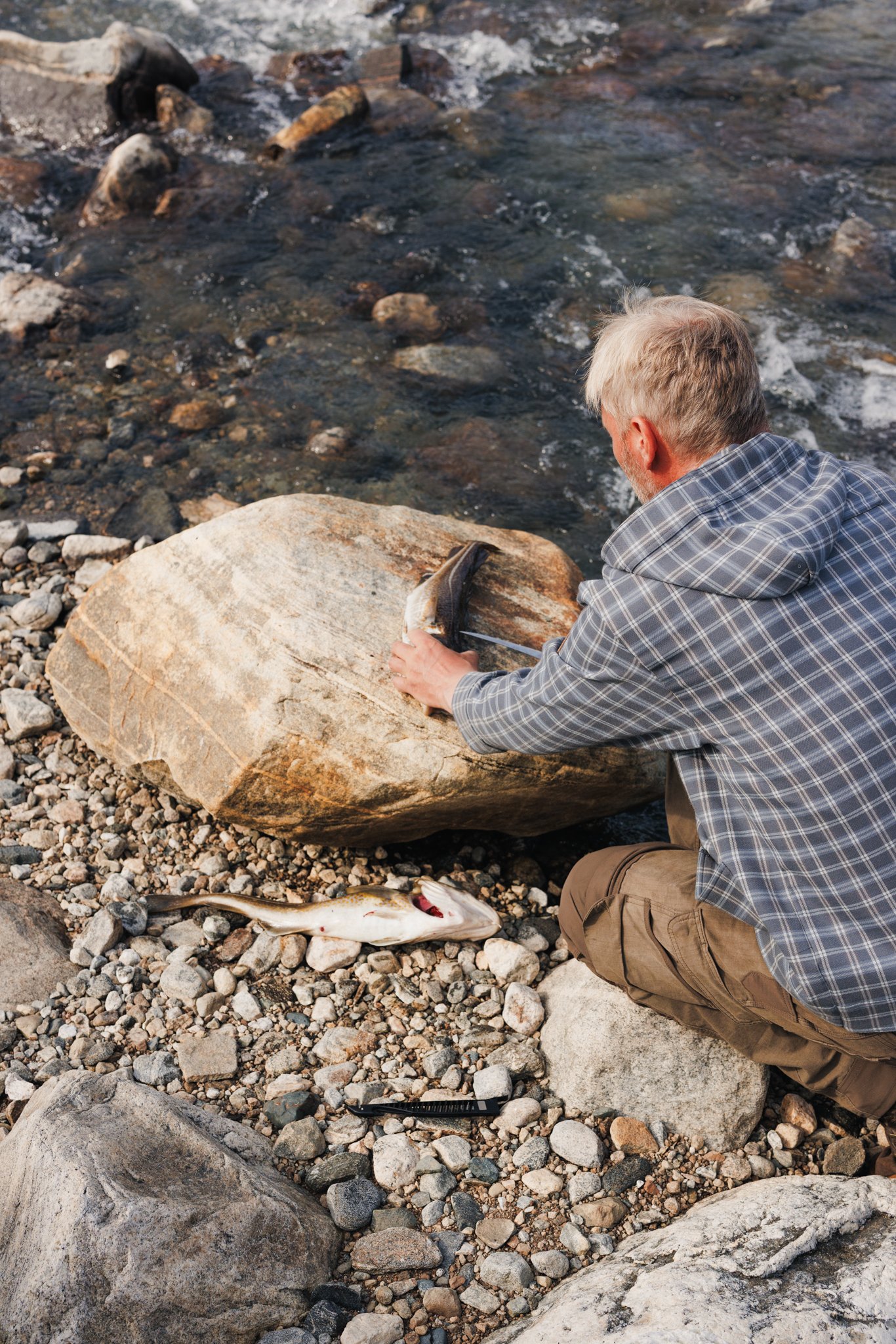
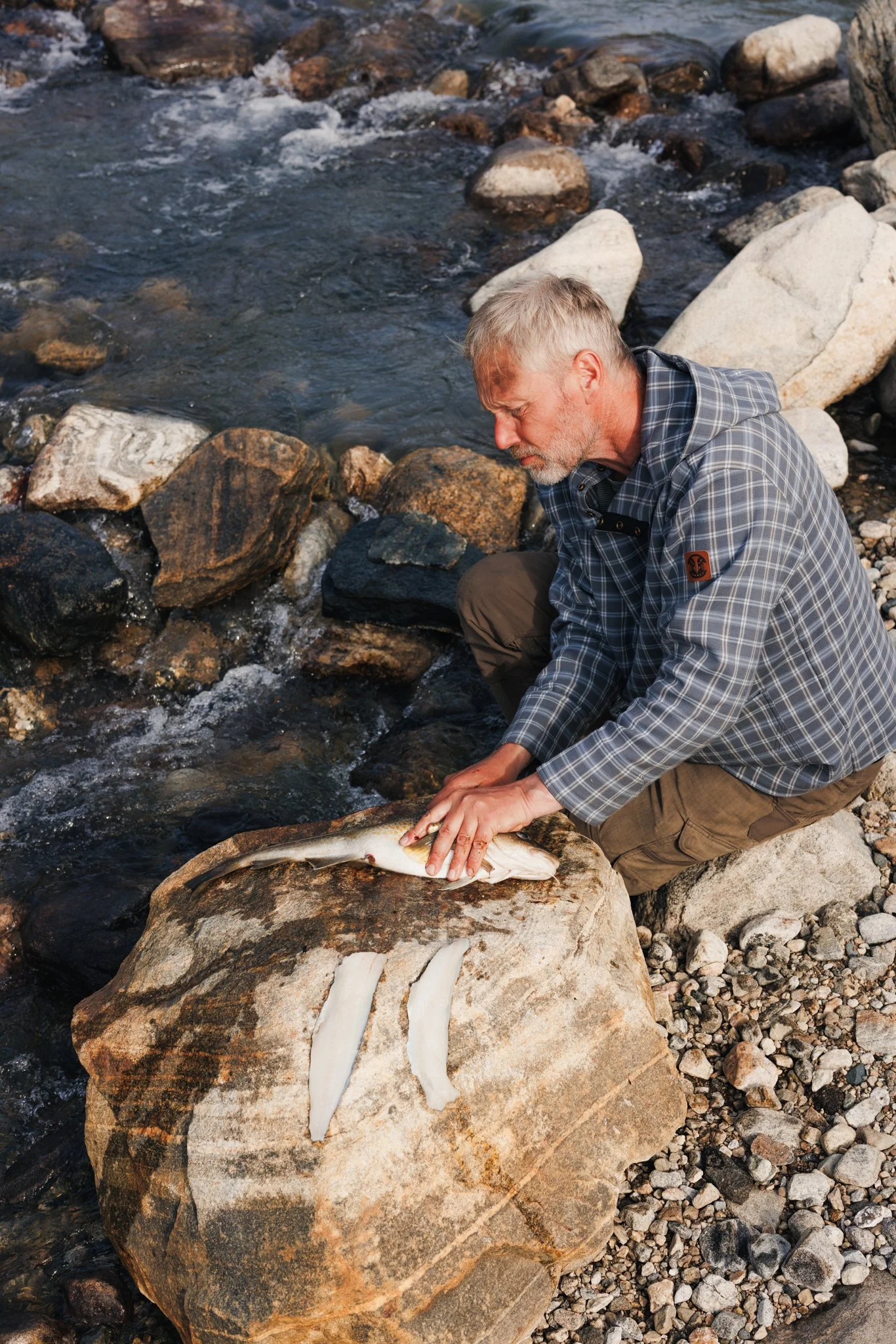
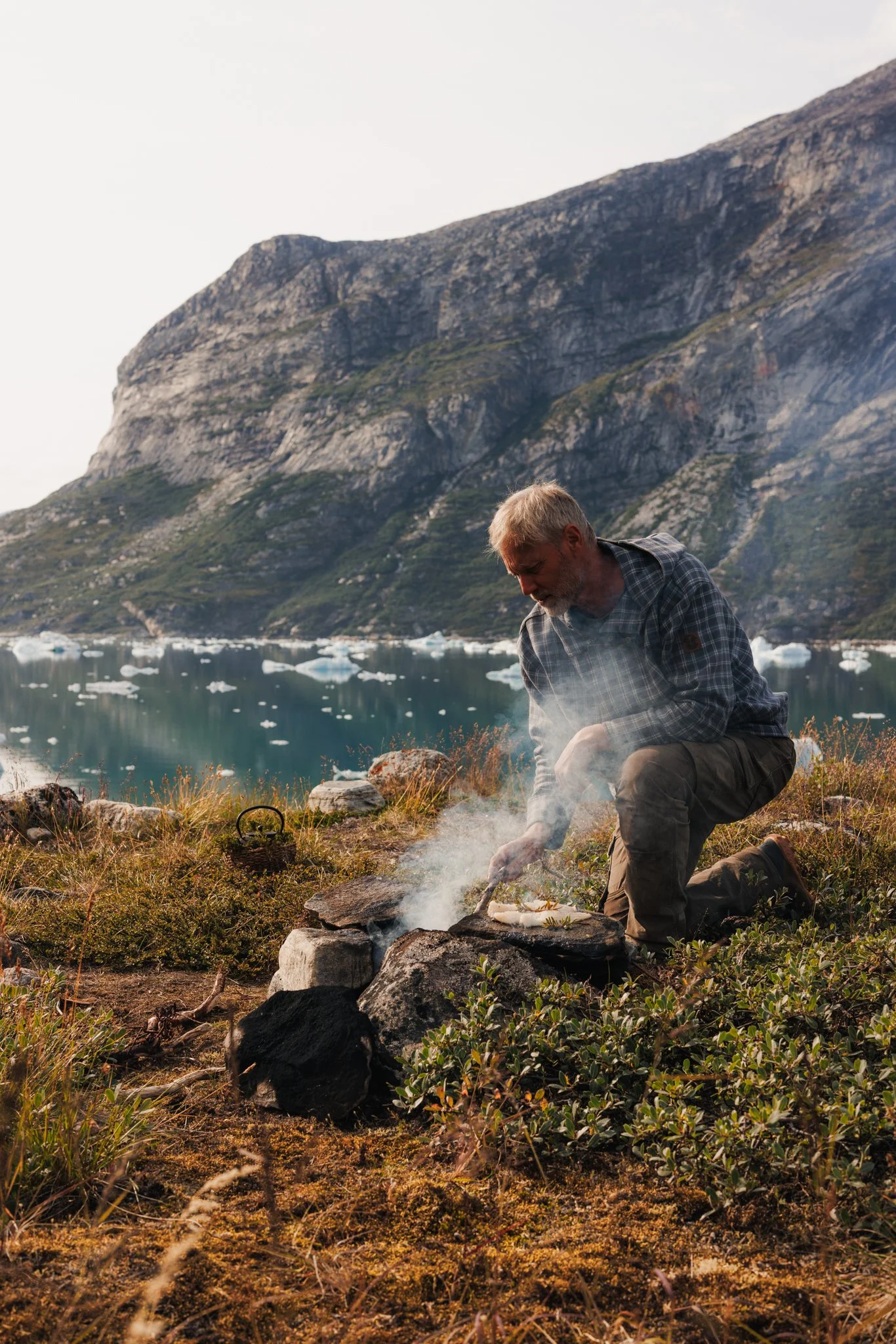
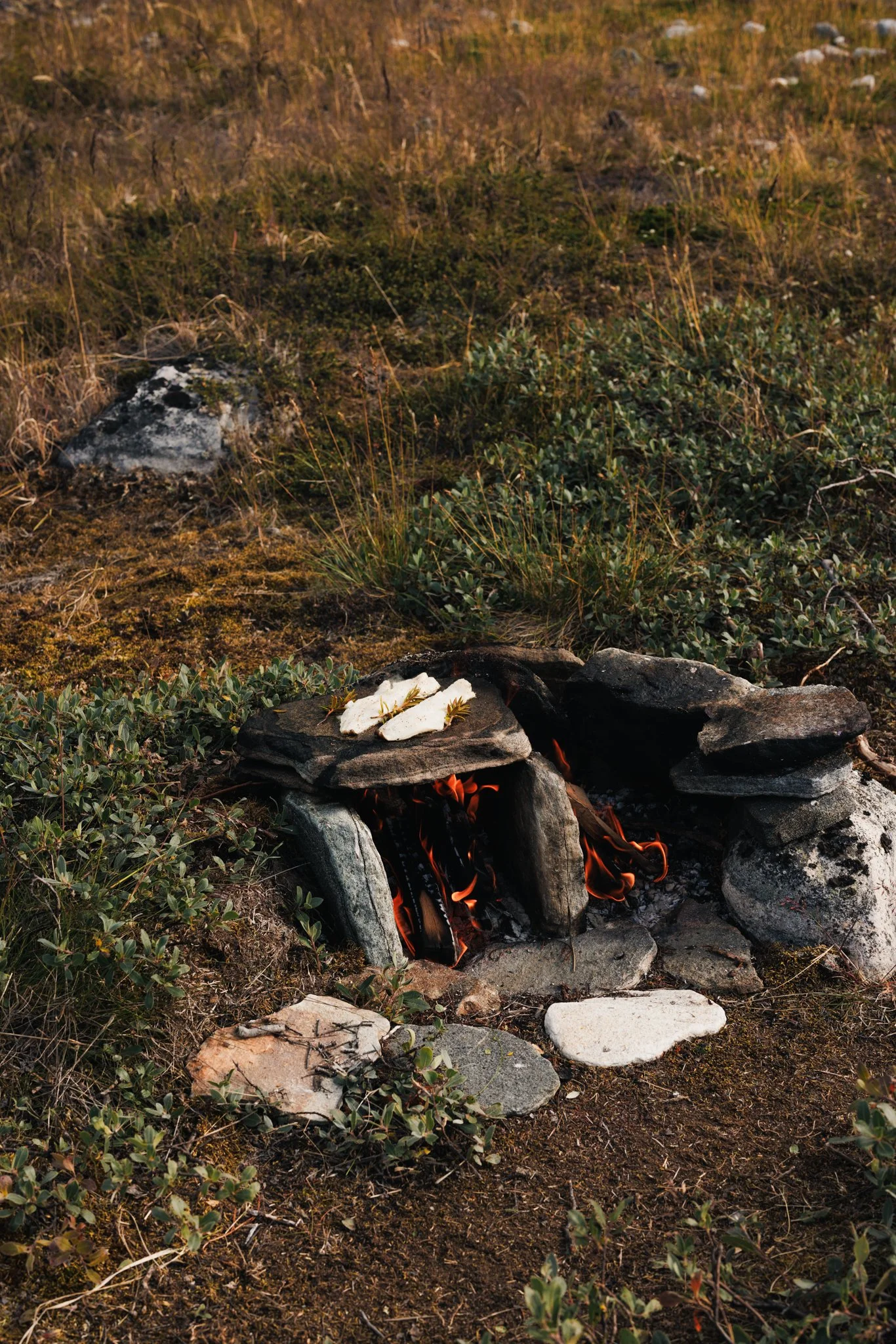
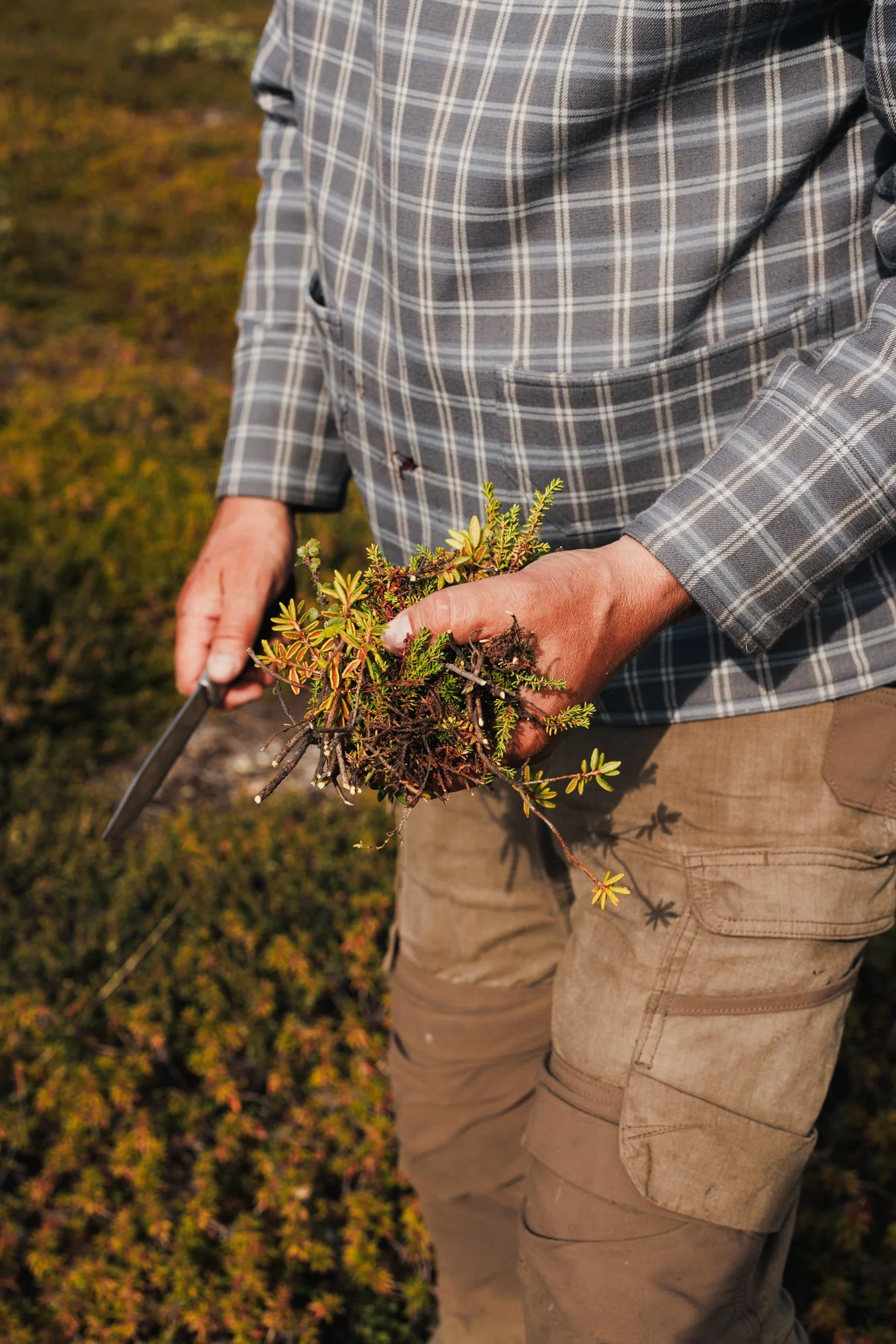
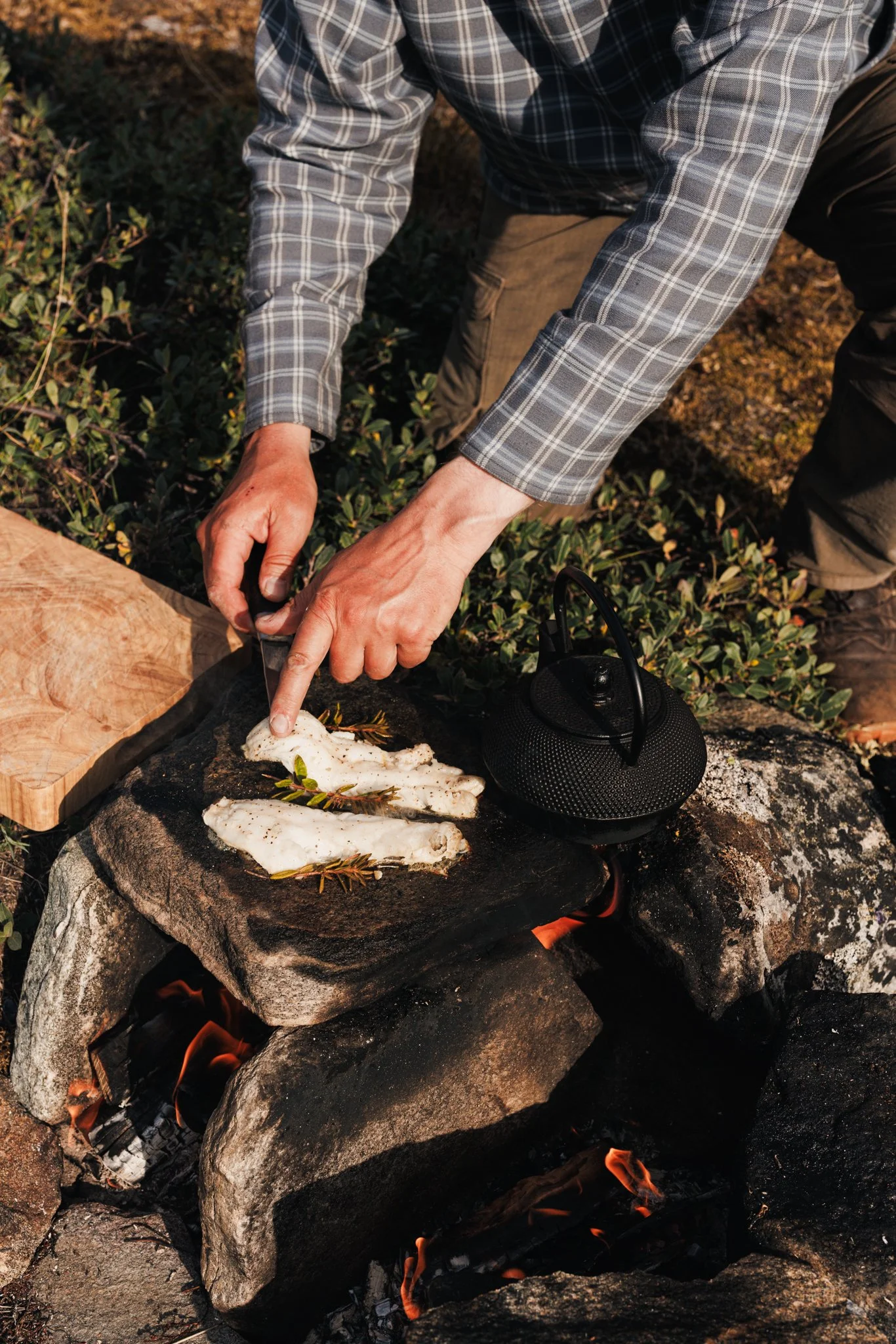
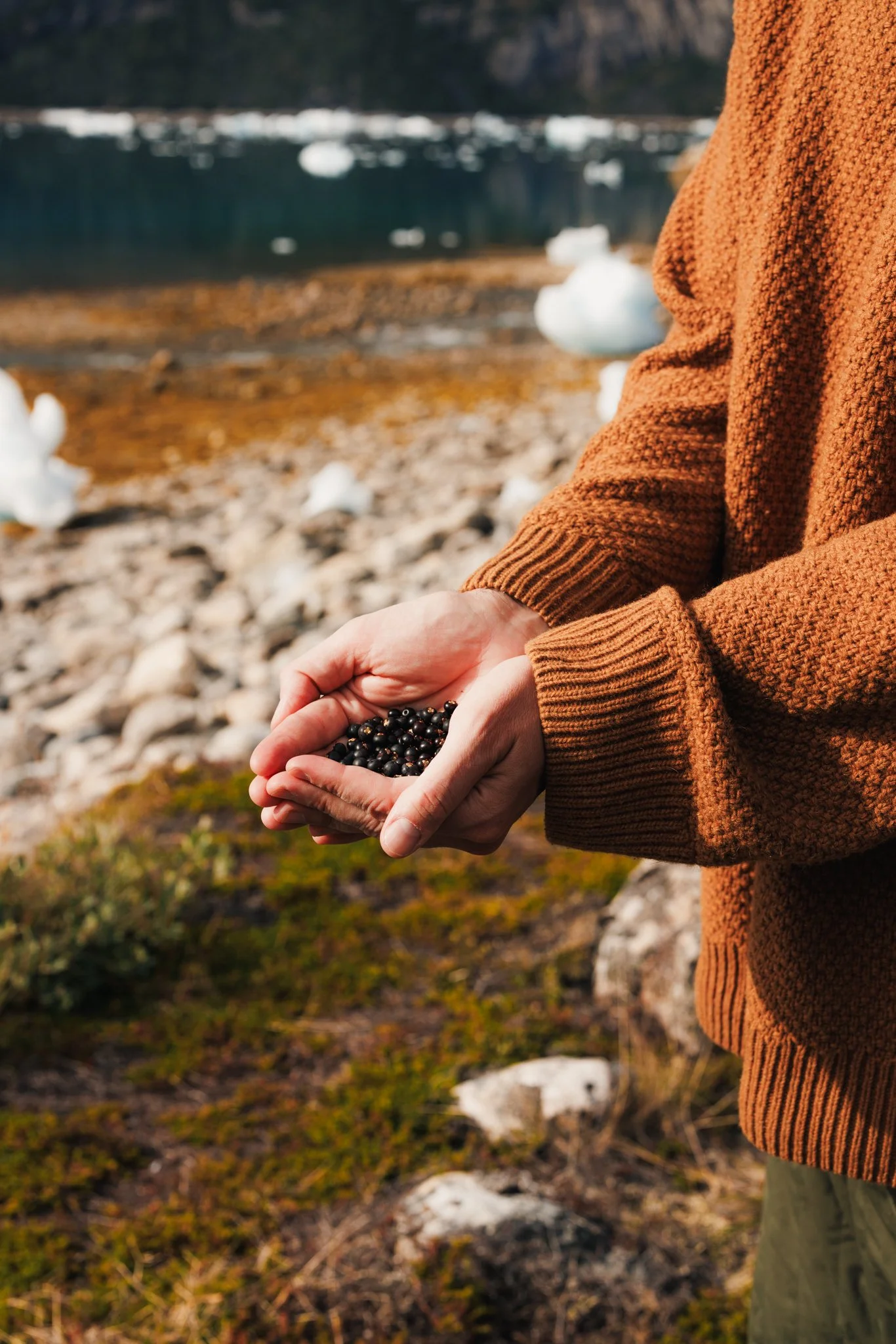
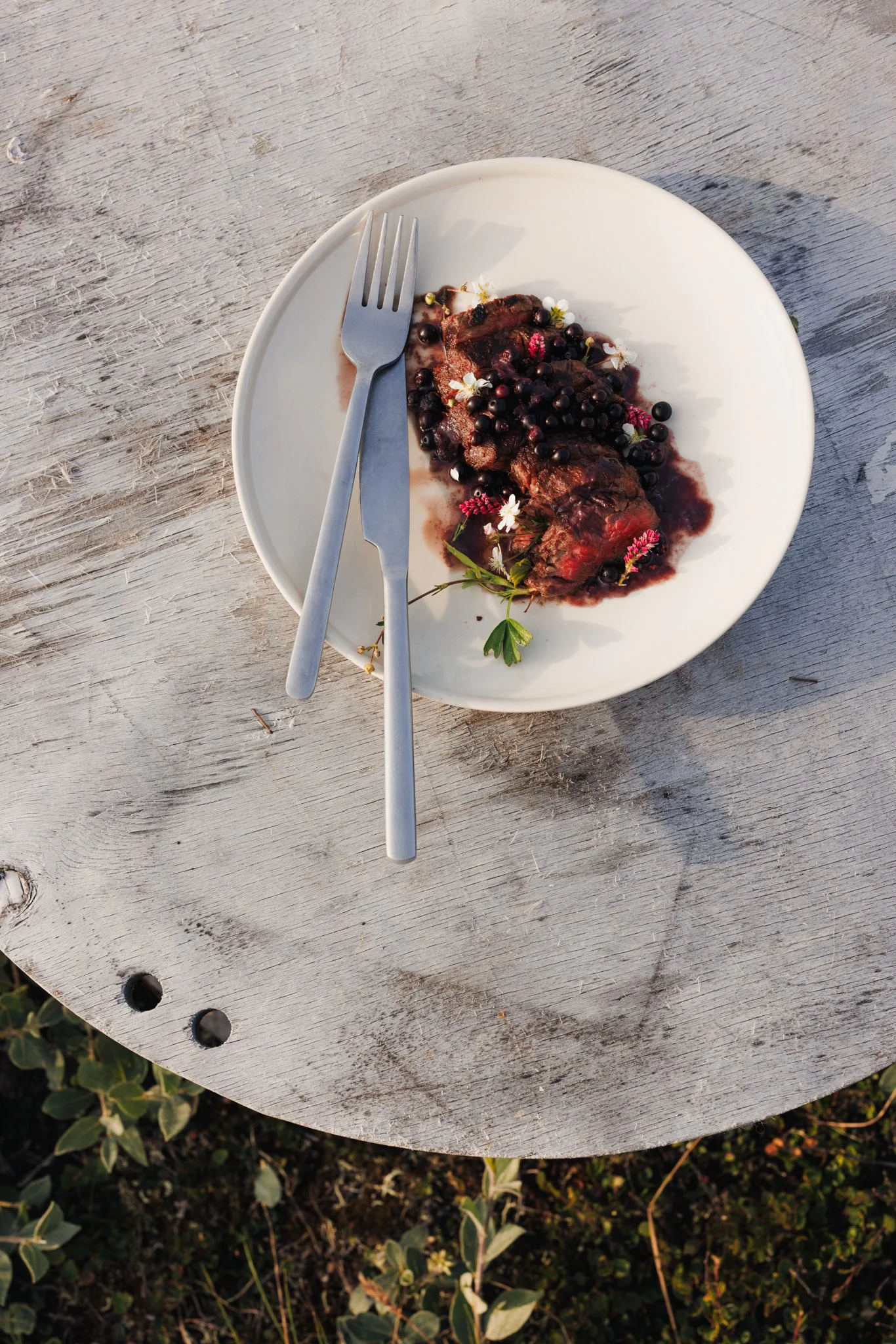
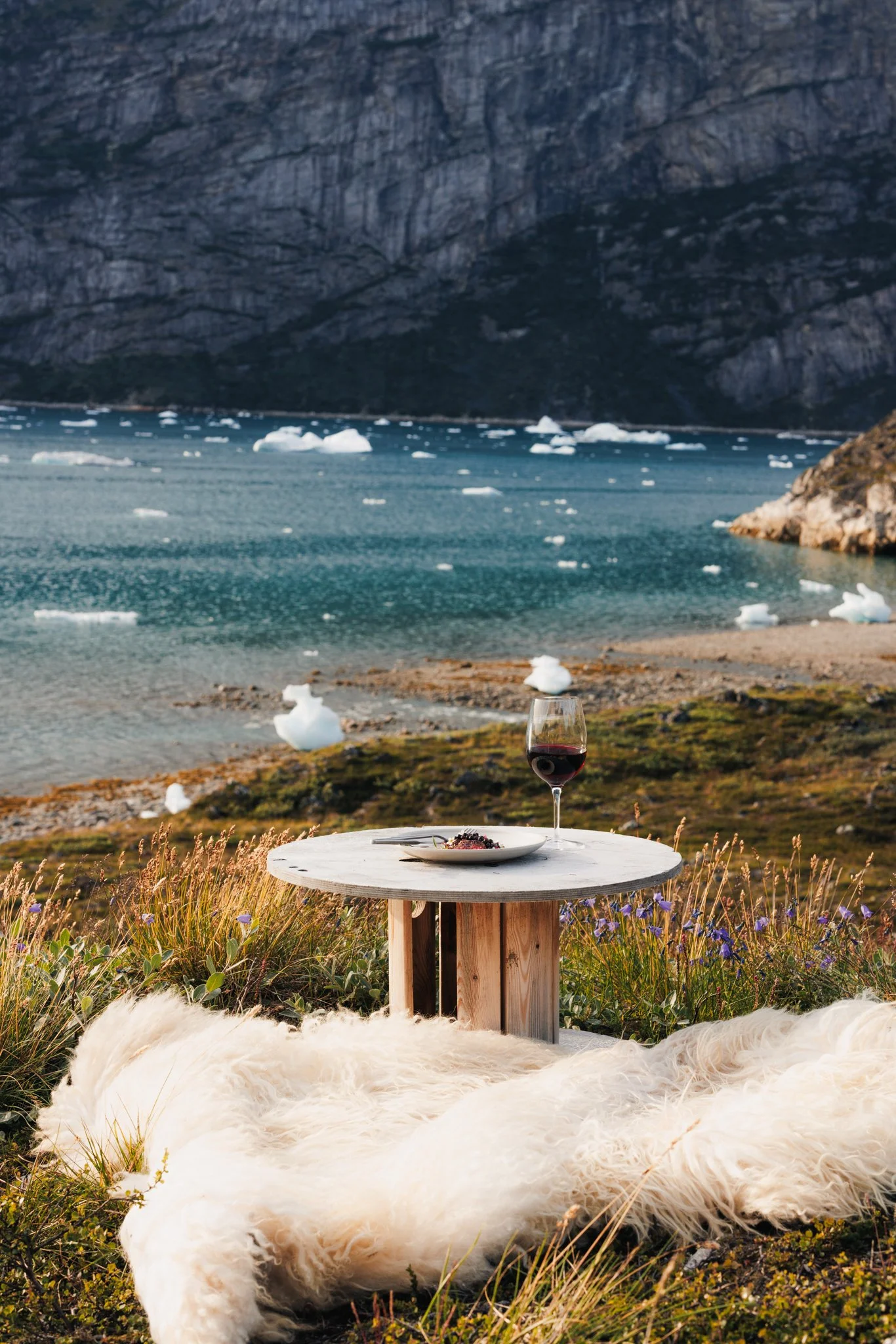
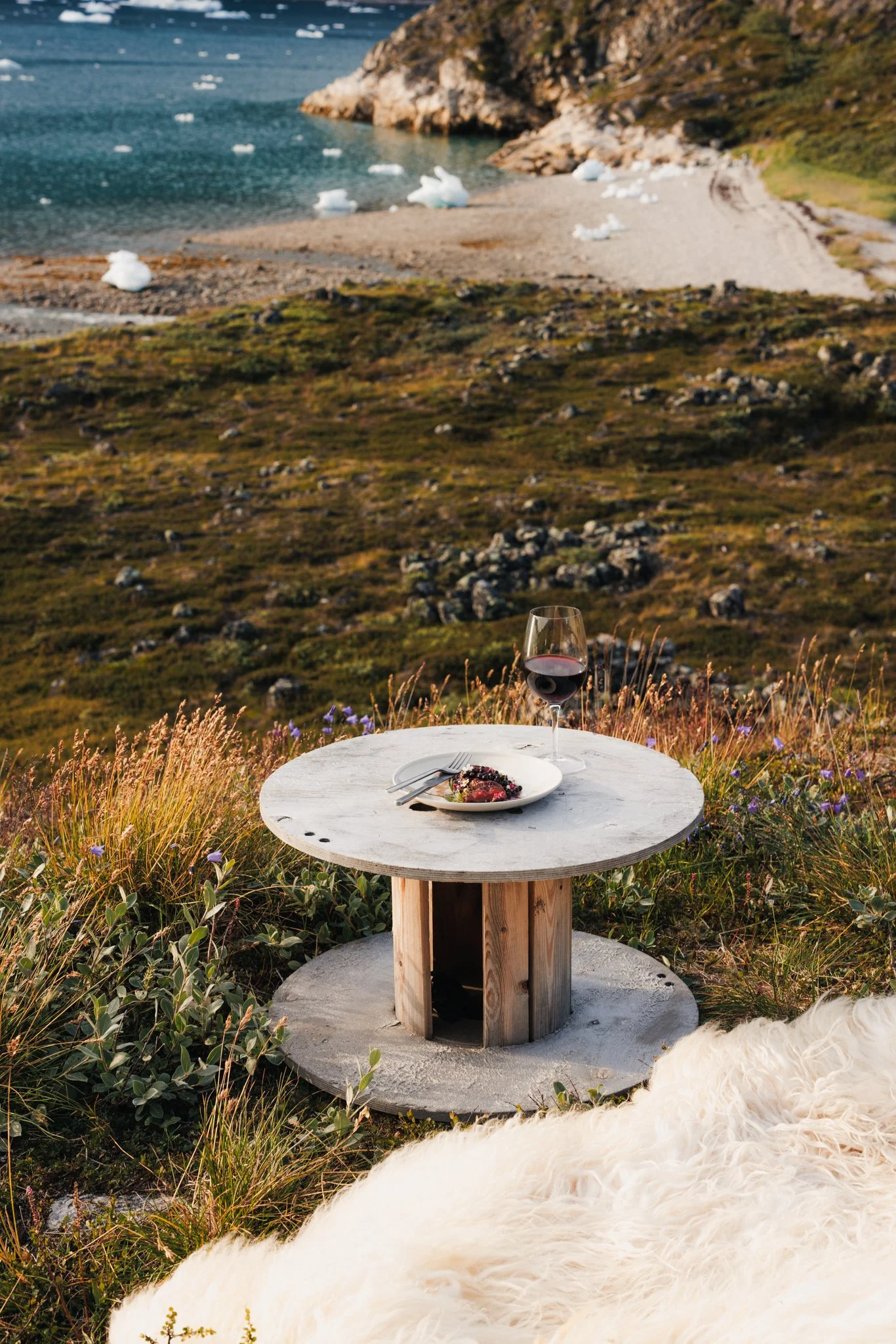
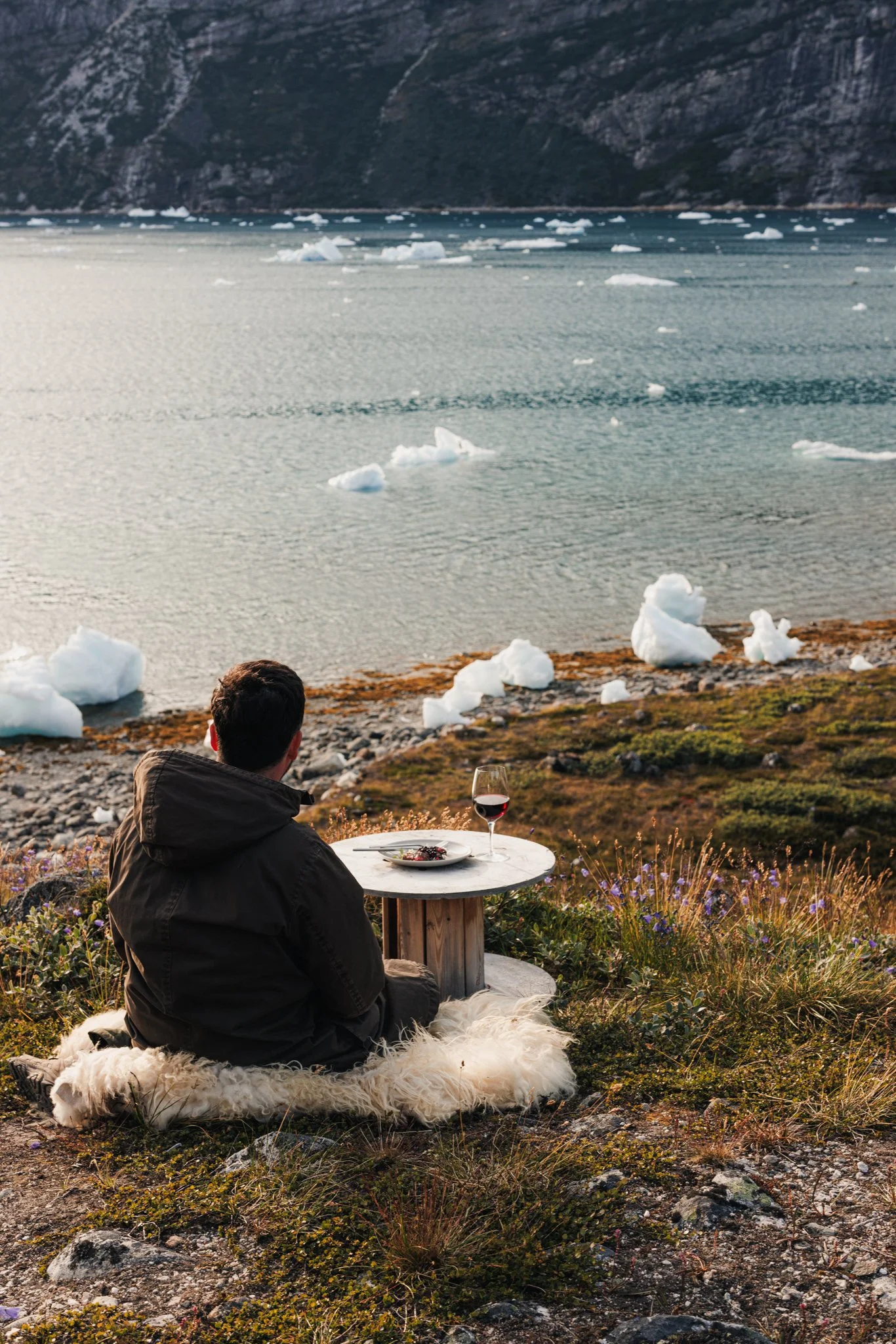
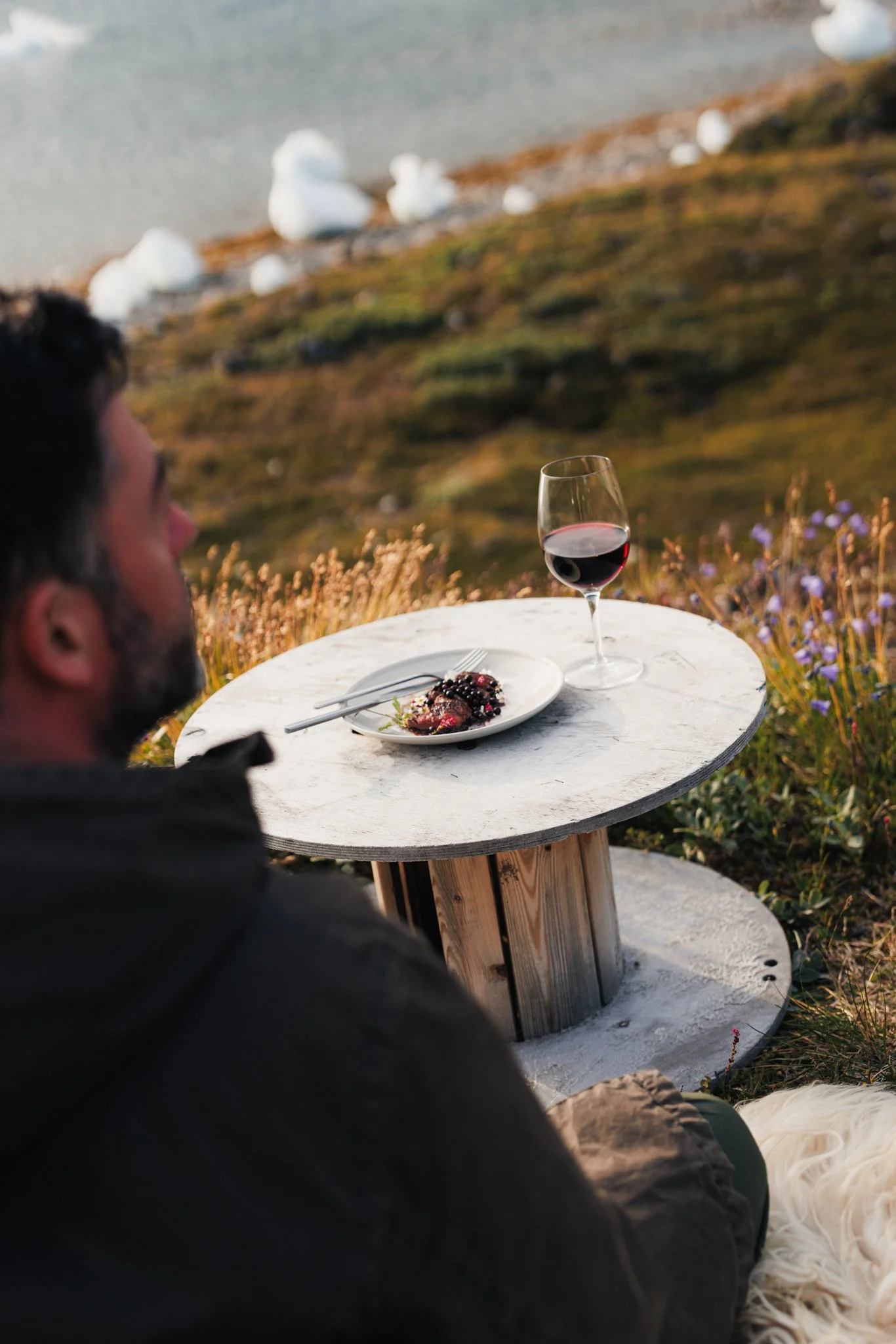
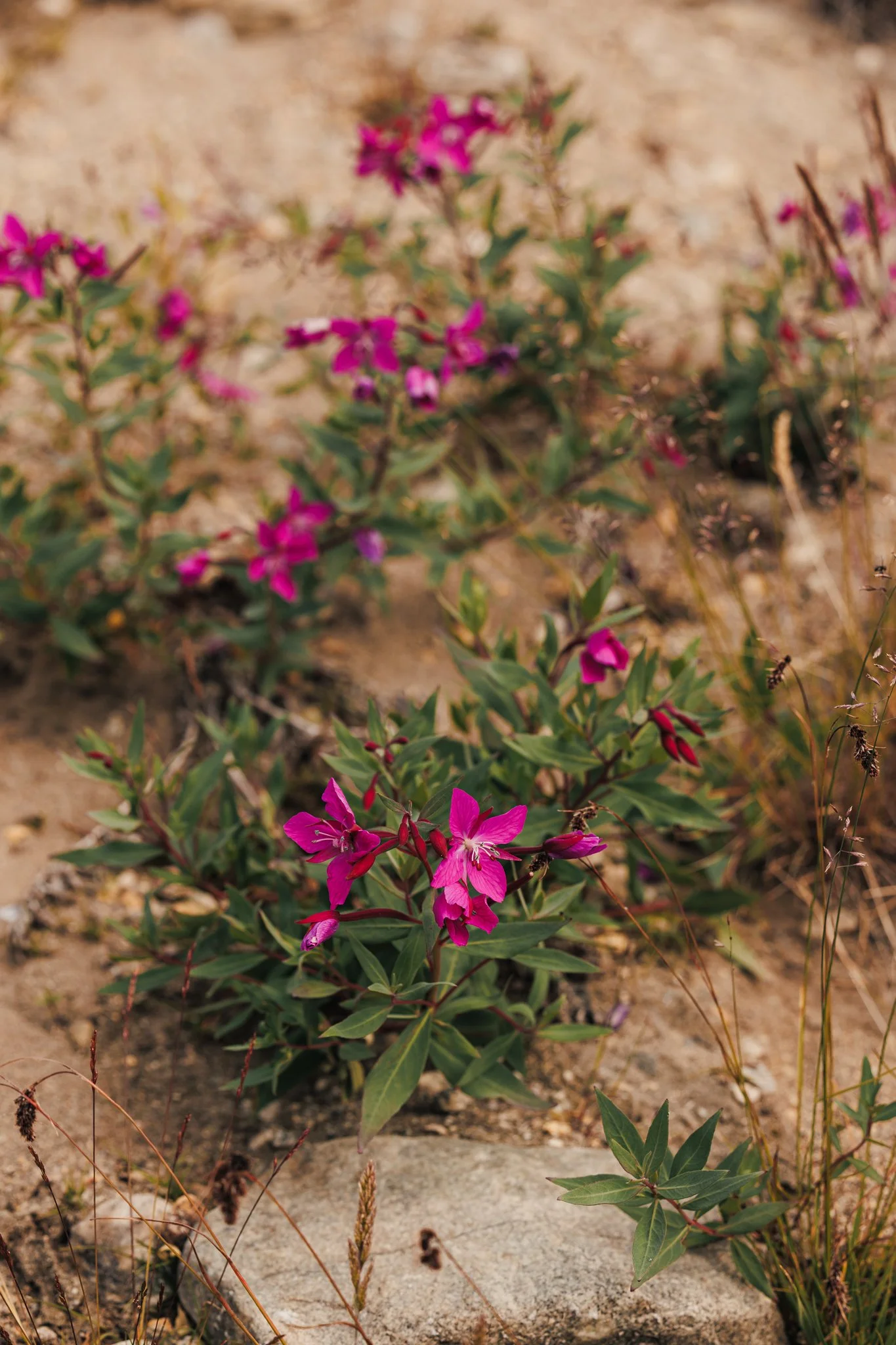
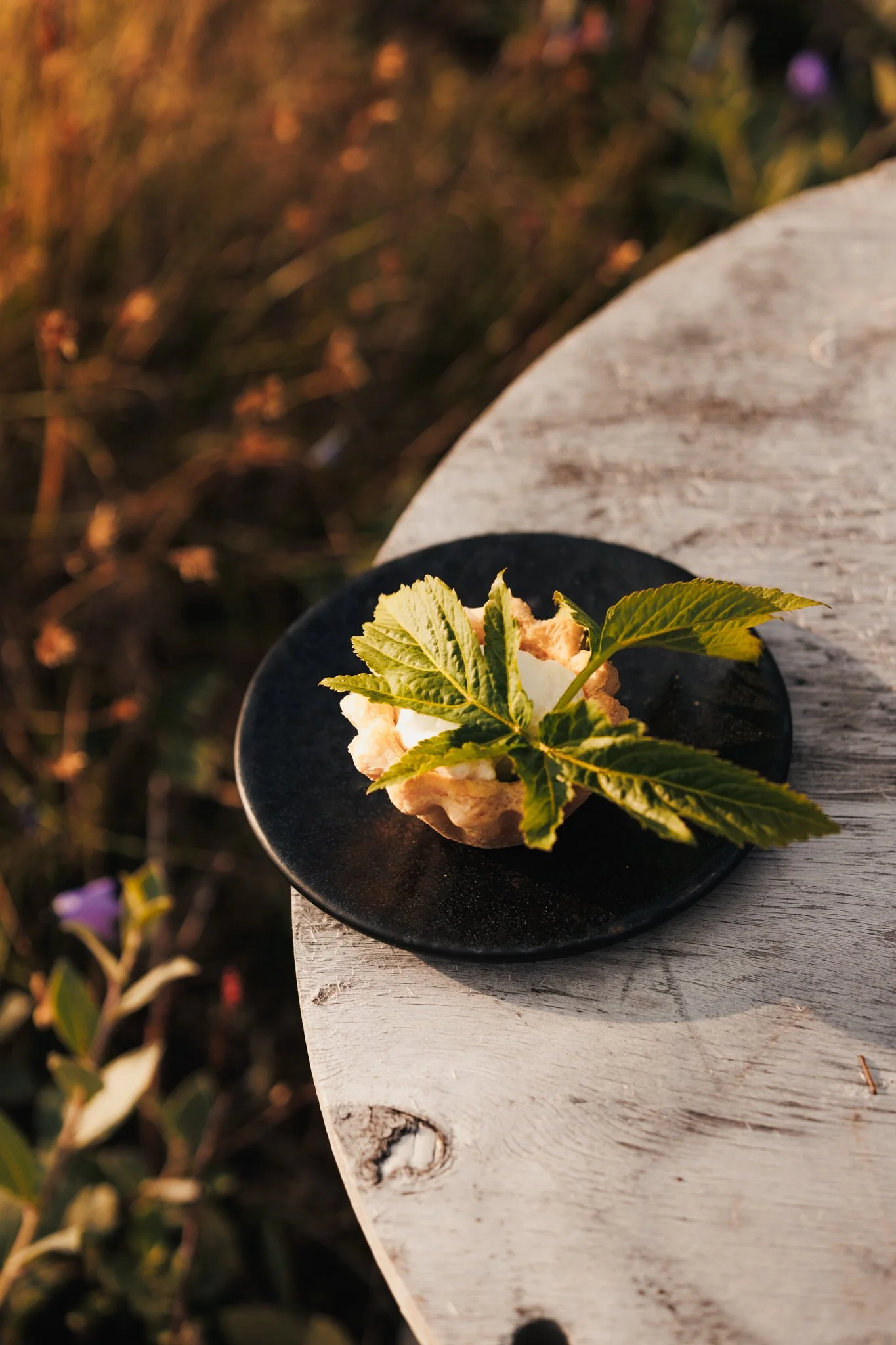
Some days, we eat wild. Jon, one-half of the camp’s Danish/Greenlandic founding couple, stands in a river beneath a waterfall-fed slope, catches a couple of fish, fillets them on the bank, then cooks the pieces on a hot stone beside the water, the meal arriving with a simplicity that feels almost surreal in a place this grand. Another evening, our chef spoons a deep purple sauce of the blueberries we foraged that morning over seared reindeer, garnished with the bright pink blossoms growing outside her kitchen. We leave the candlelit meal tent, and take it outside to dine overlooking the sea.
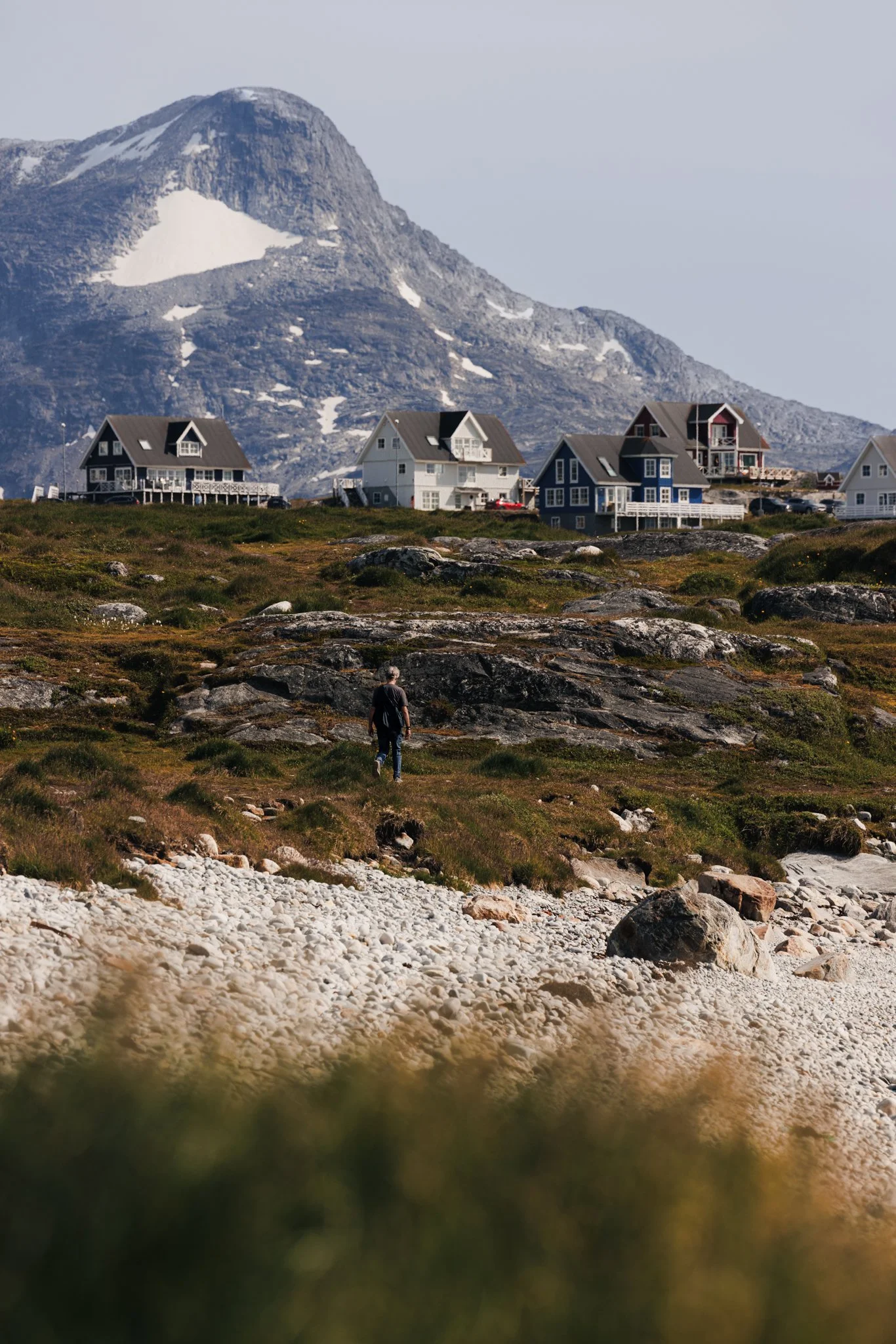
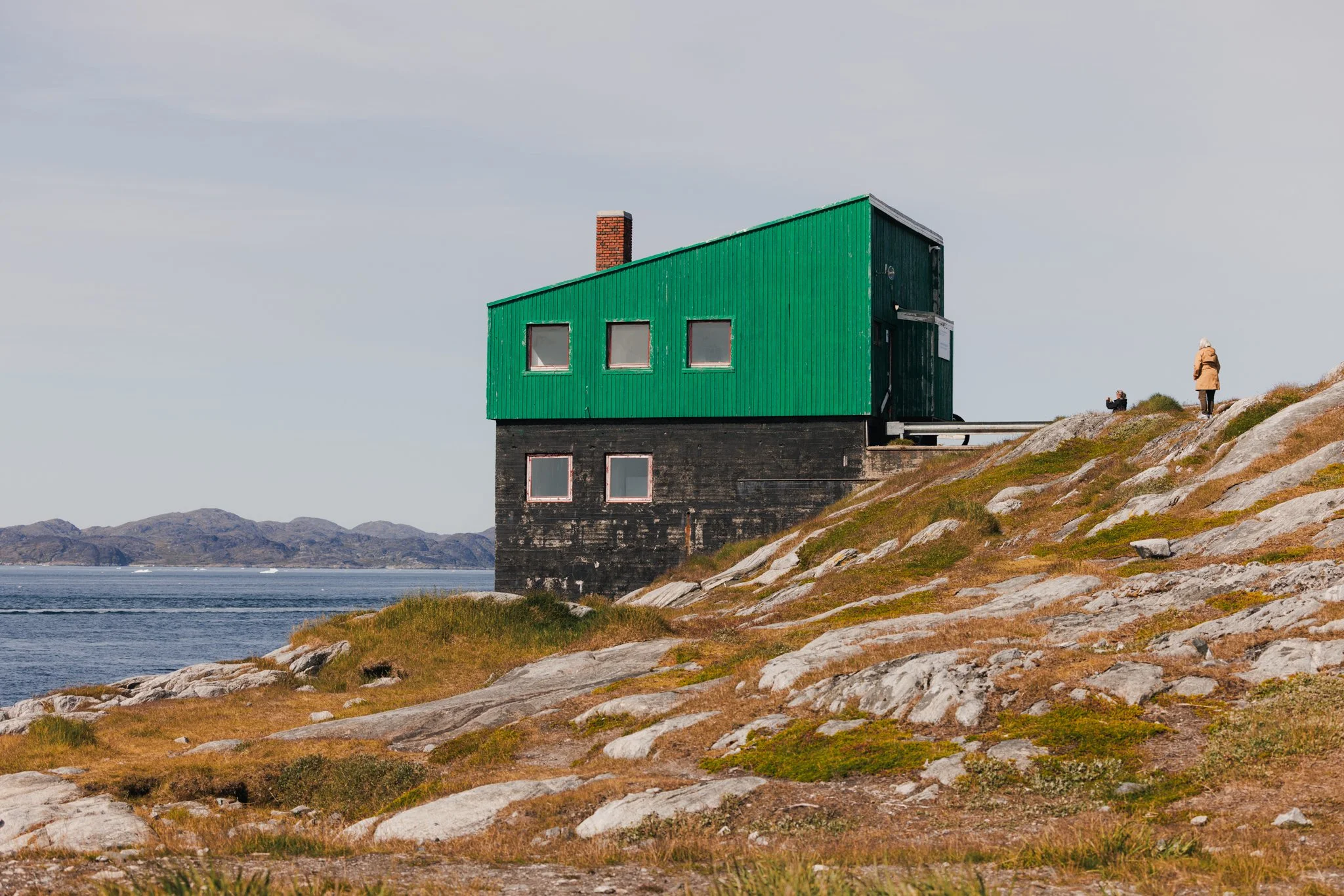
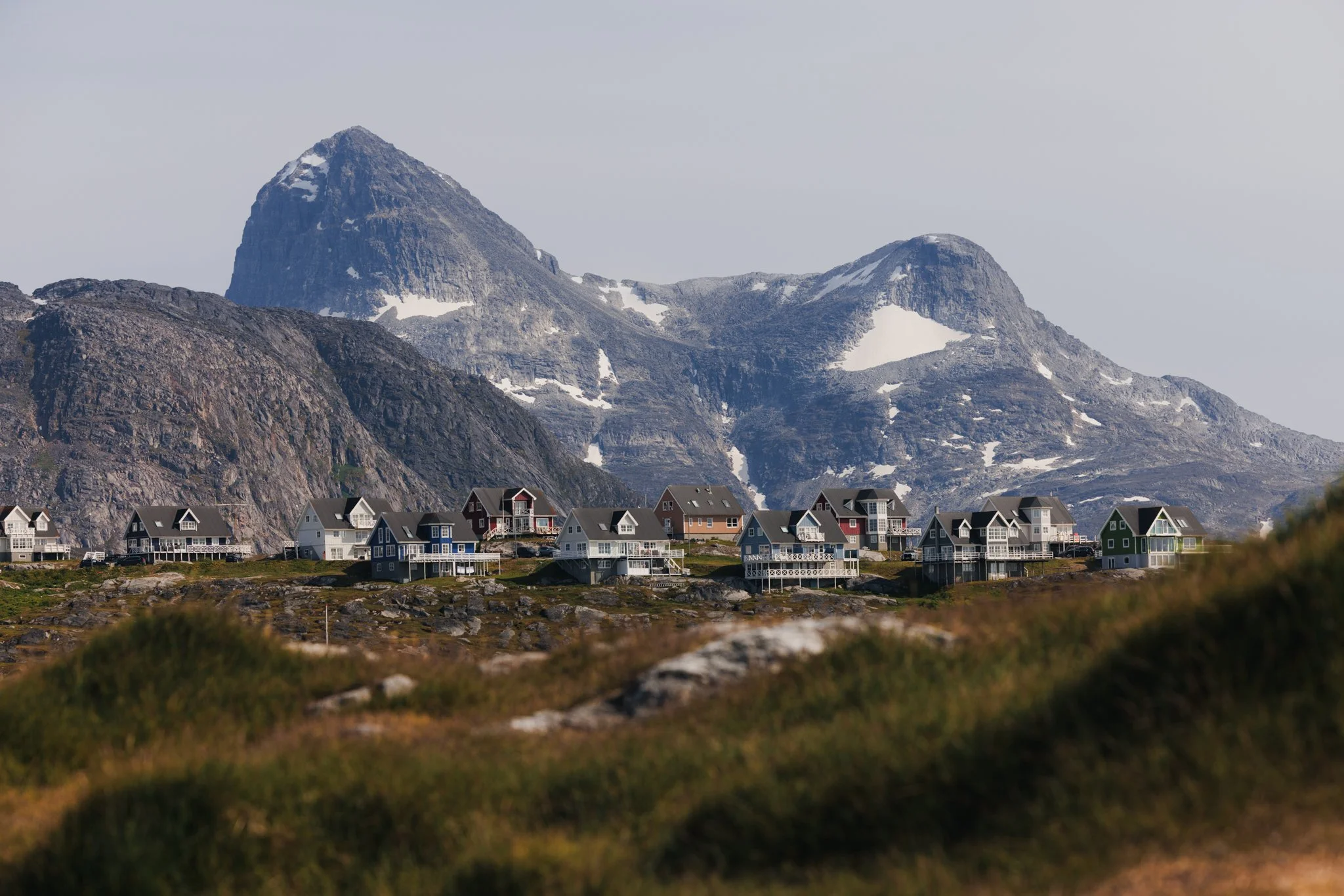
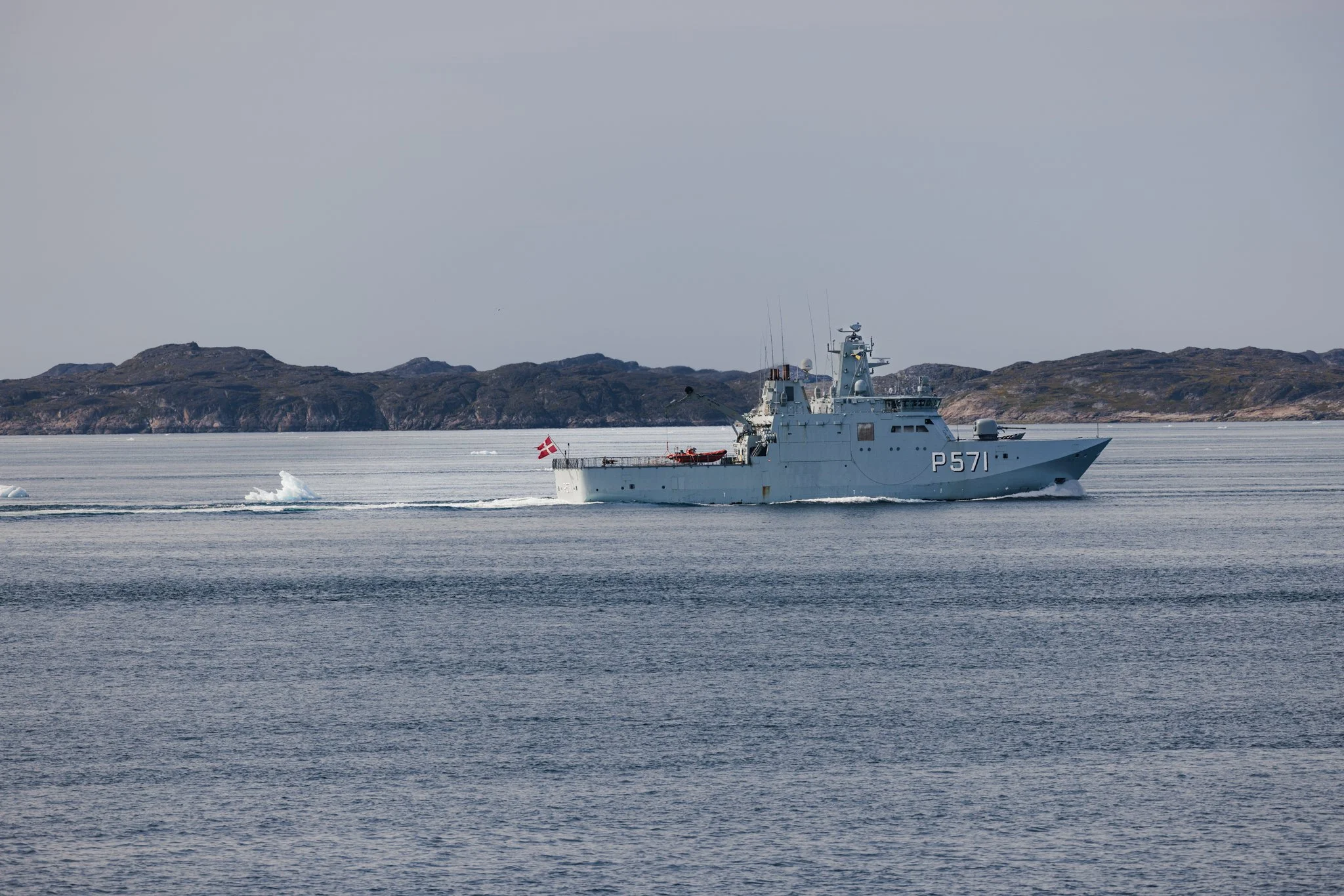
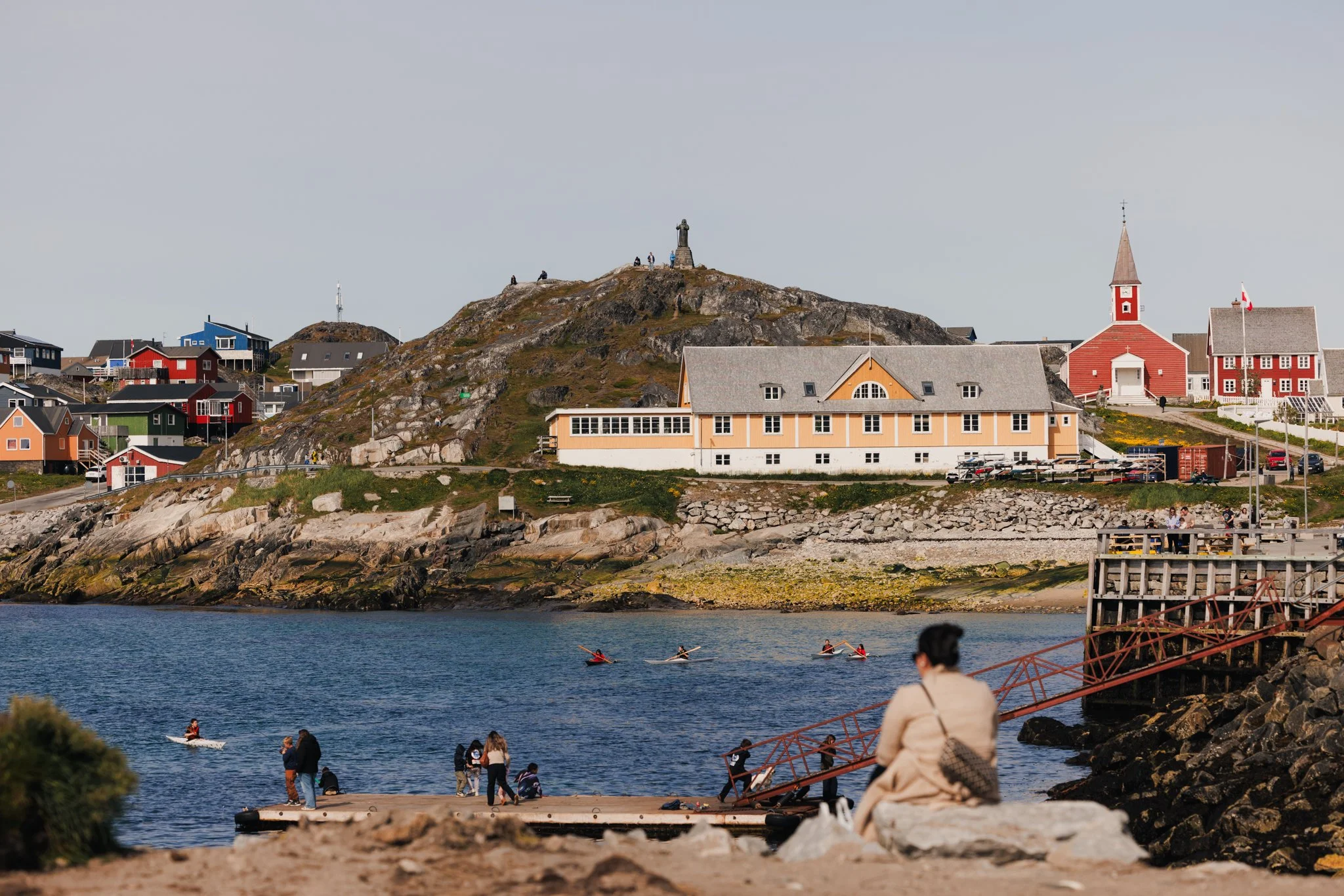
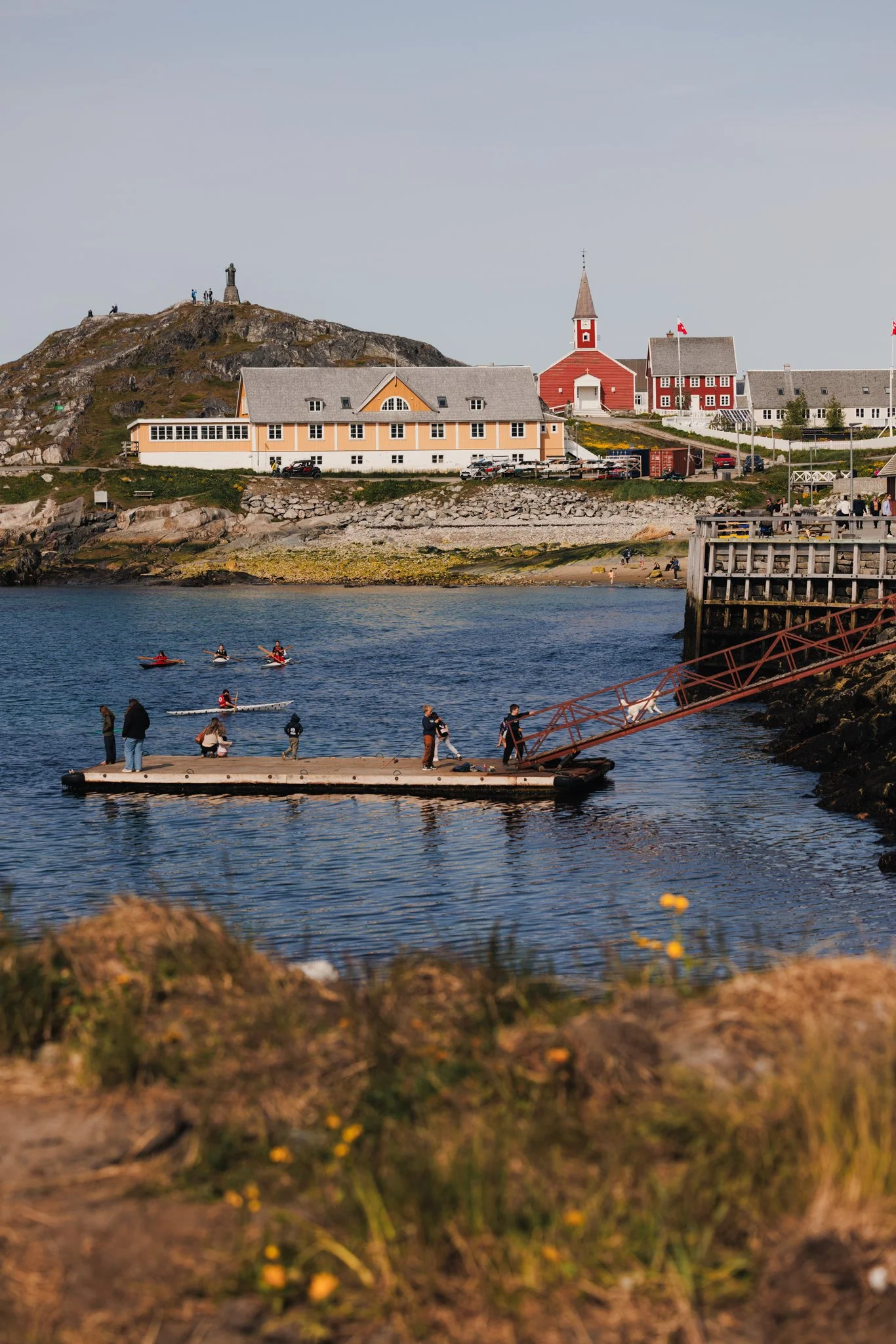
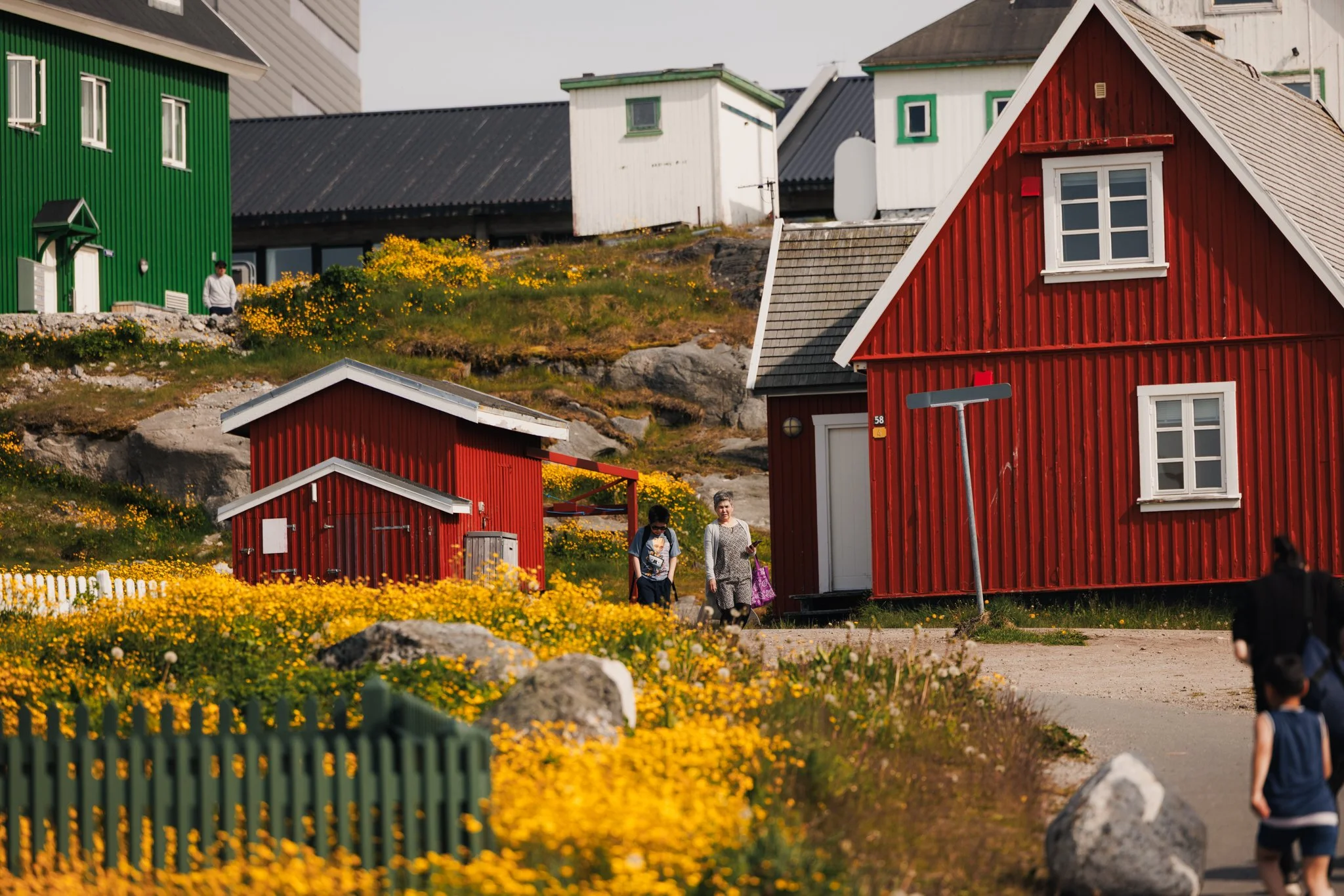
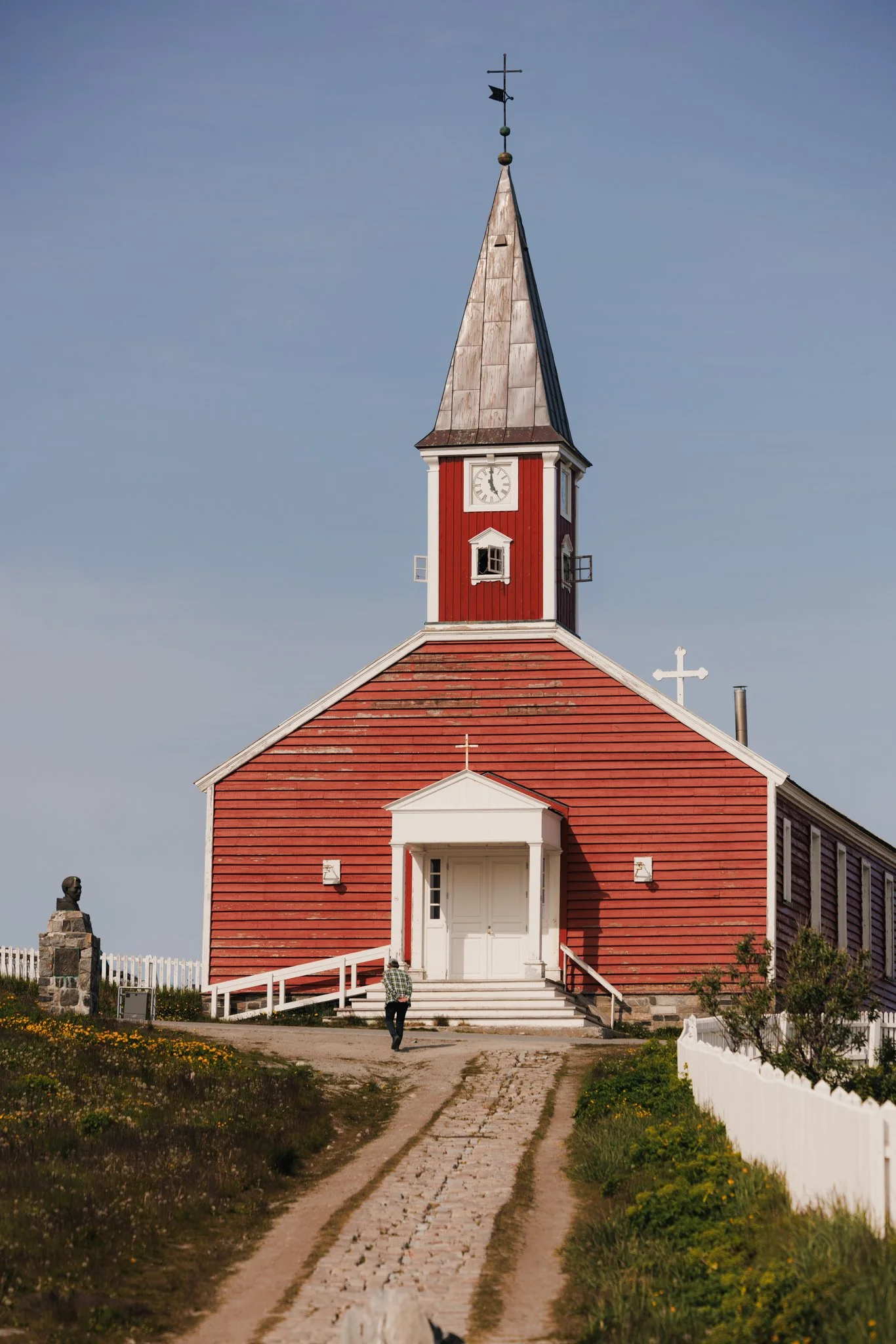
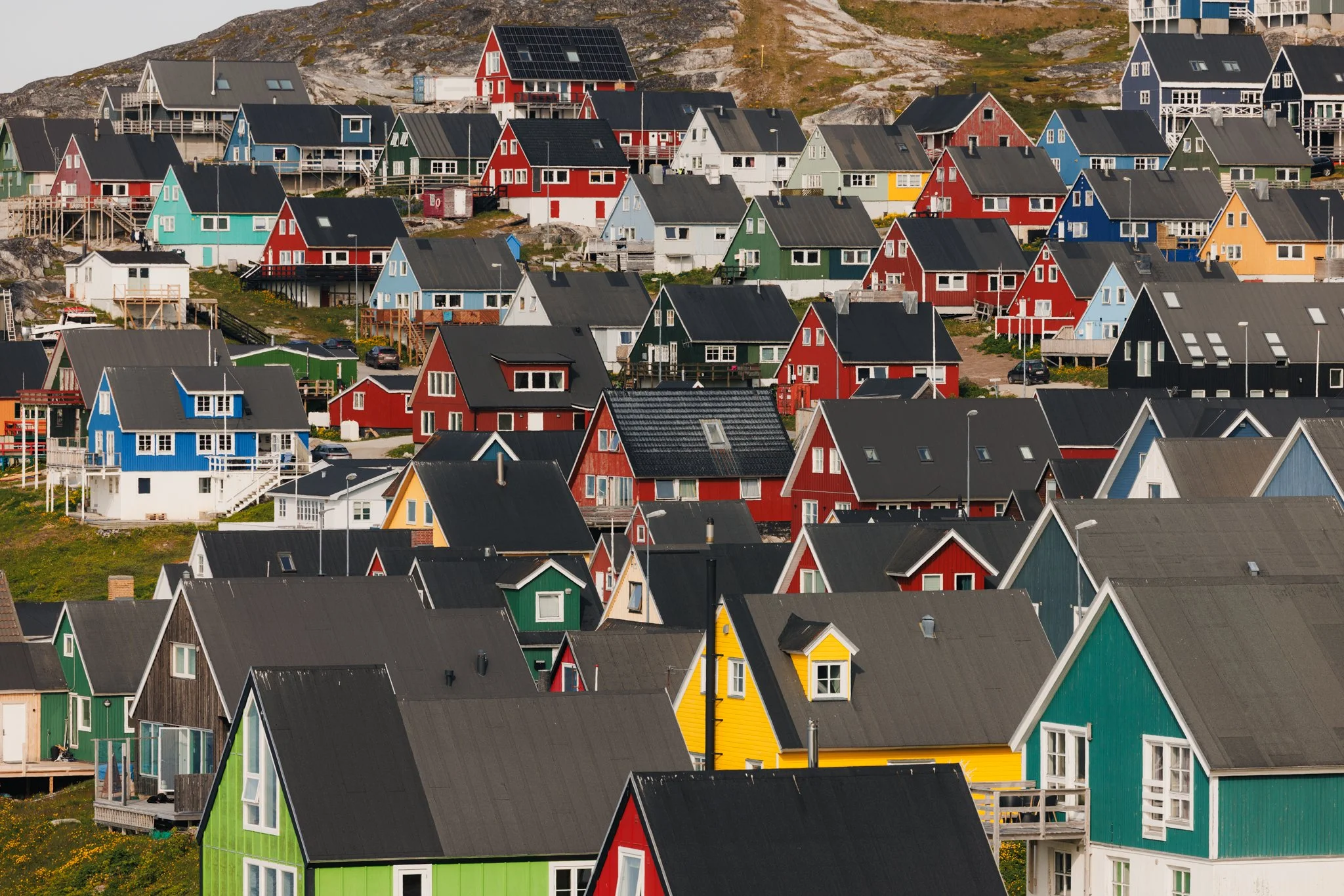
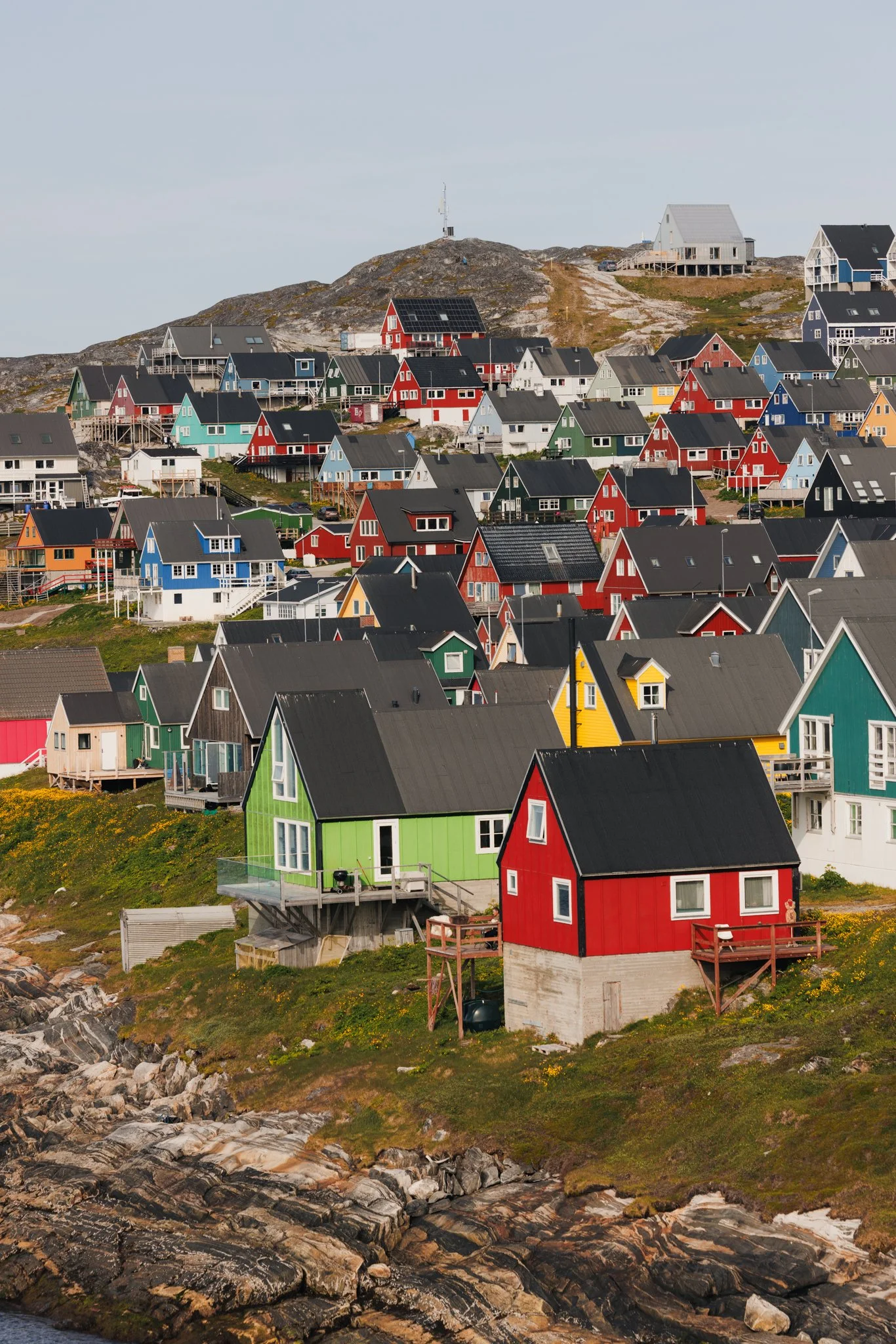
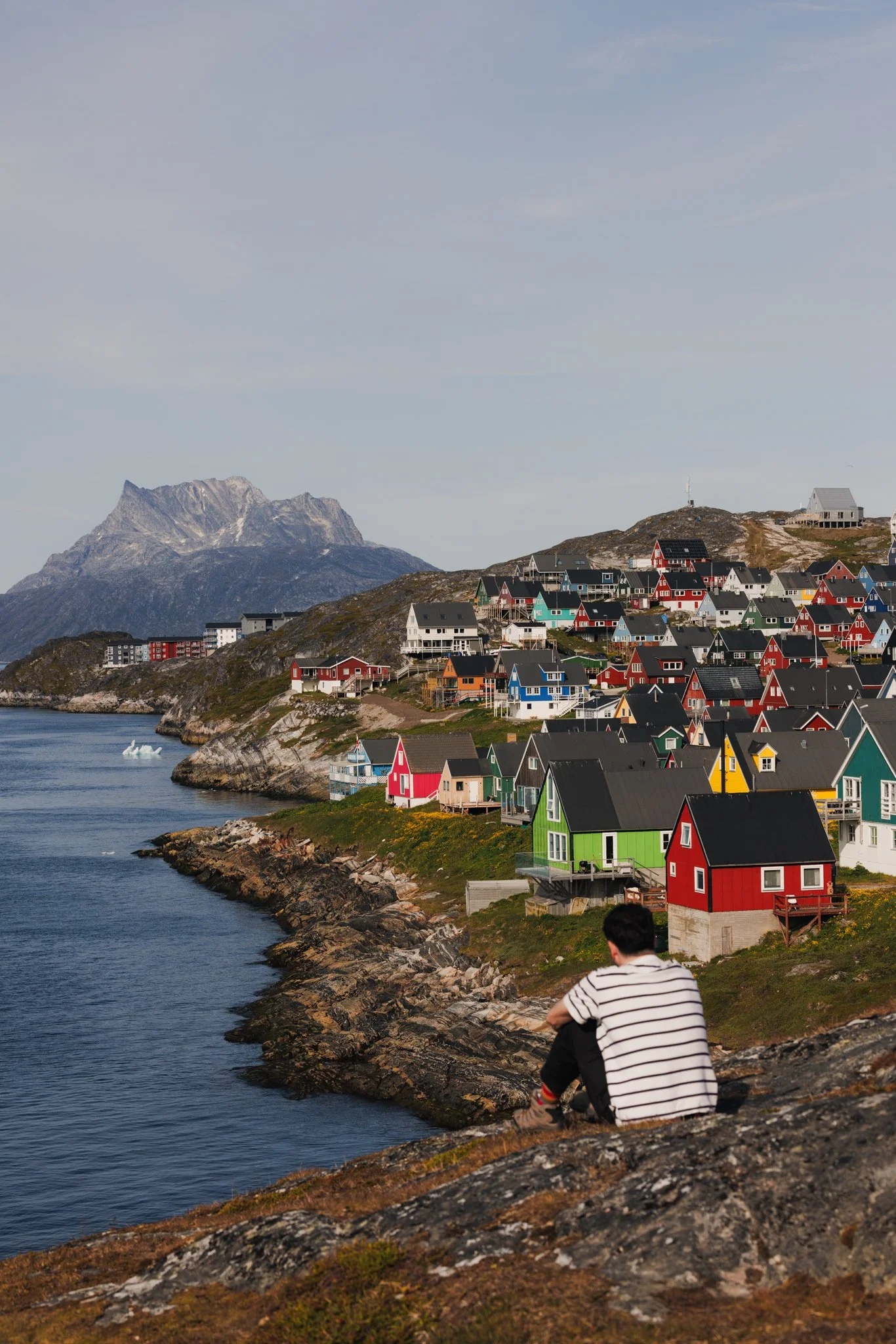
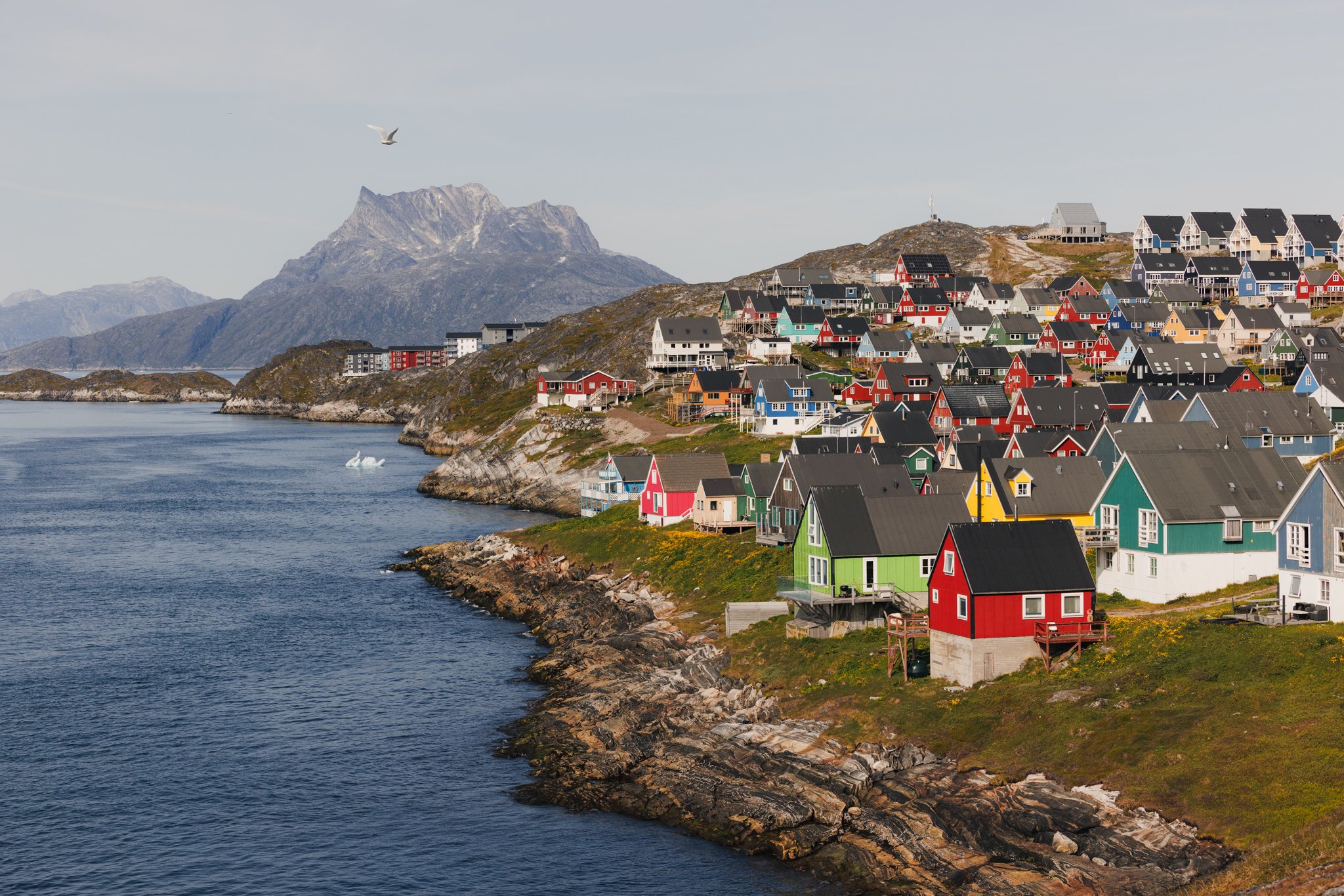
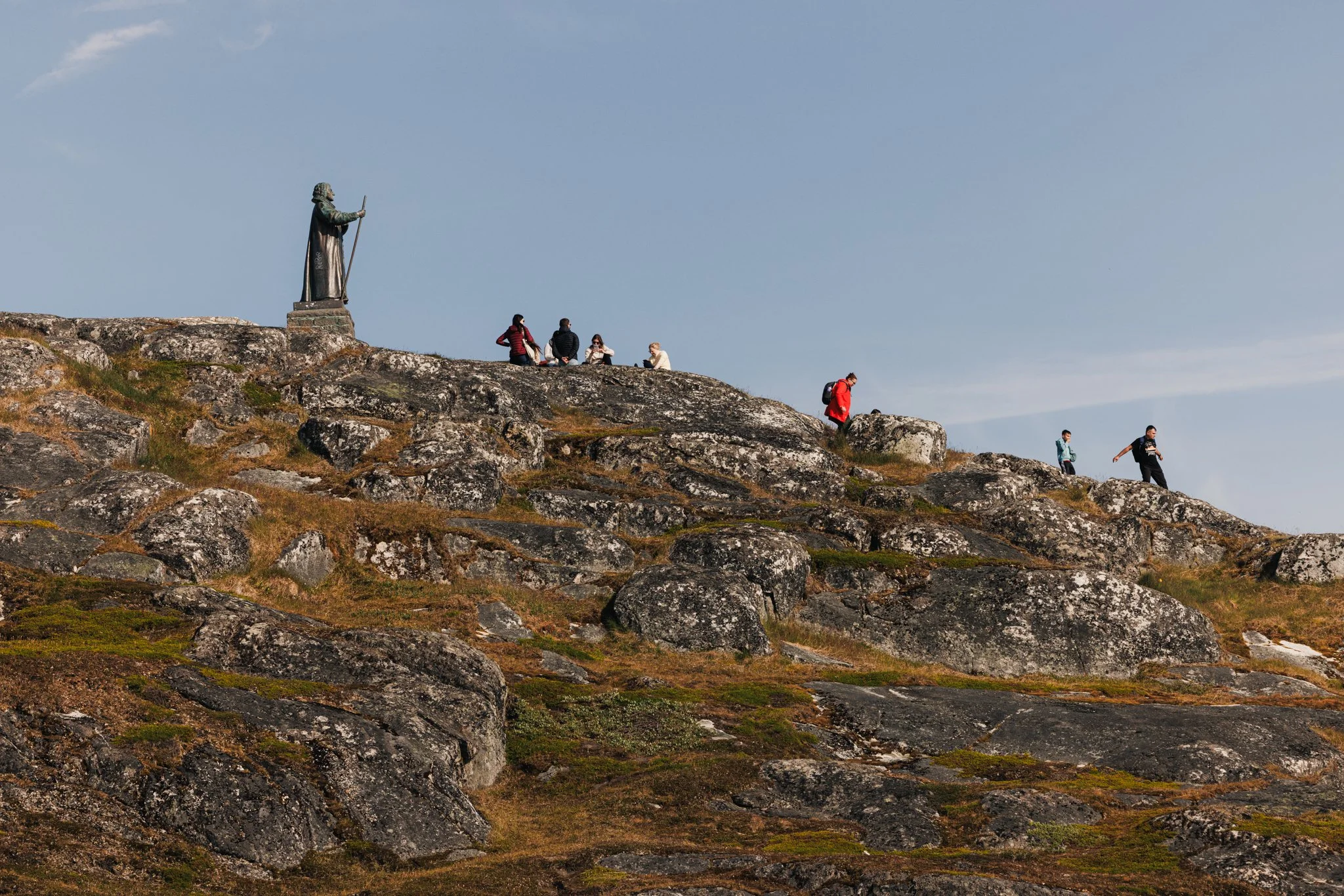
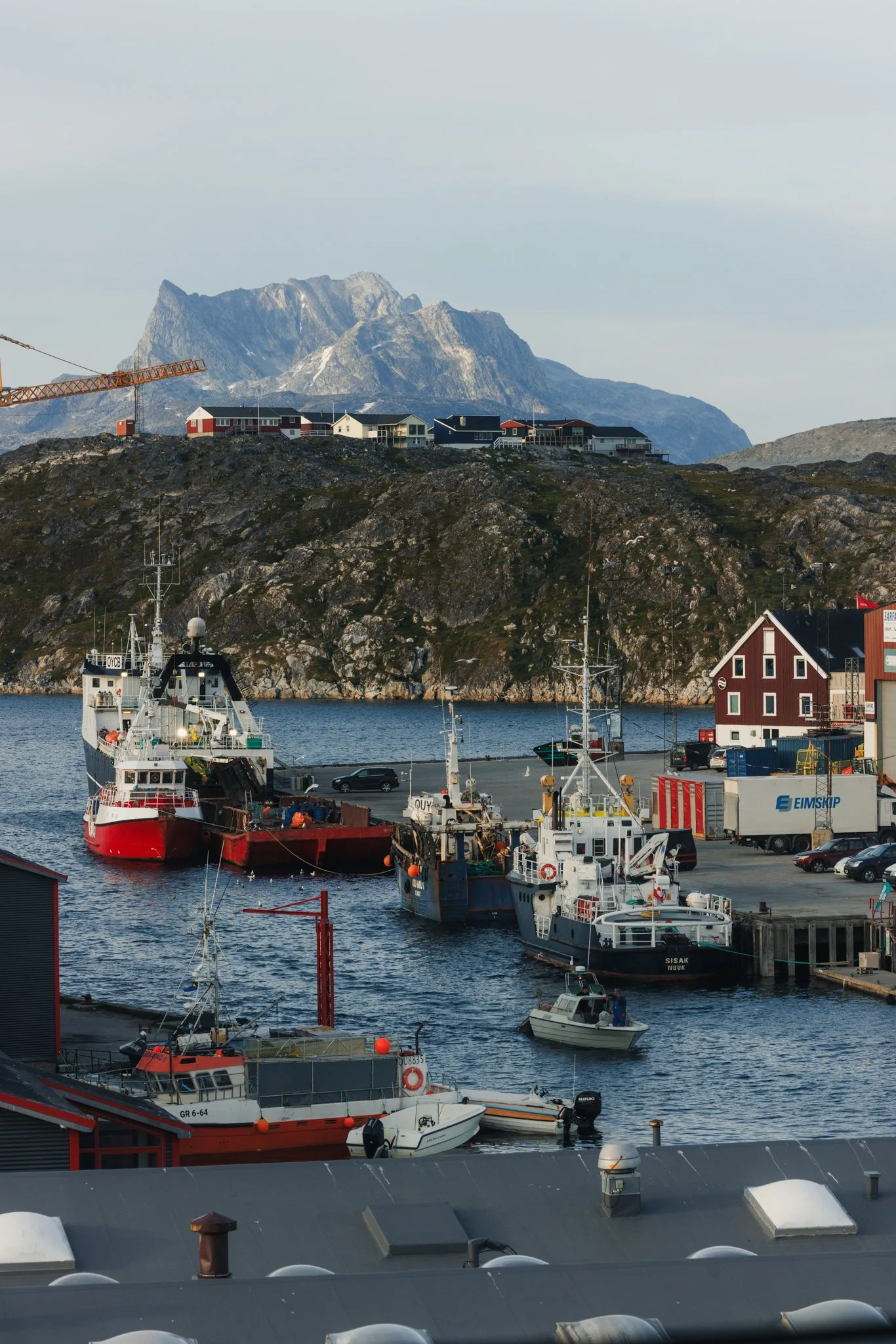
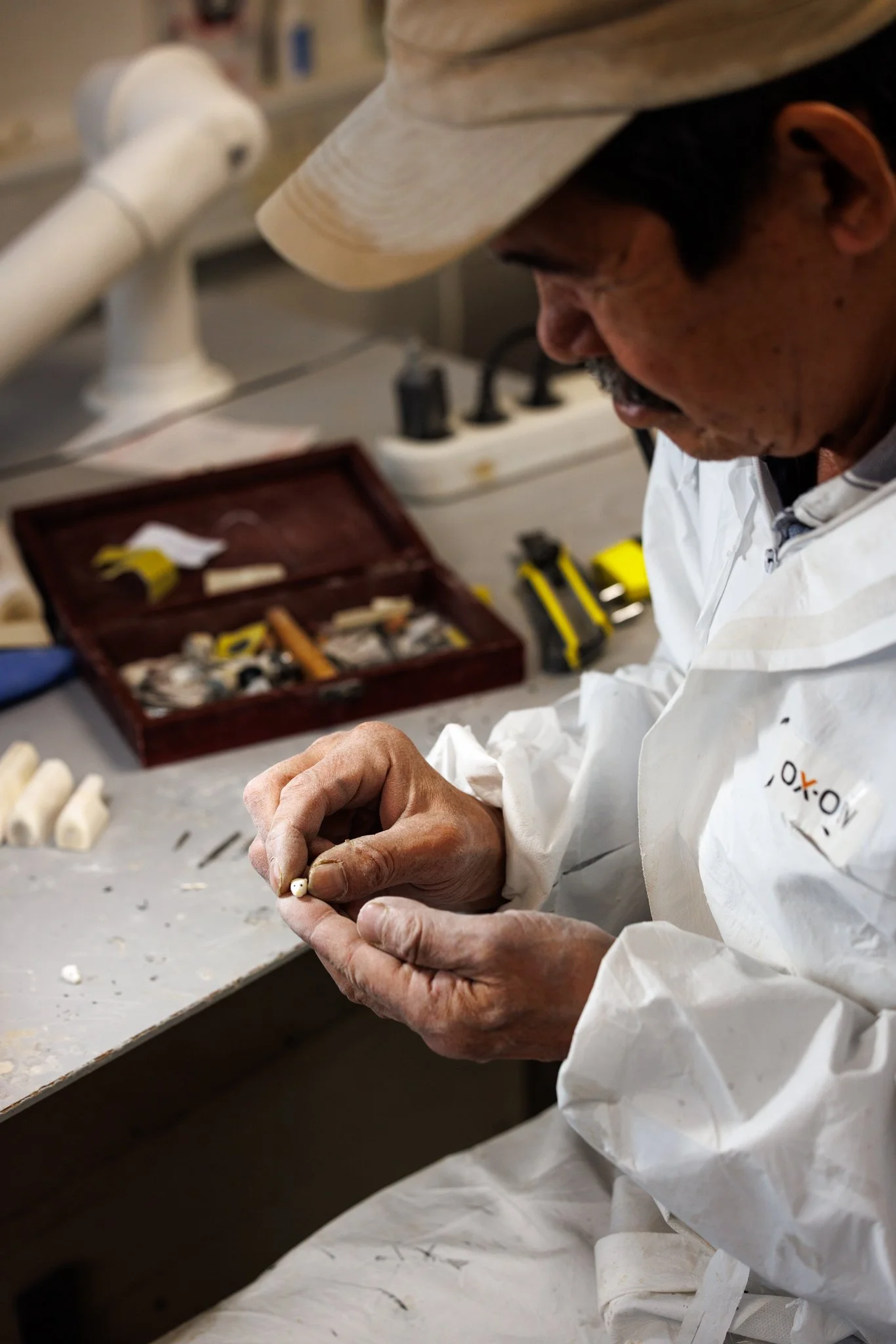
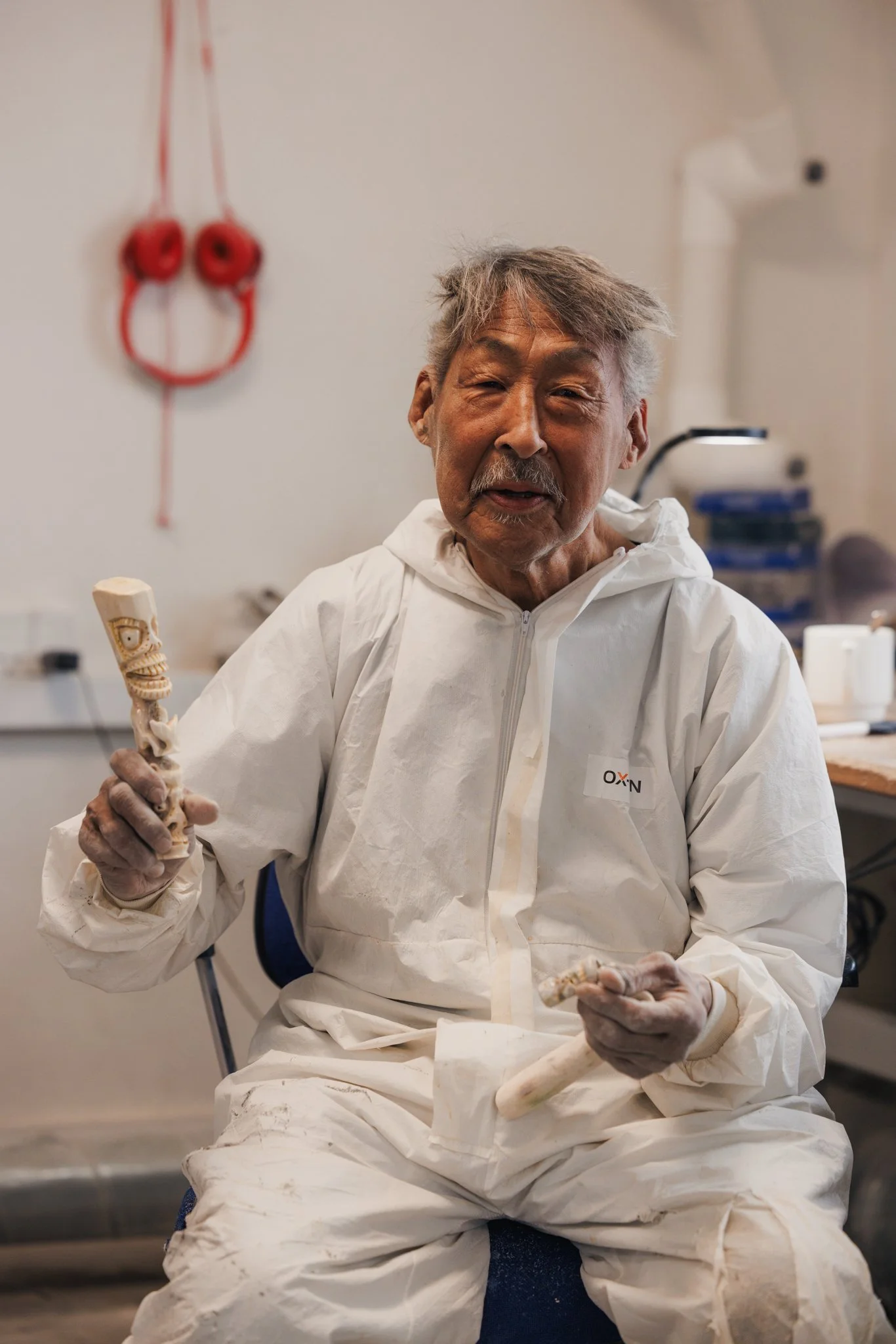
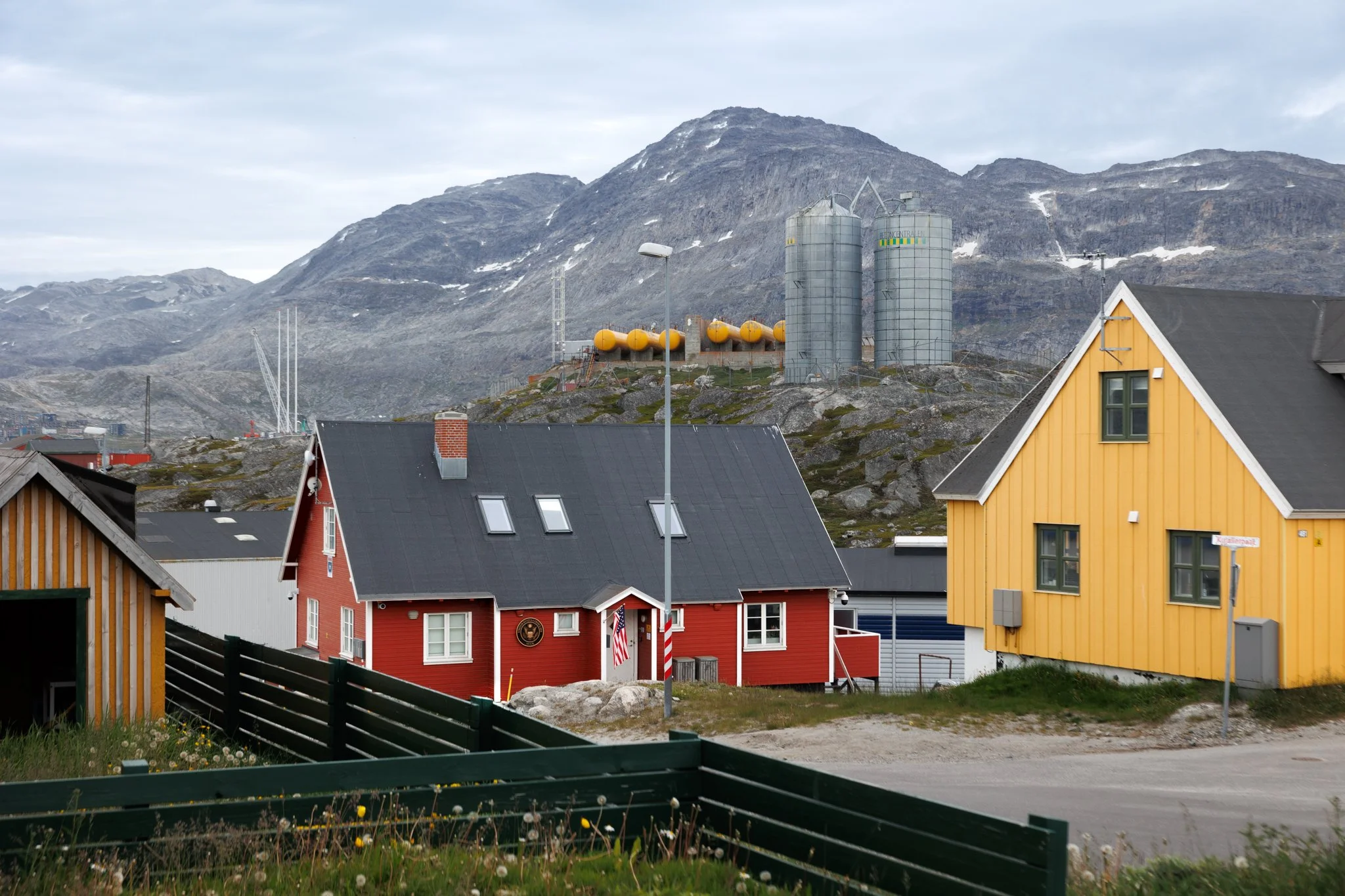
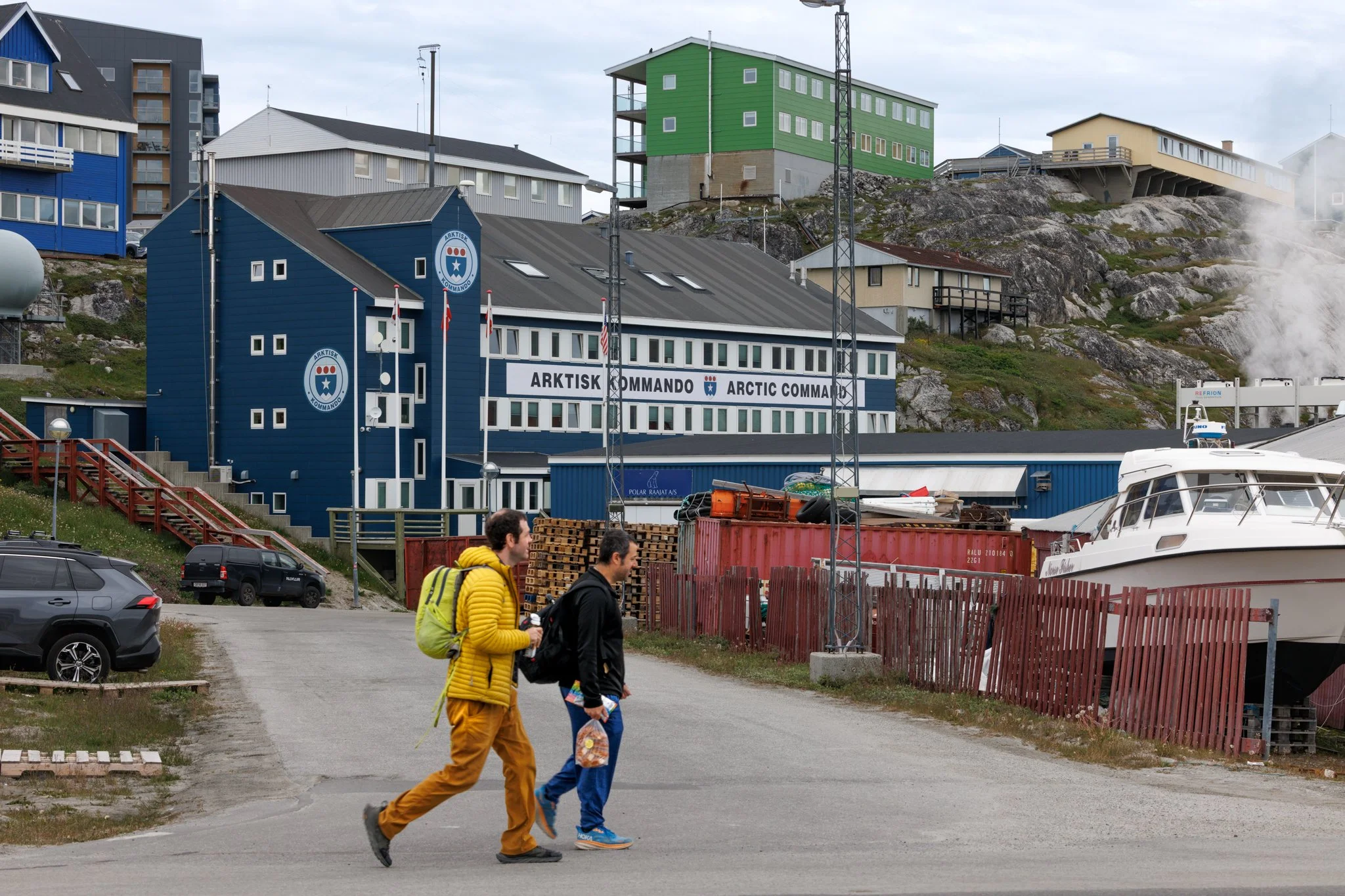
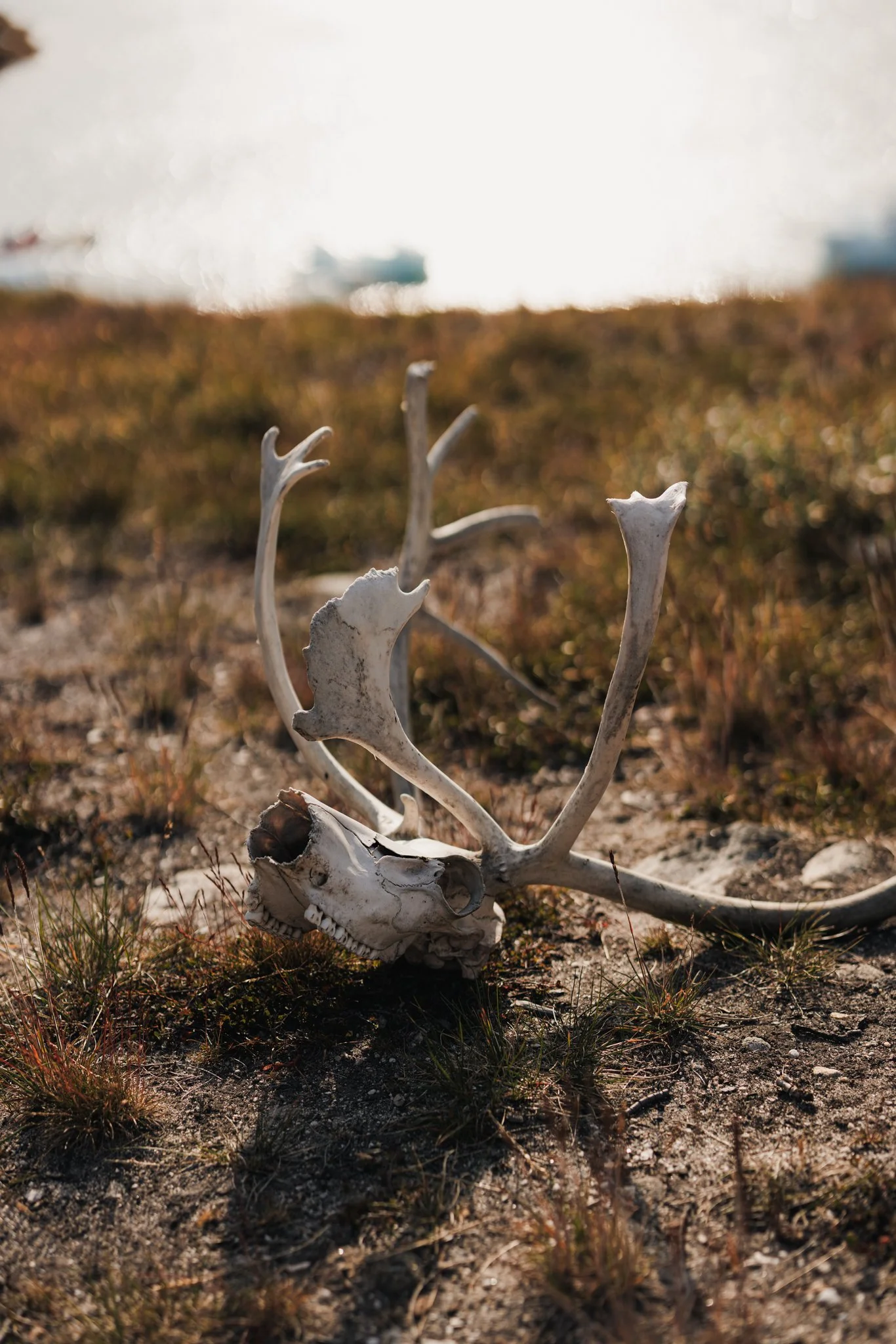
It is a city doing the ordinary work of being lived in, with a dramatic view that never quite becomes background. Snow-streaked hills rise behind neighbourhoods of rainbow-hued houses. A church stands bright against rock and sky. Kayakers slide past a harbour that holds everything from working boats to a Danish patrol ship, reminders that the water here is not merely scenic. There is an artist’s workshop where bone is carved into small, patient forms, the kind of object you could hold in your hand and still feel the weight of the animal and the landscape it came from. The port is busy in a practical way. And the consulate still sits there, red and small, waiting, like a pin pressed into a map that everyone keeps unfolding.
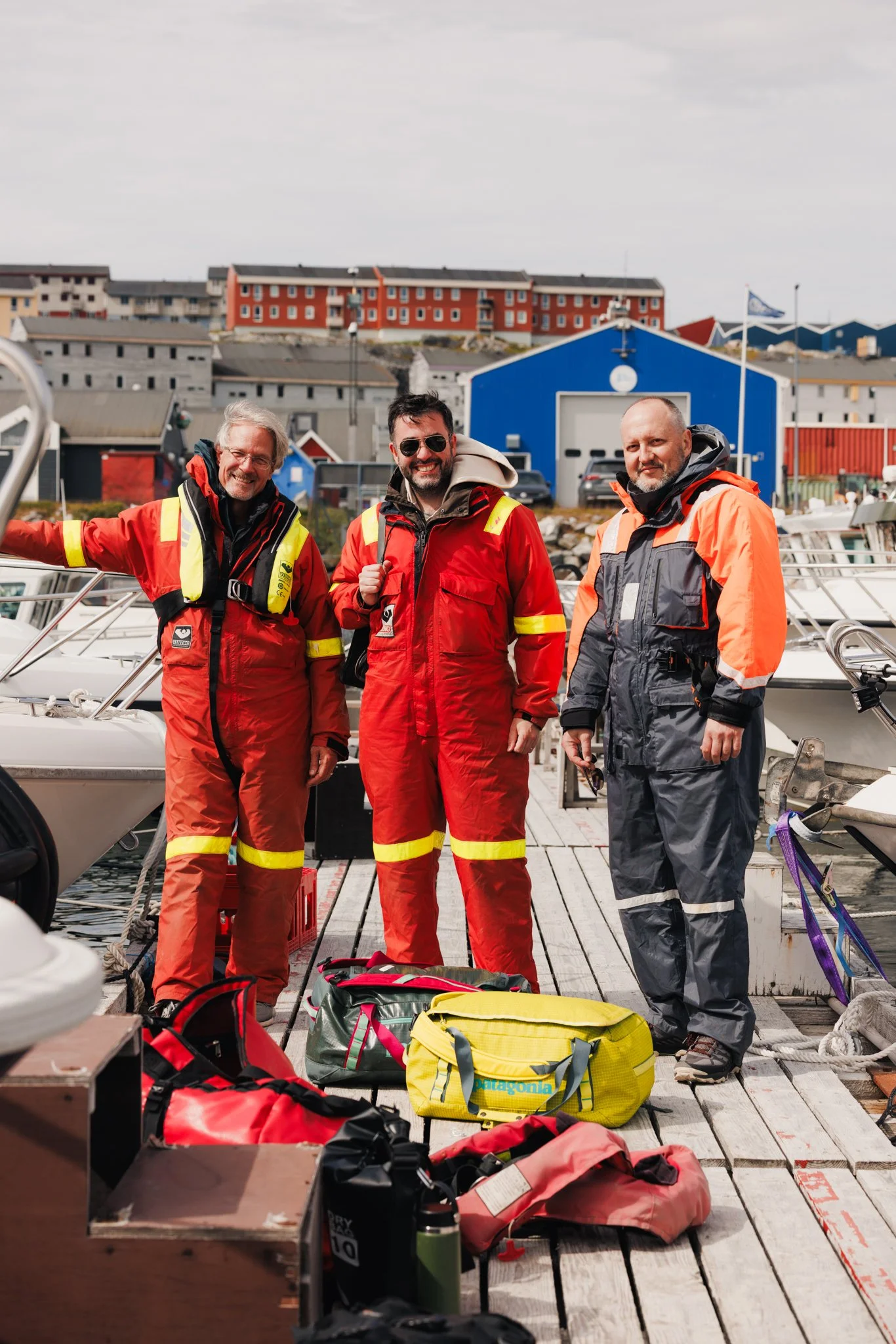
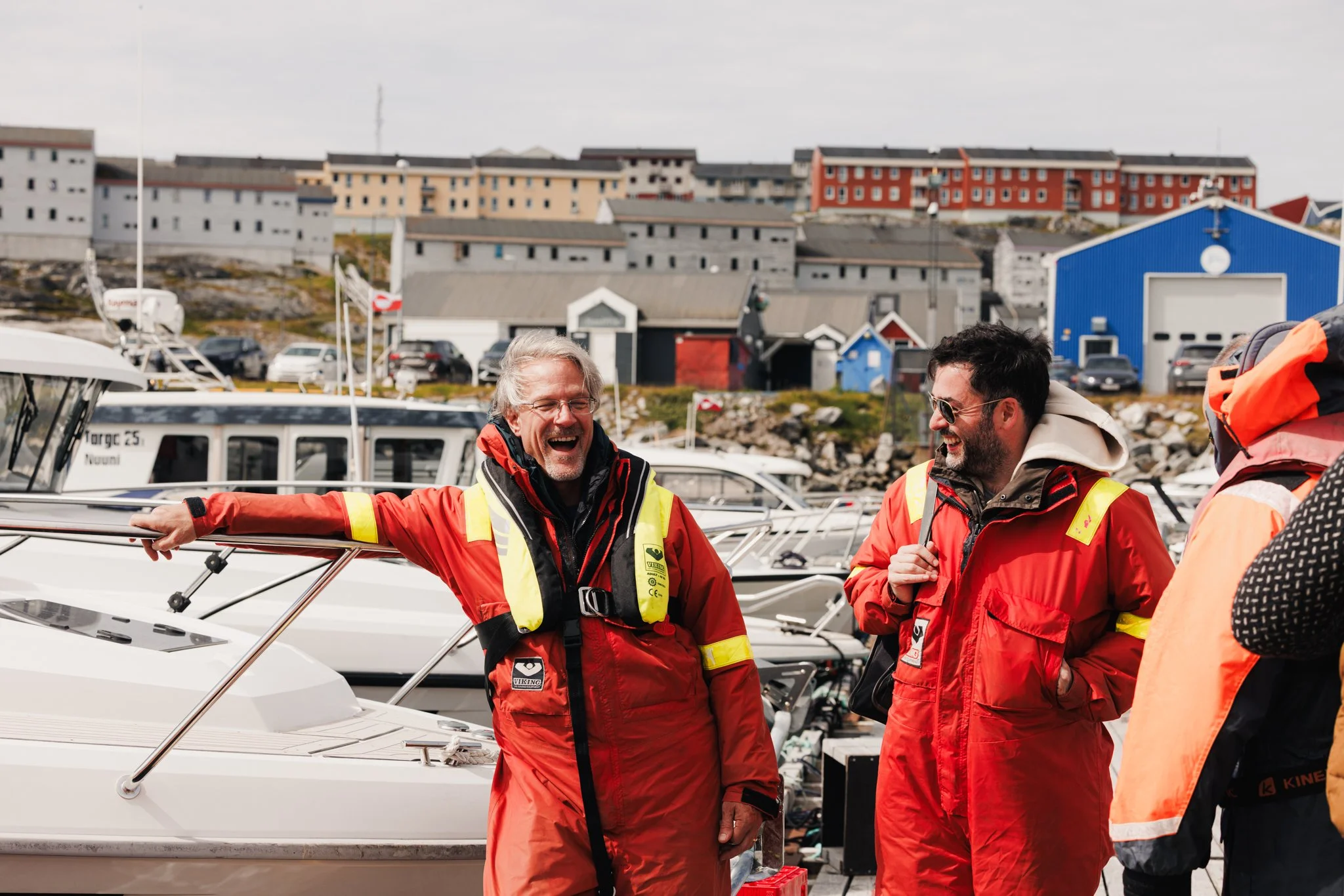
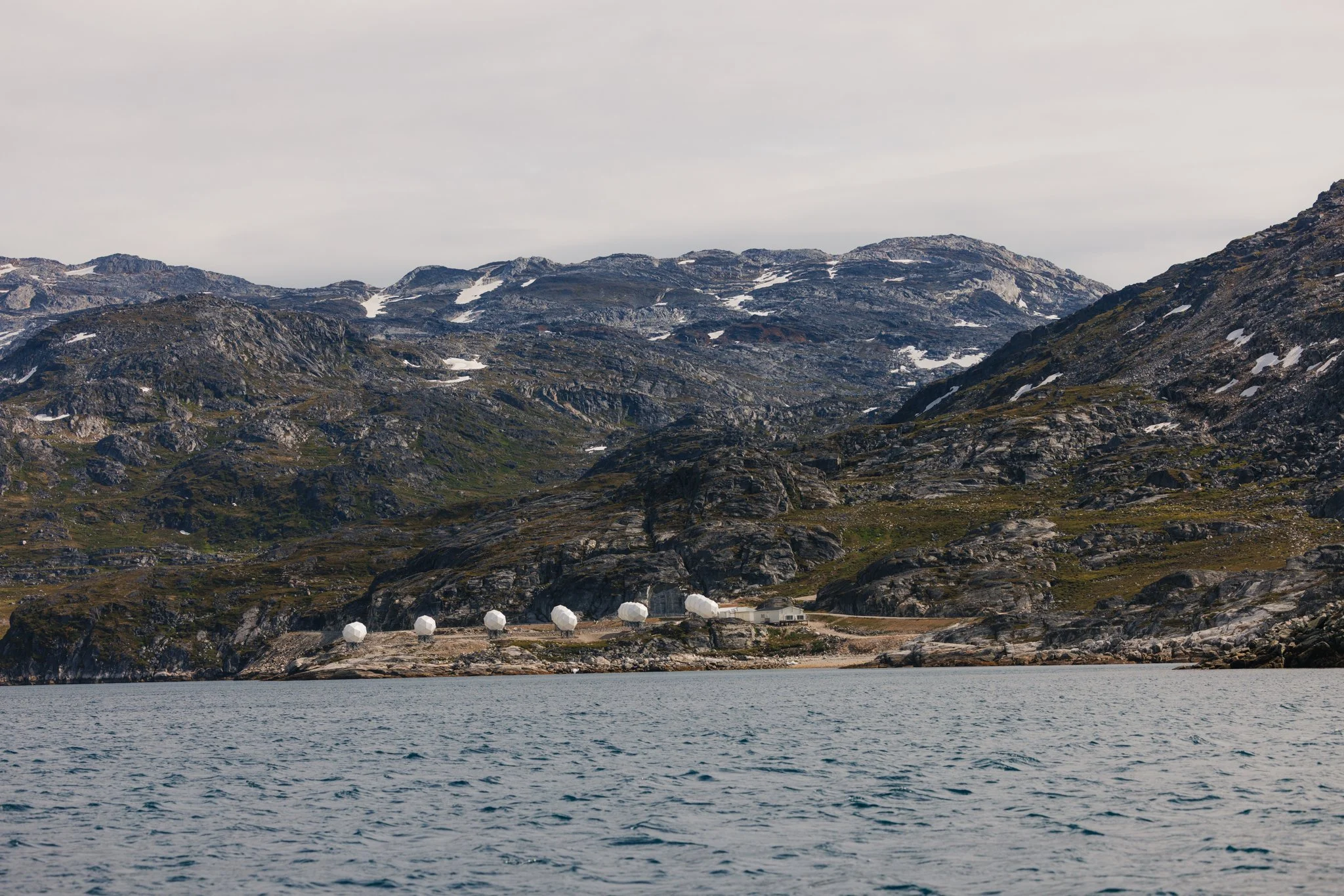
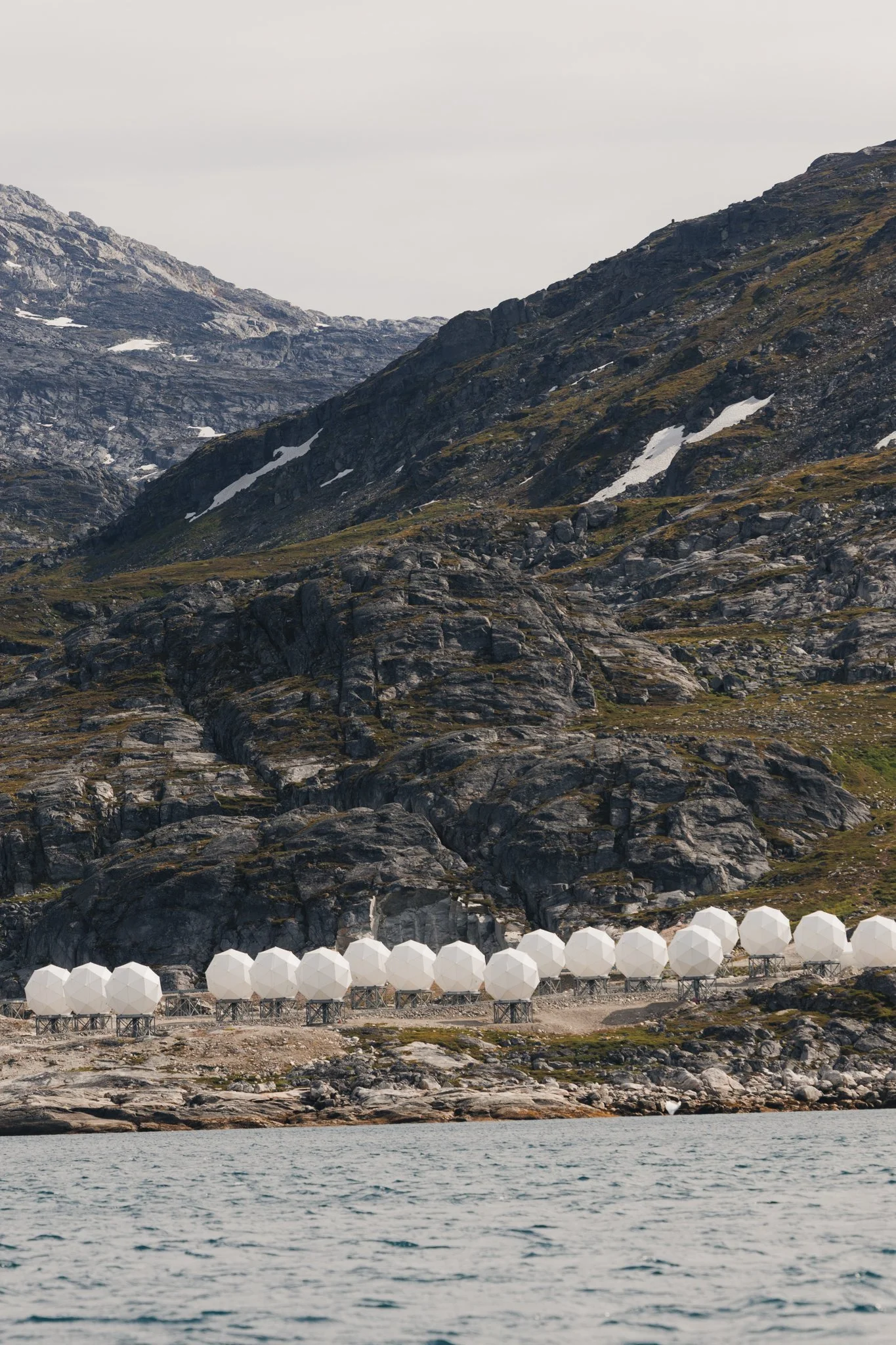
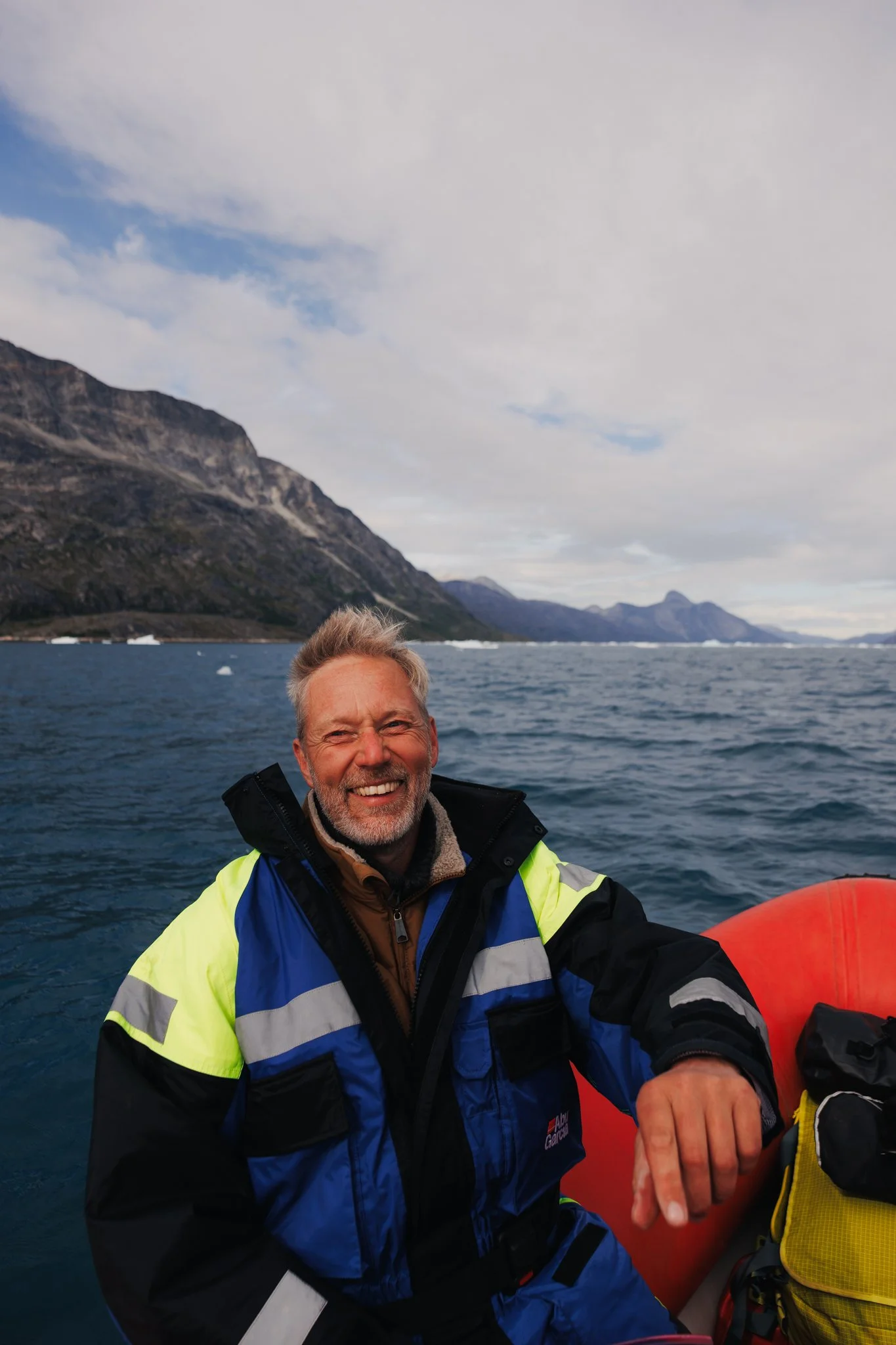
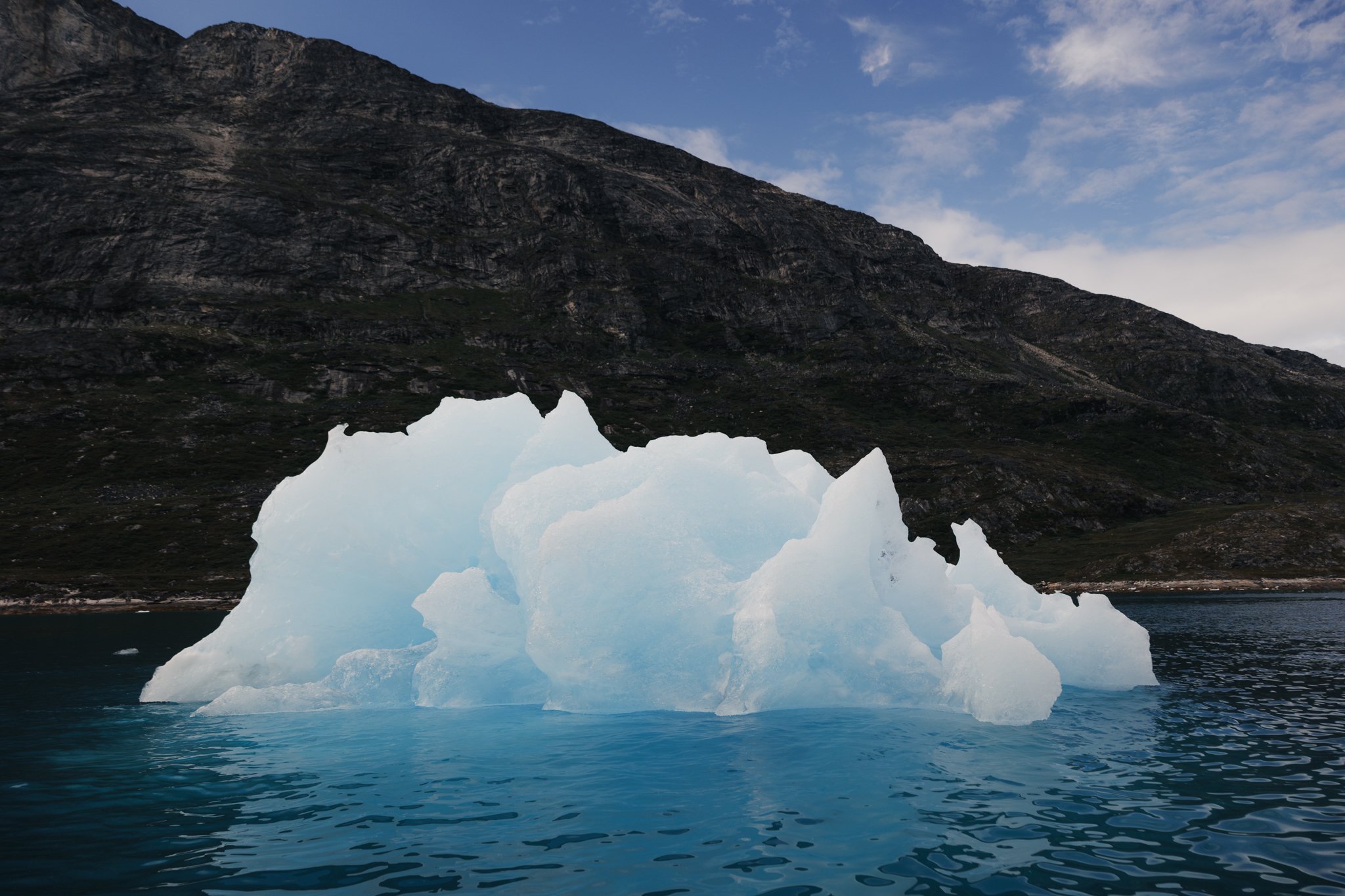
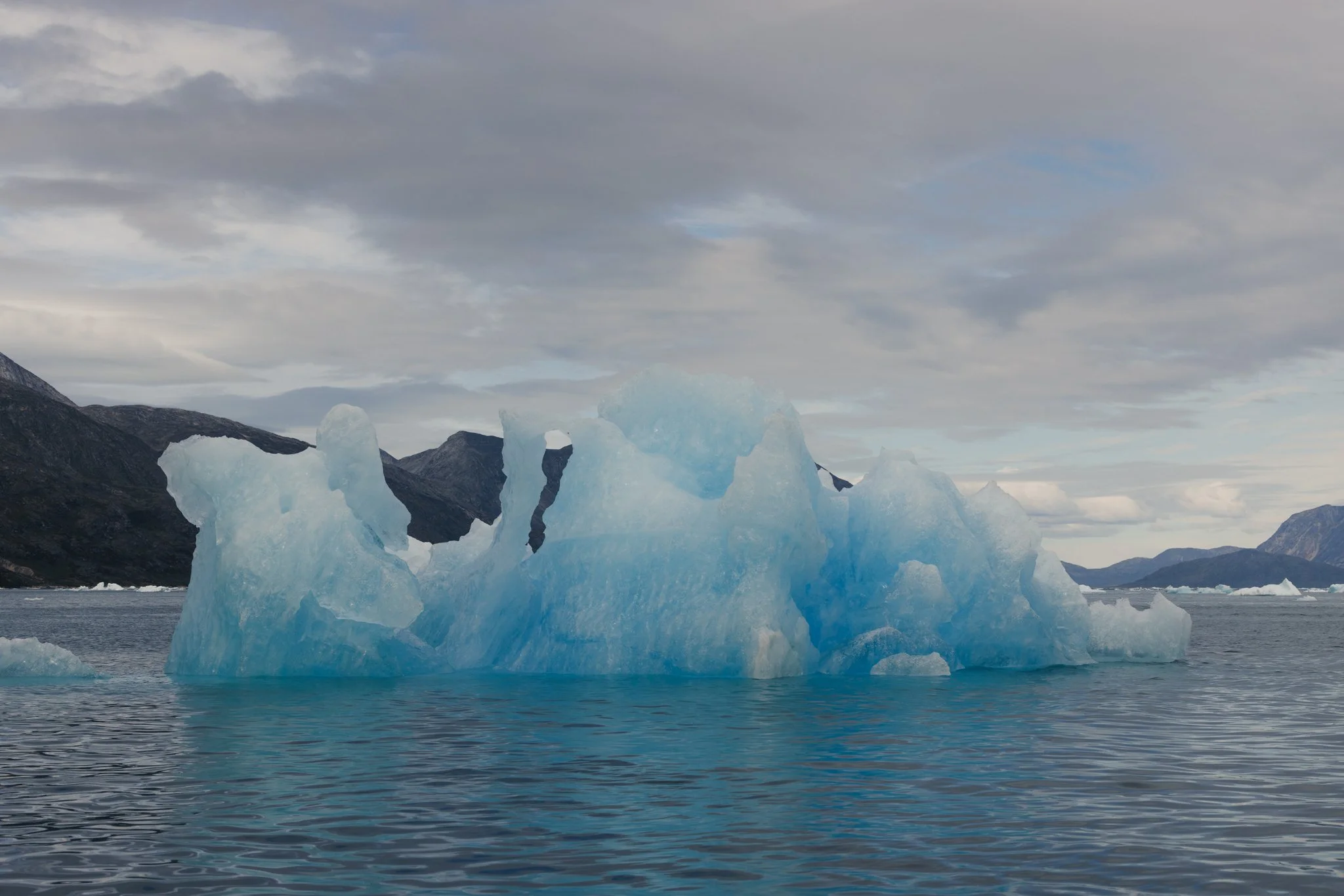
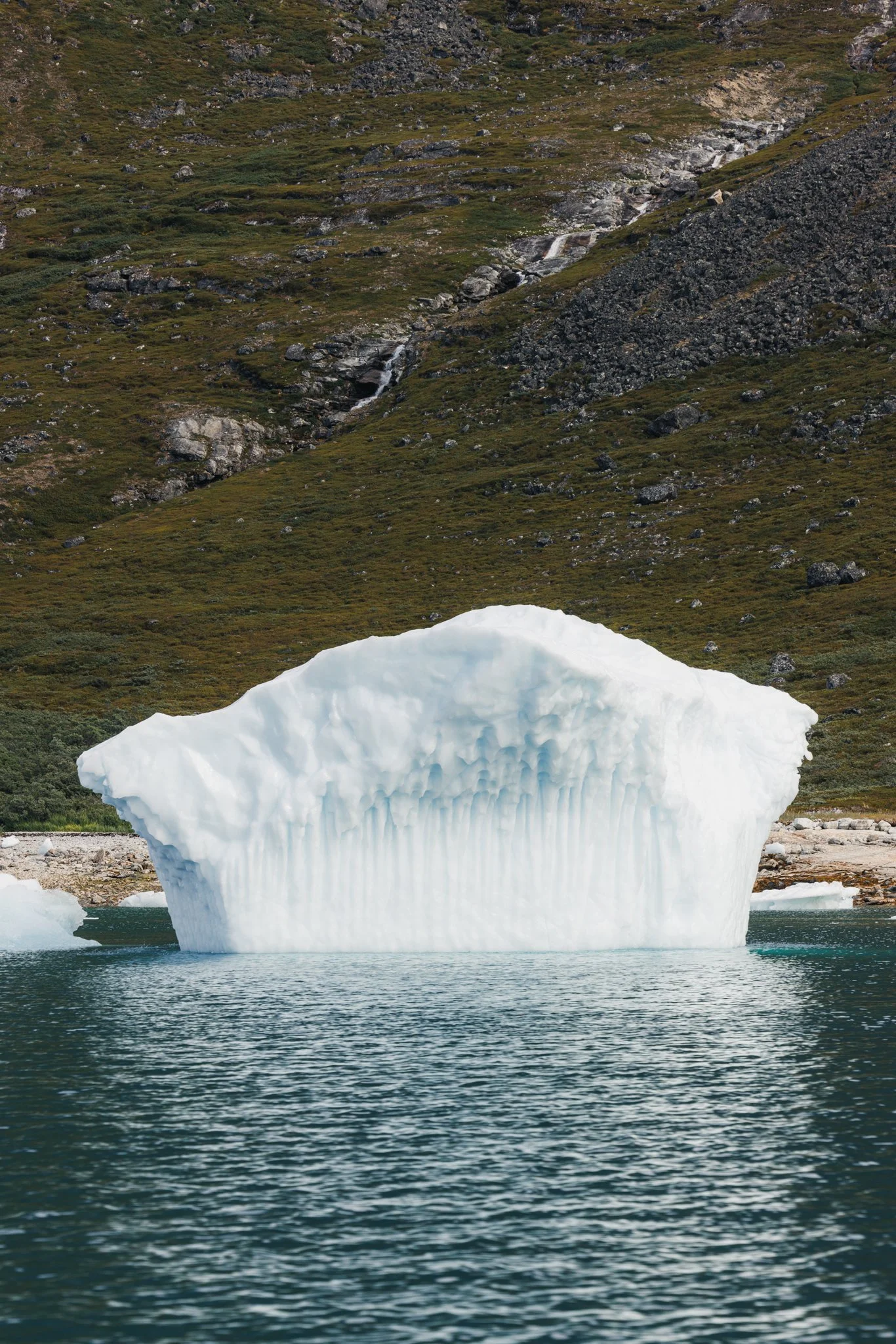
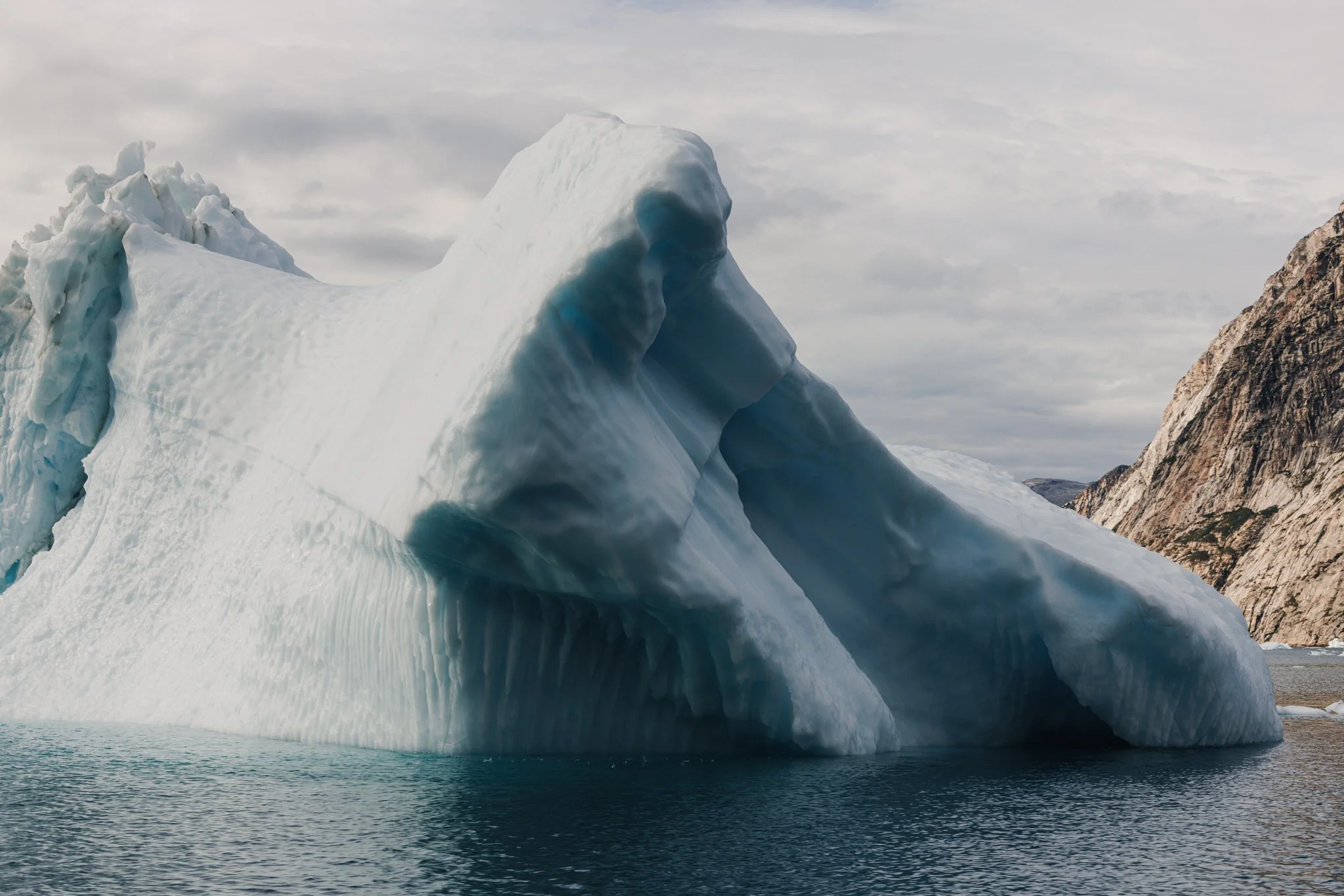
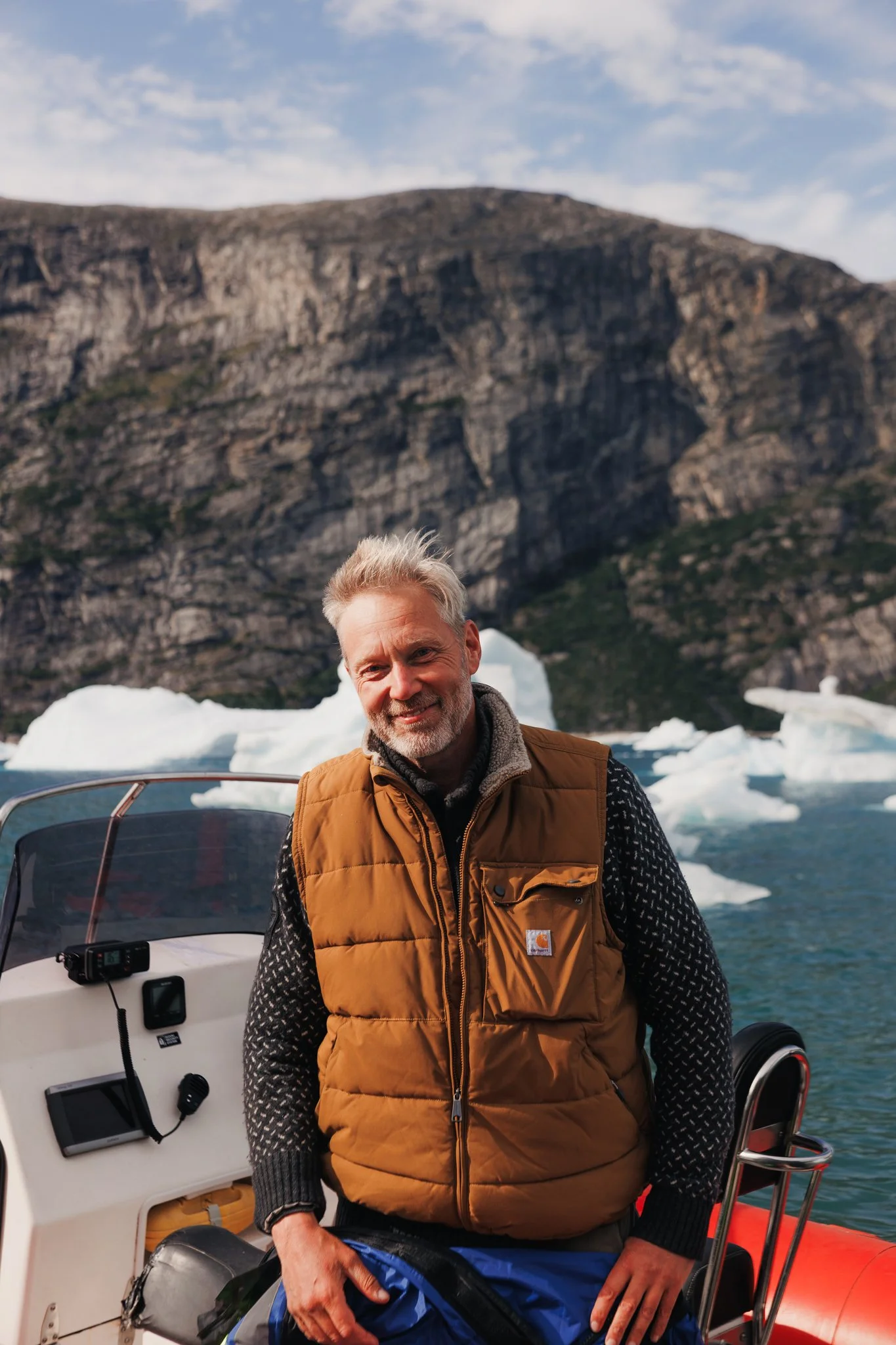
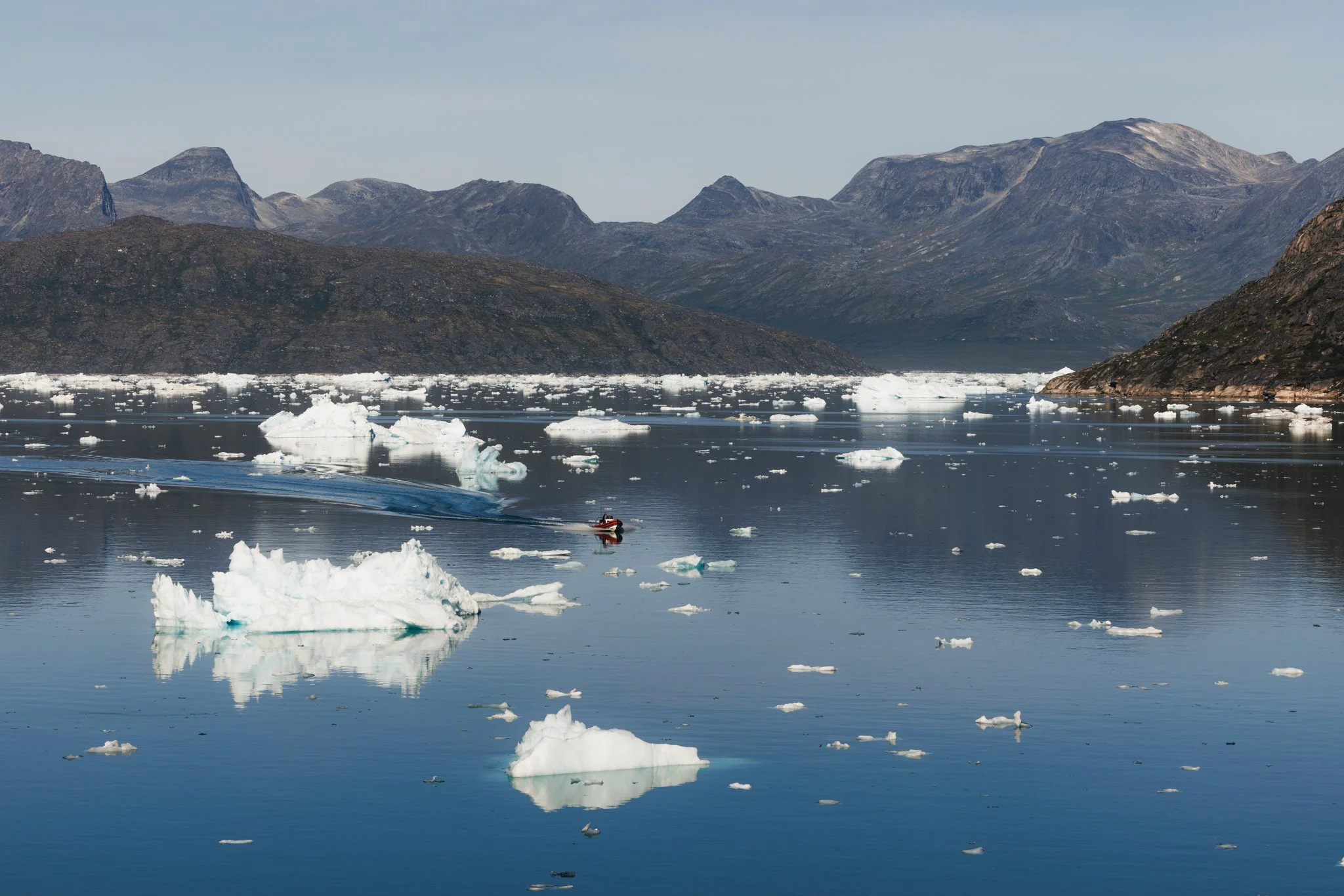
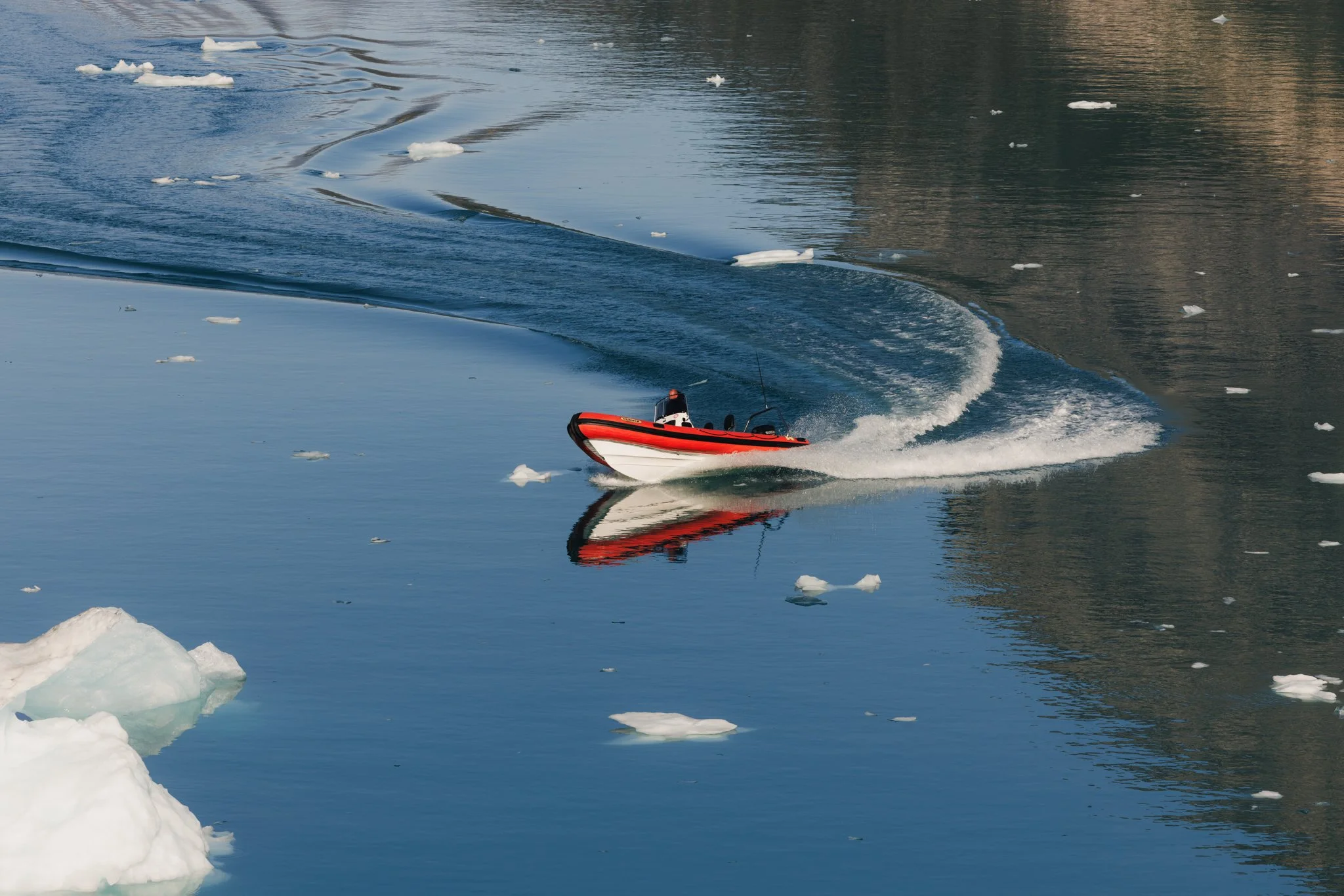
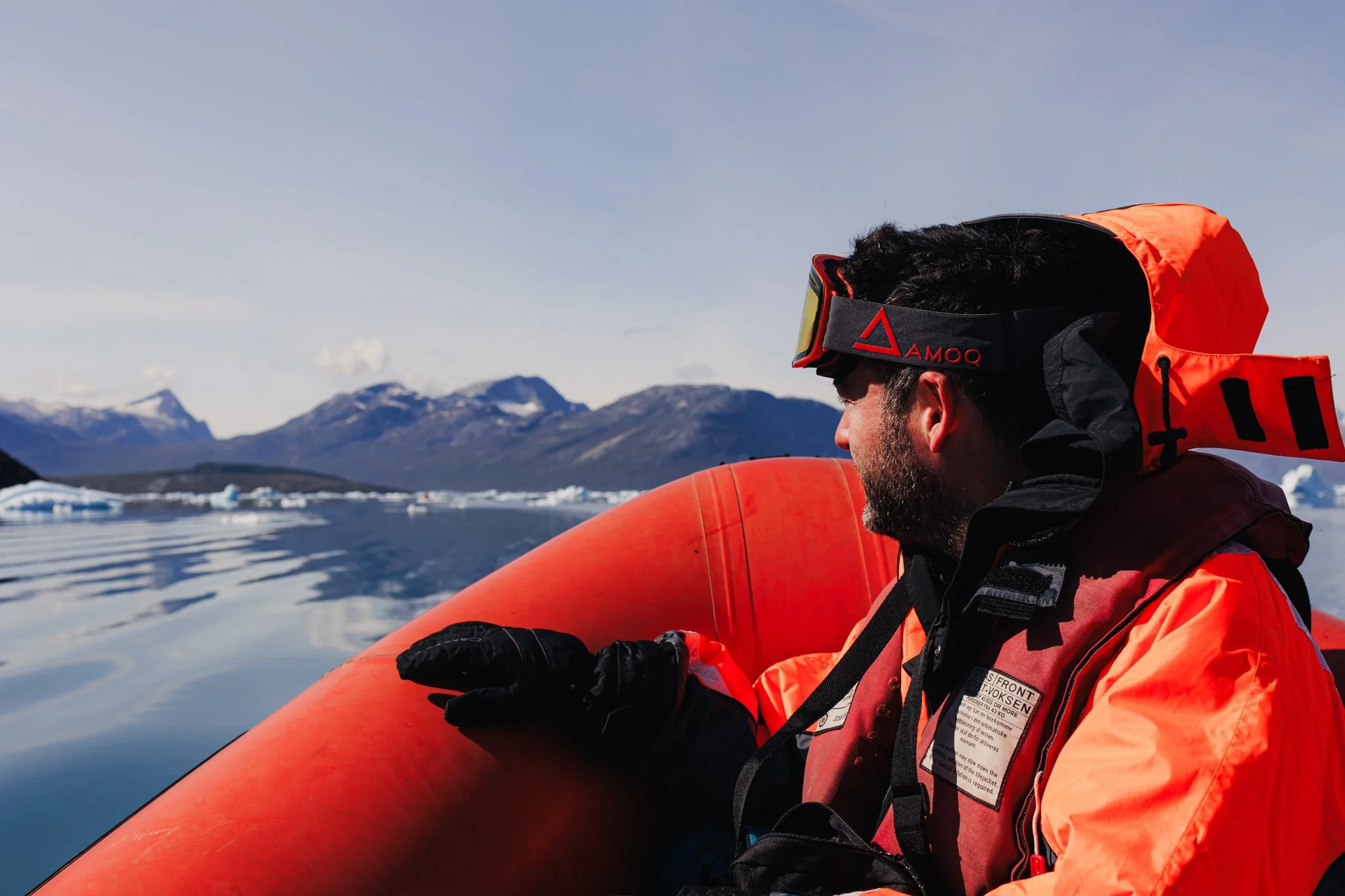
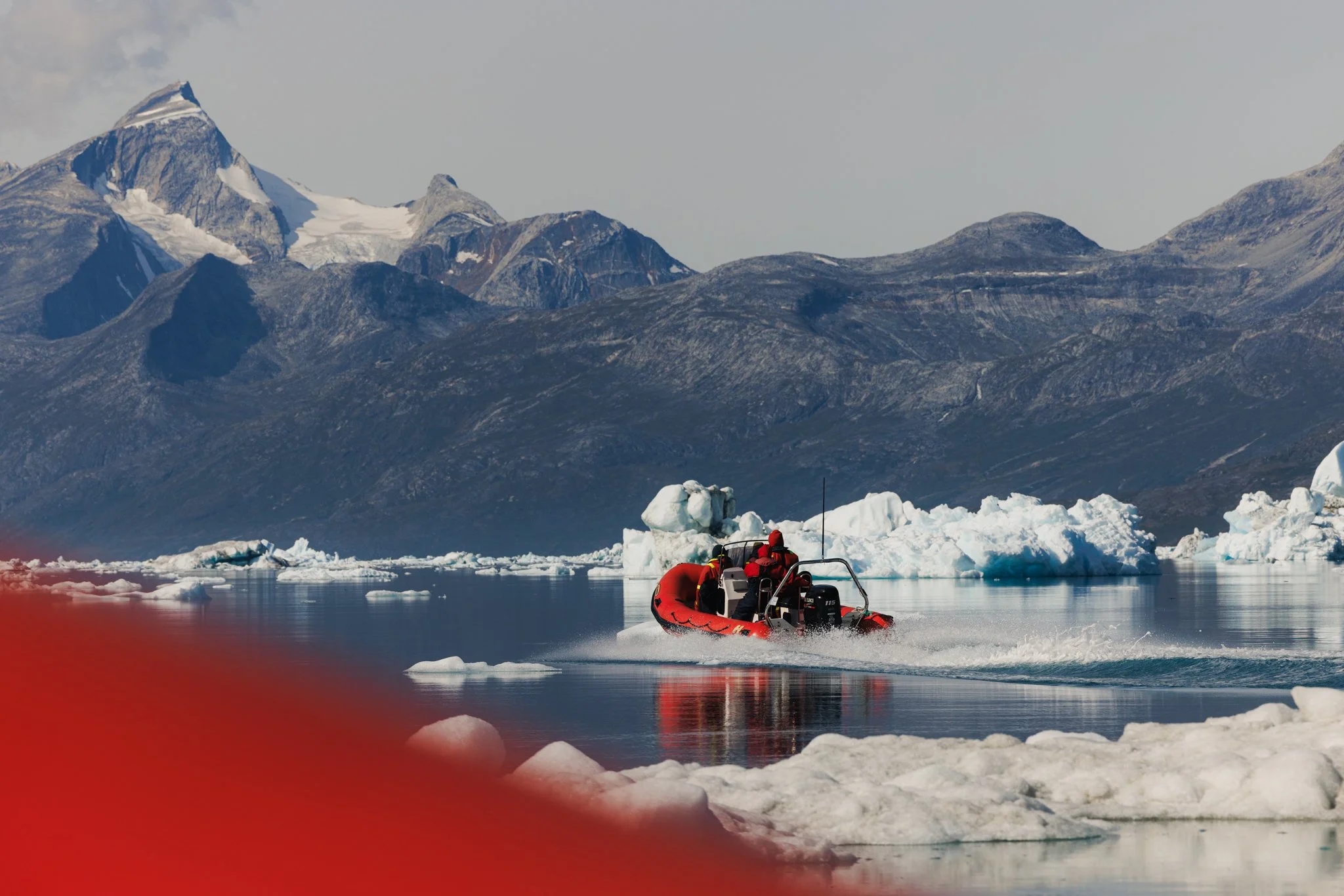
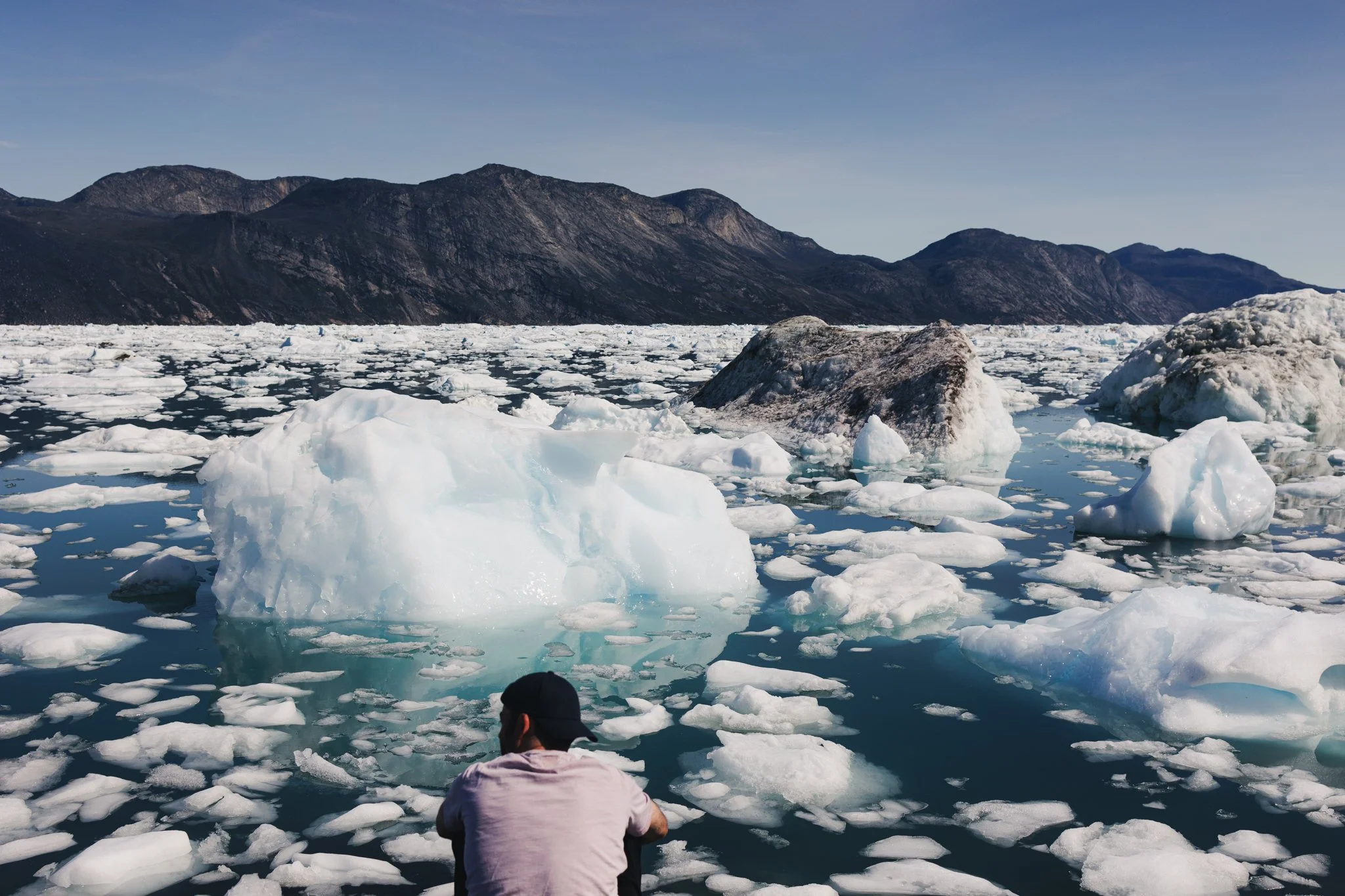
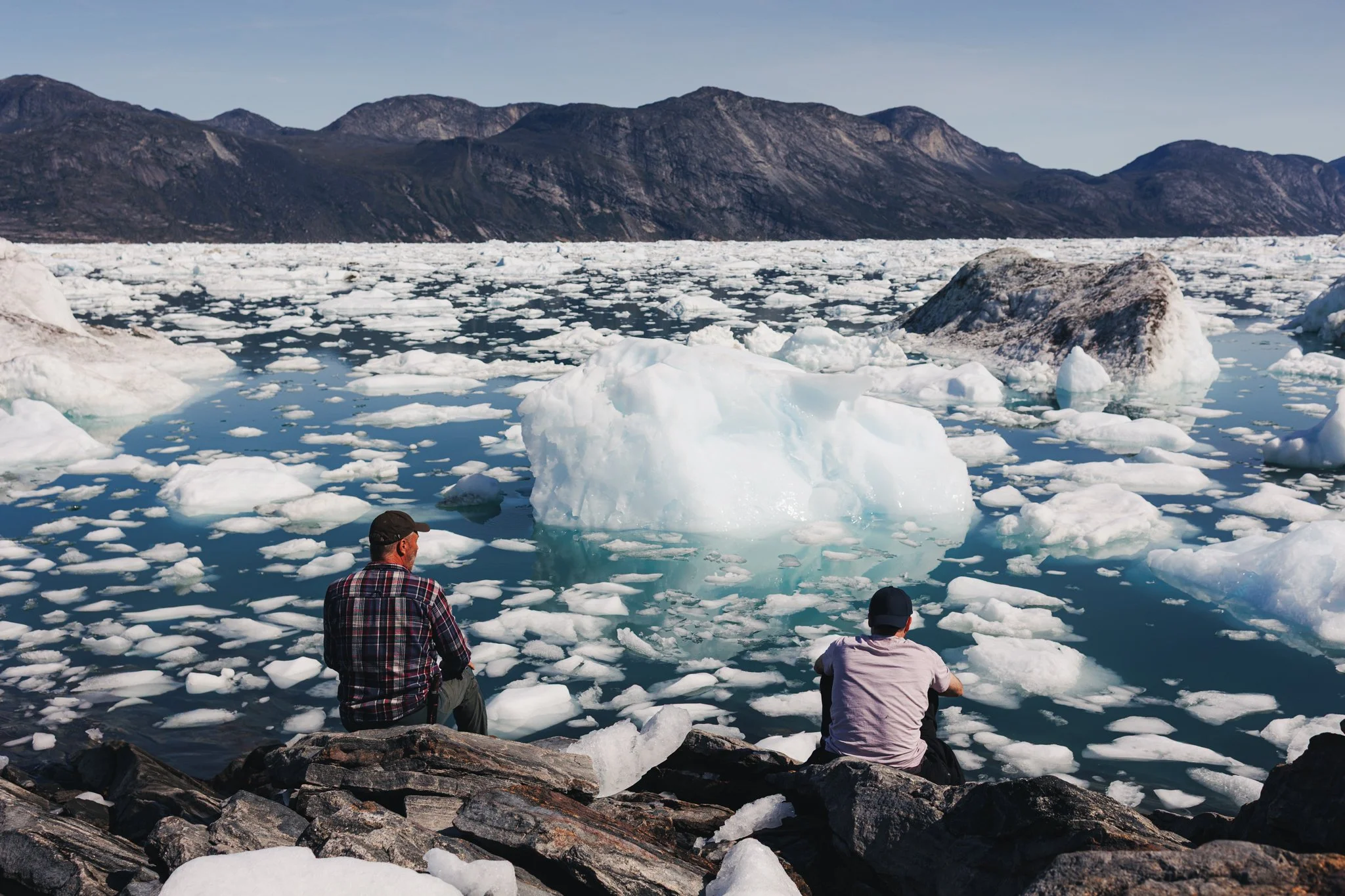
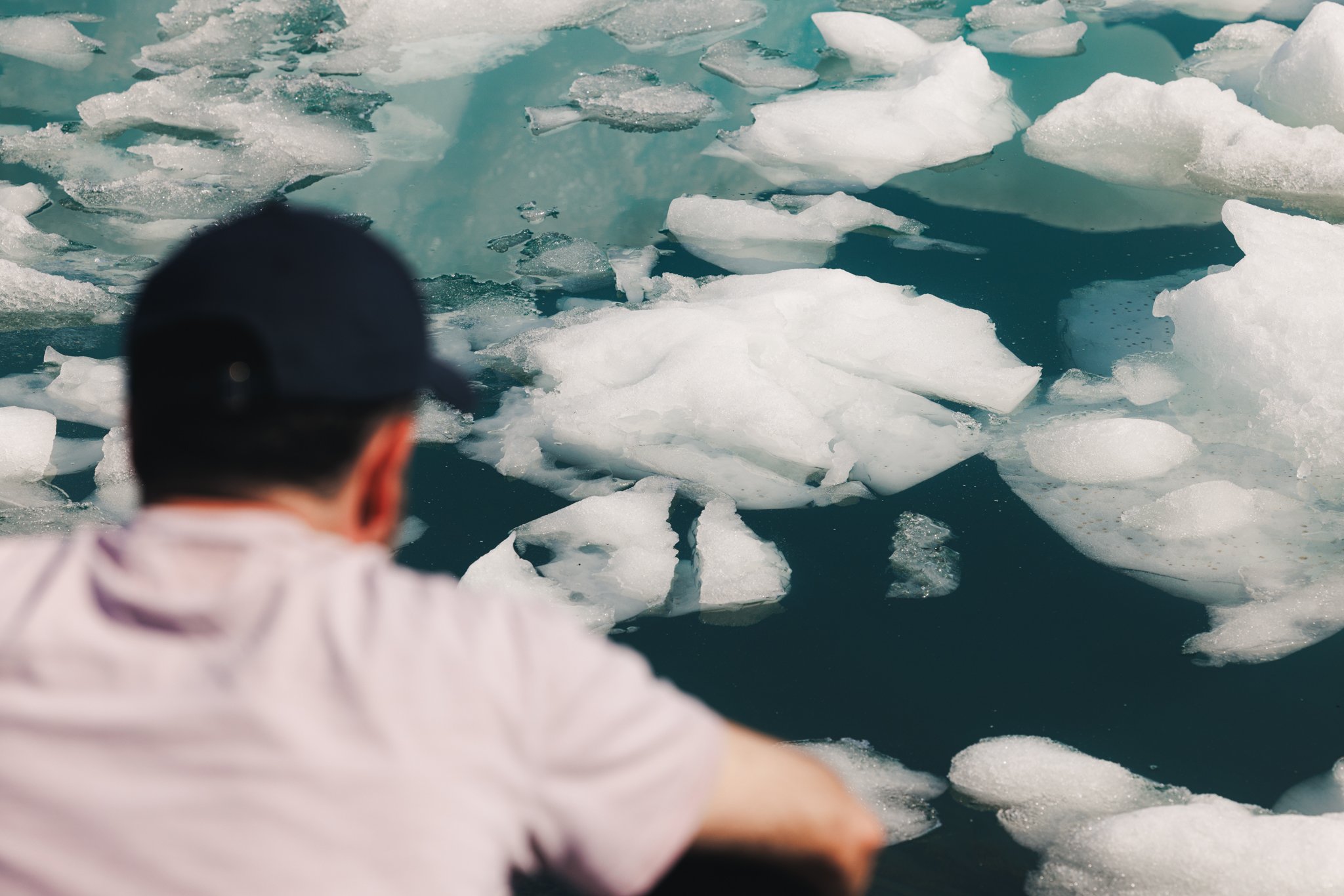
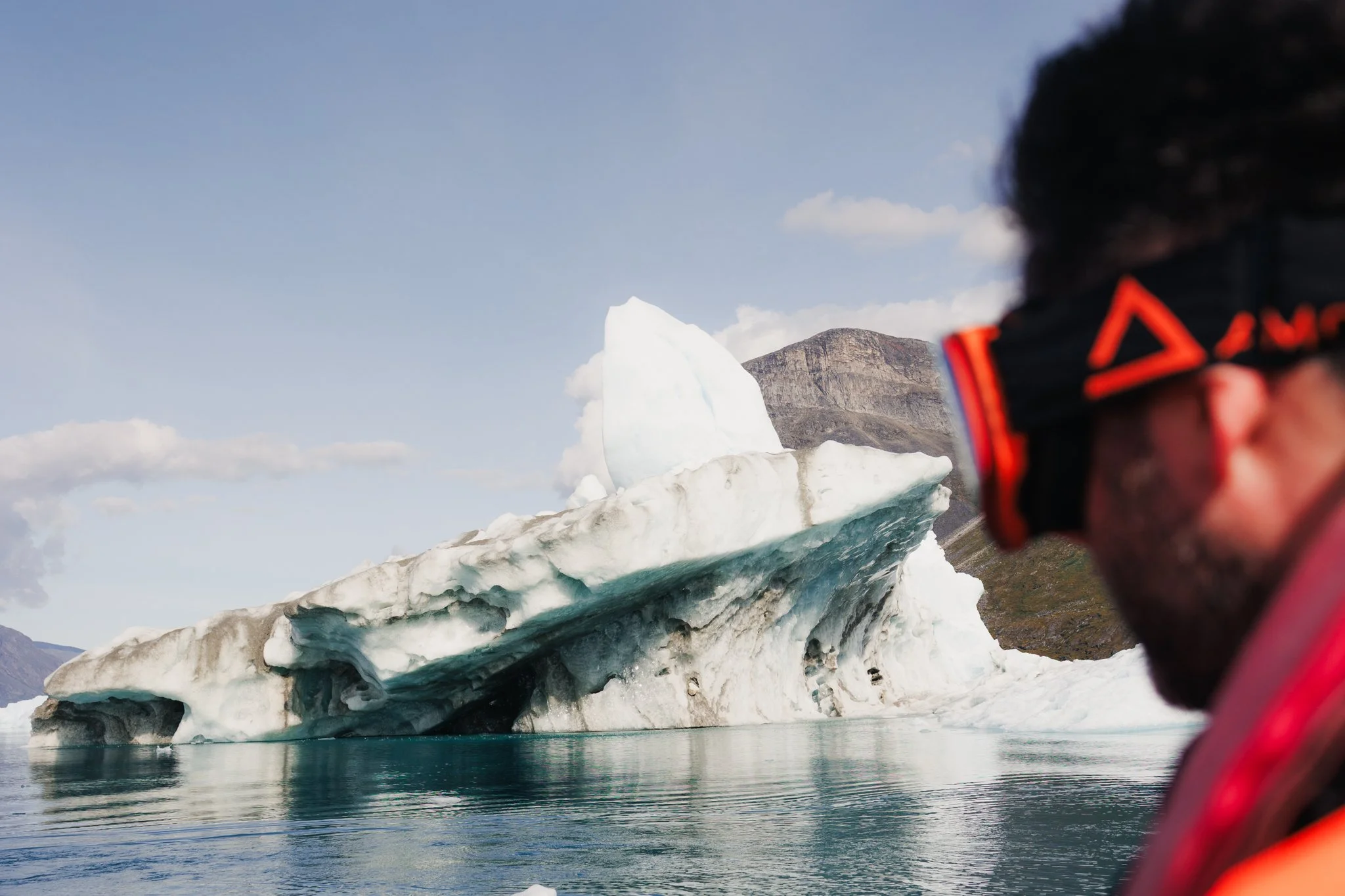
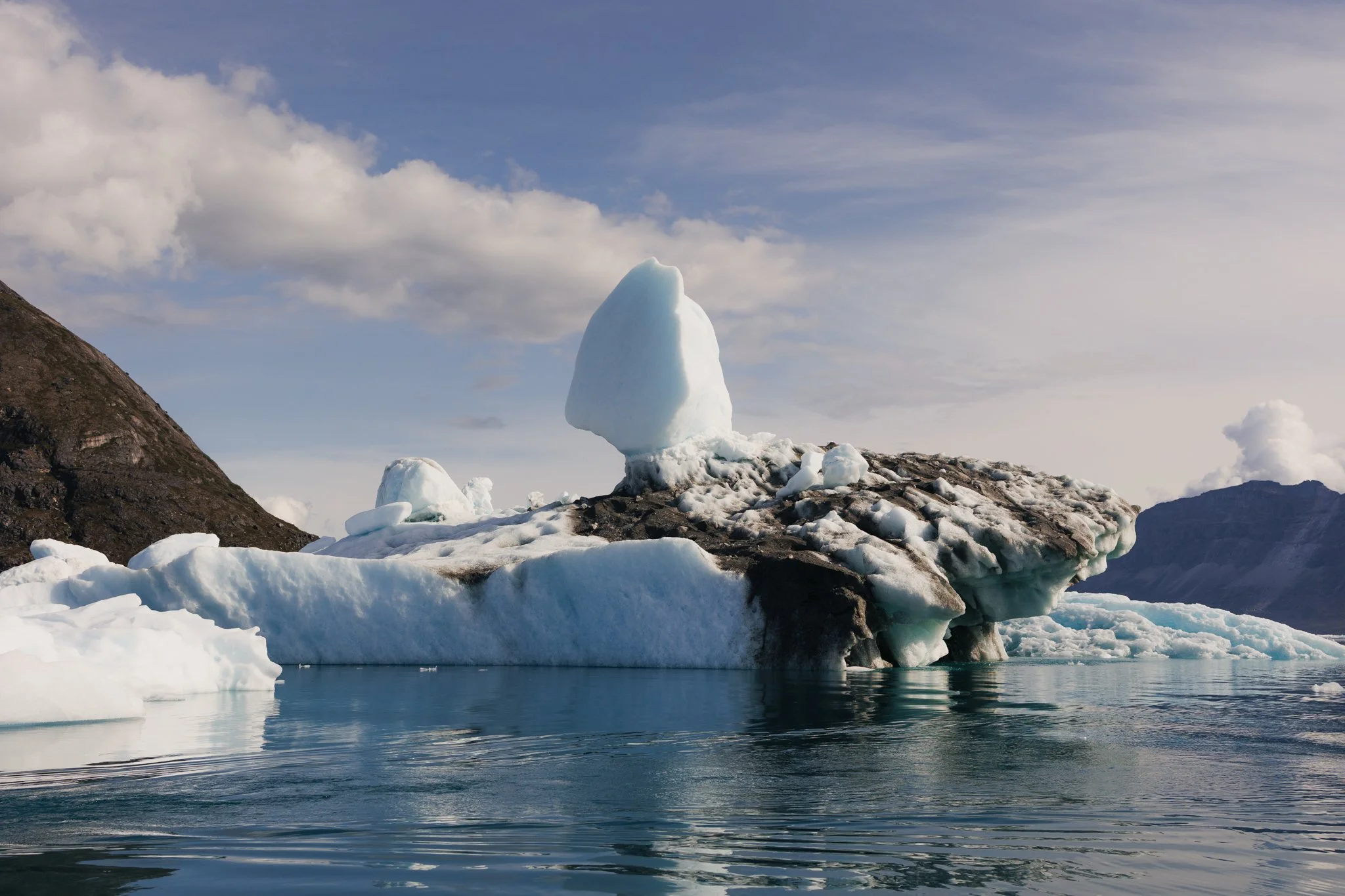
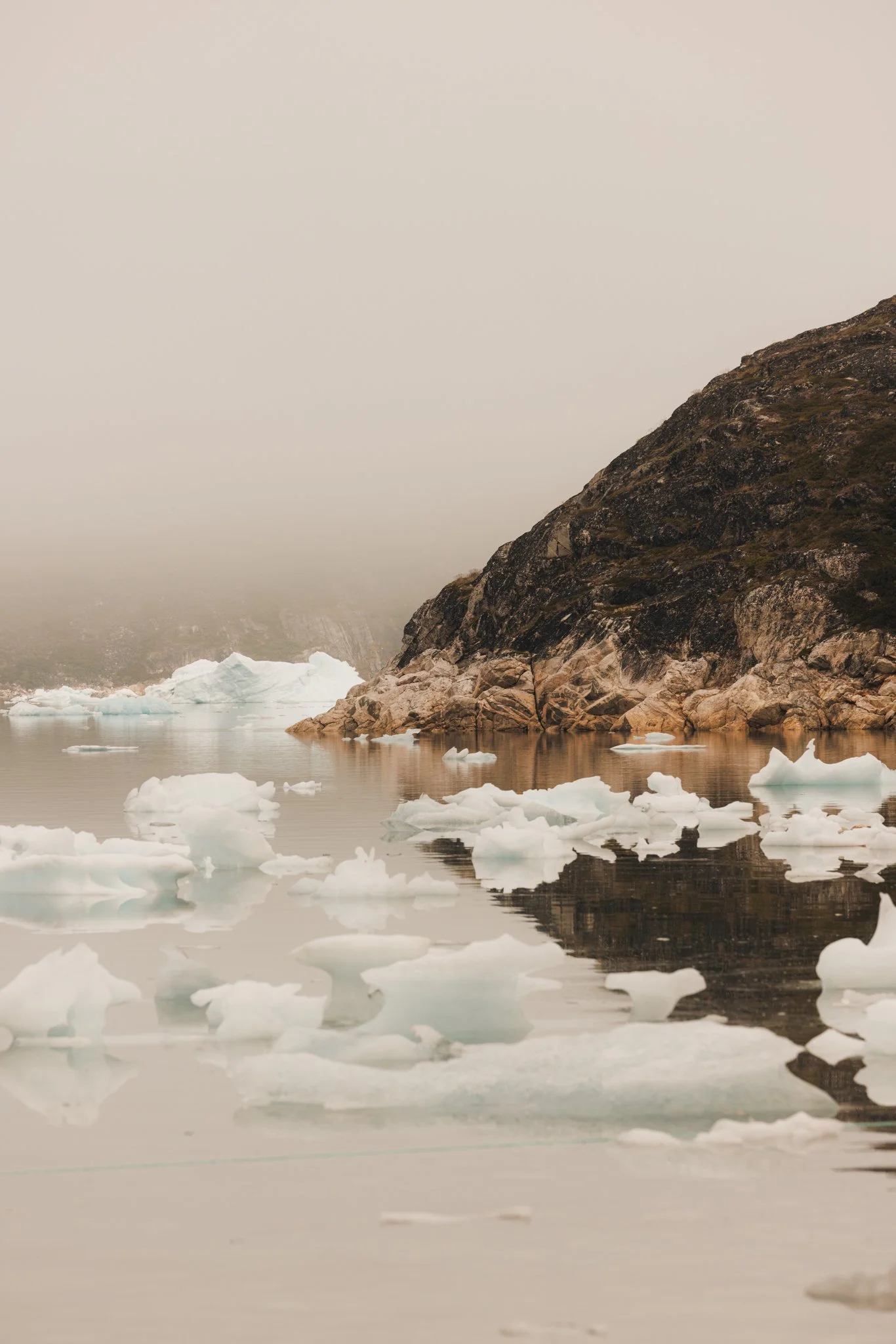
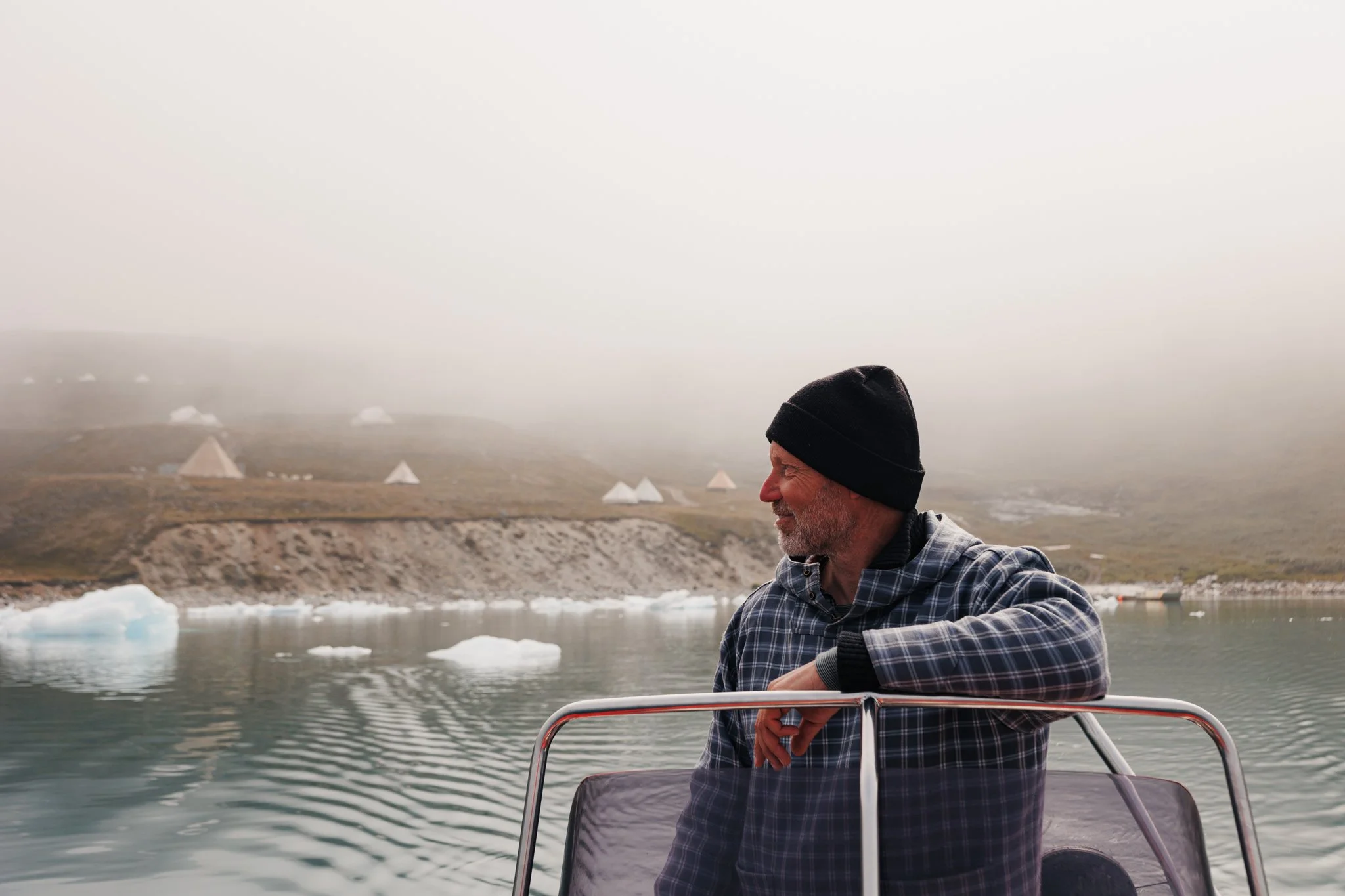
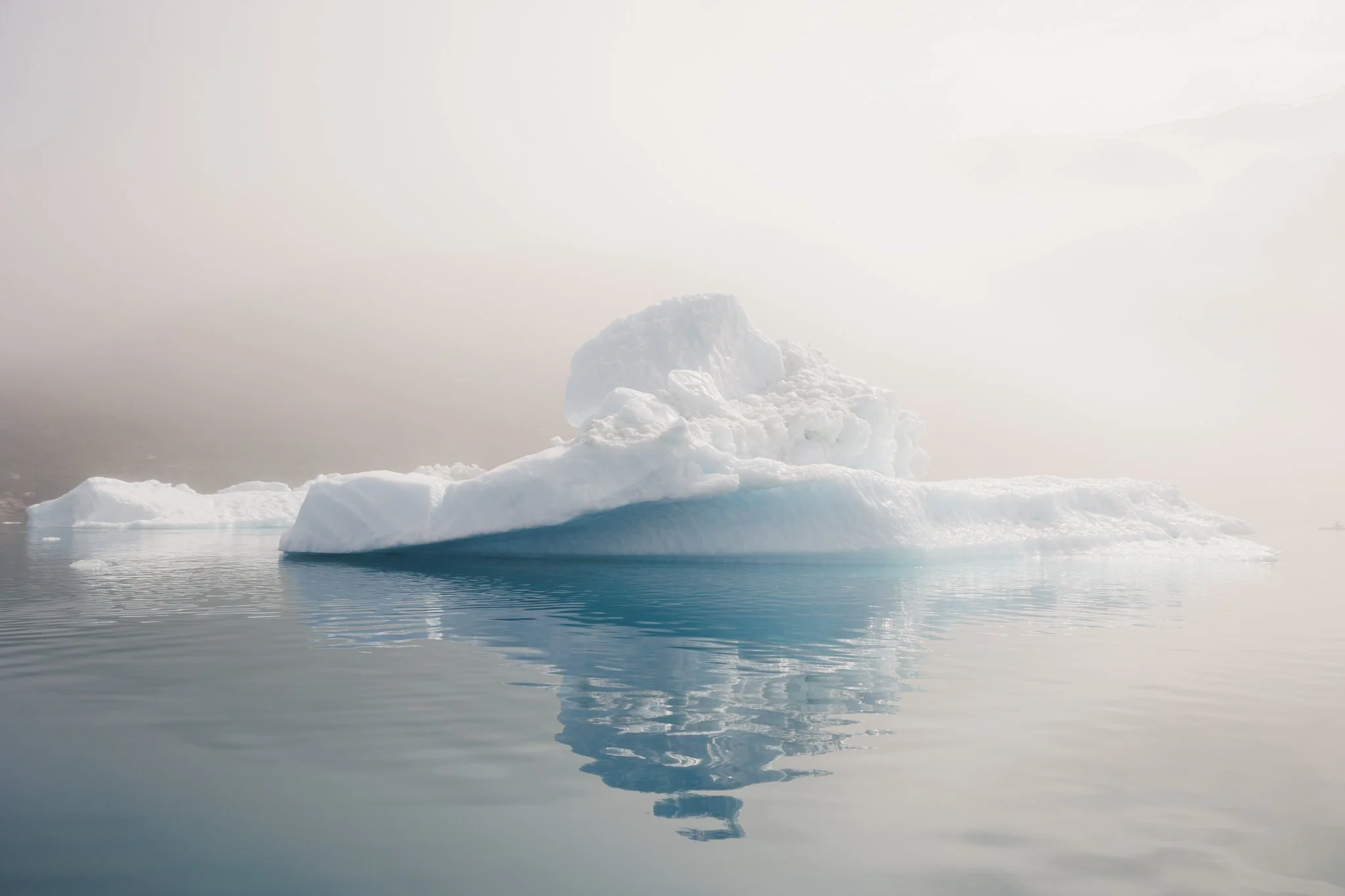
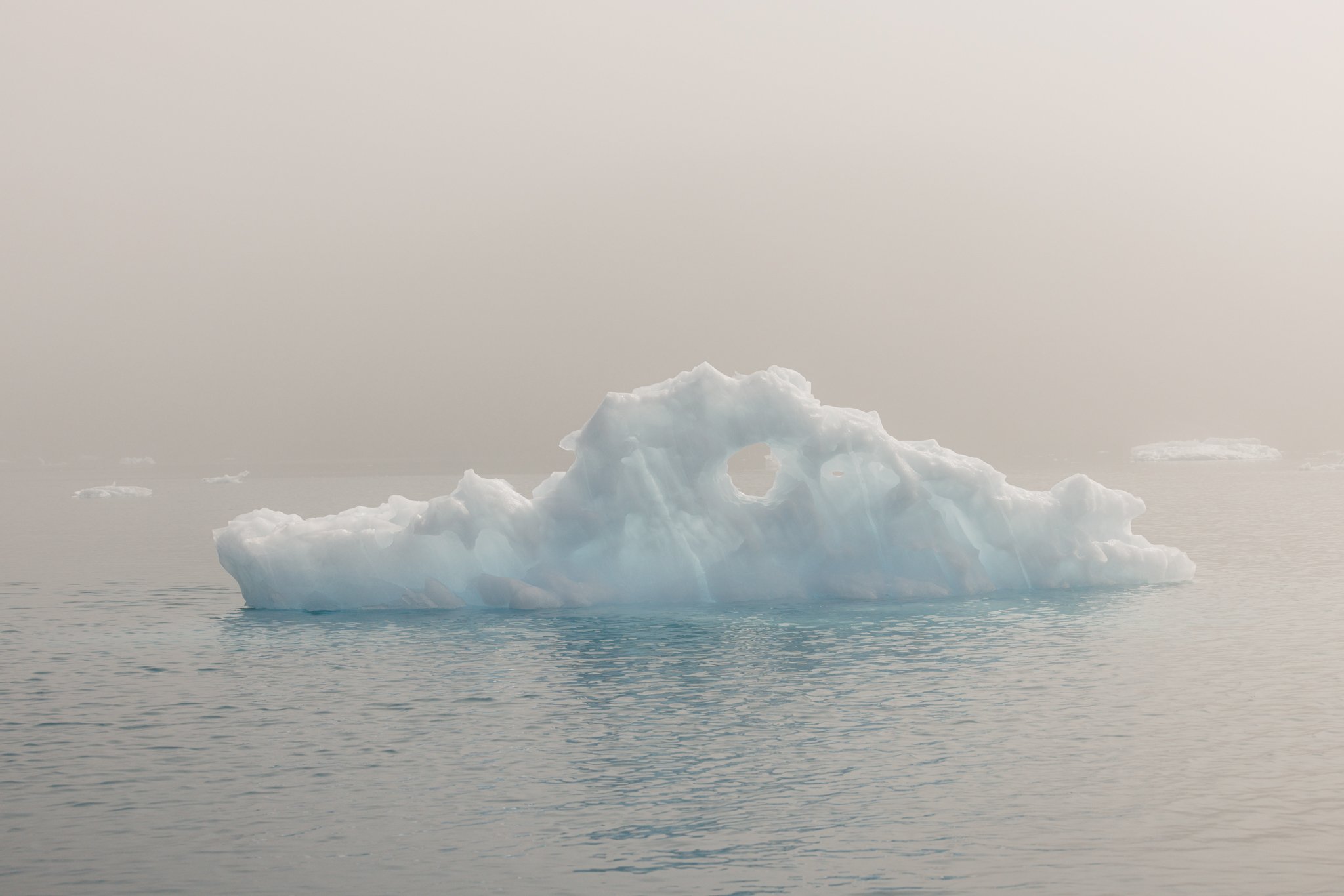
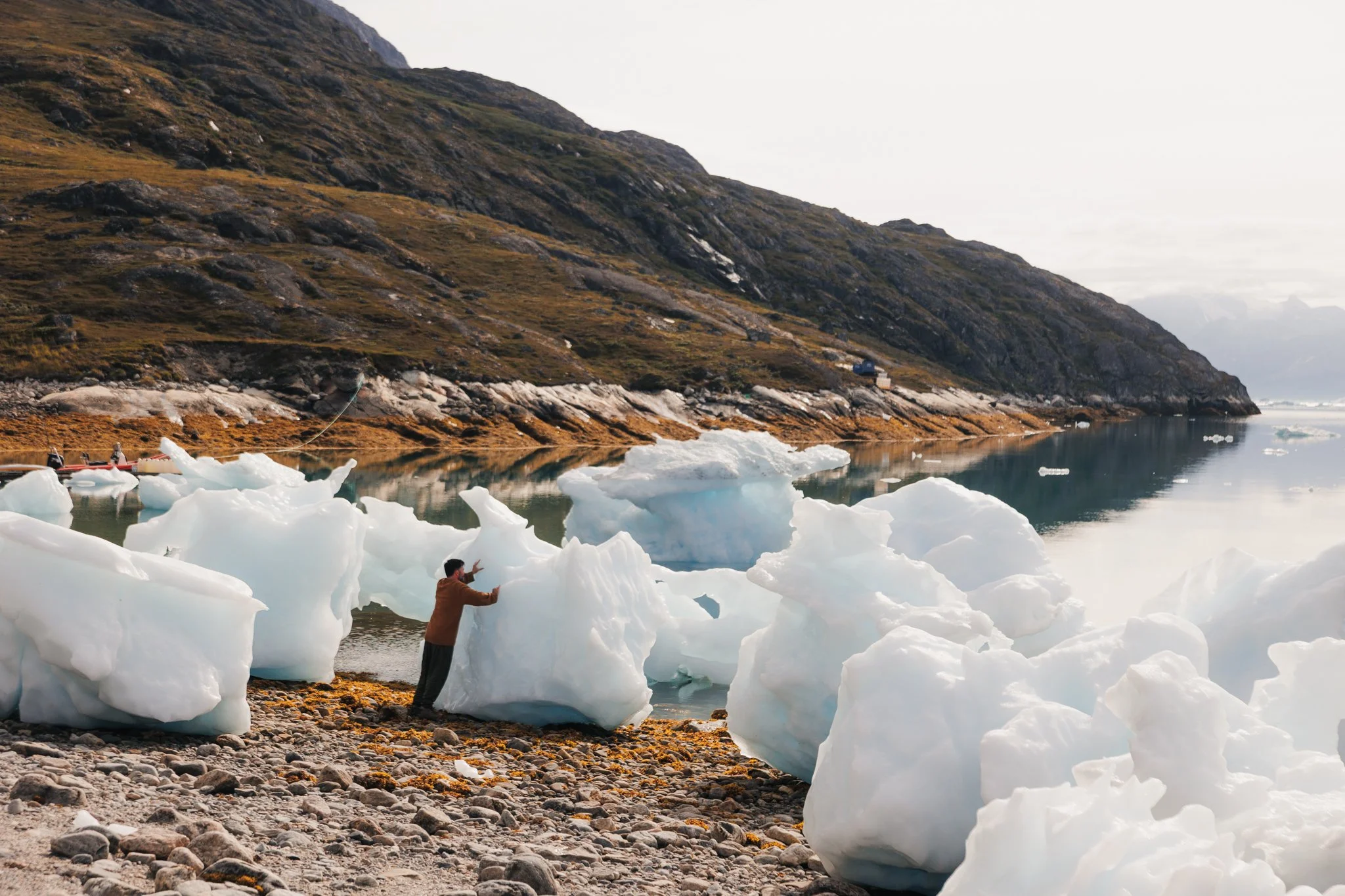
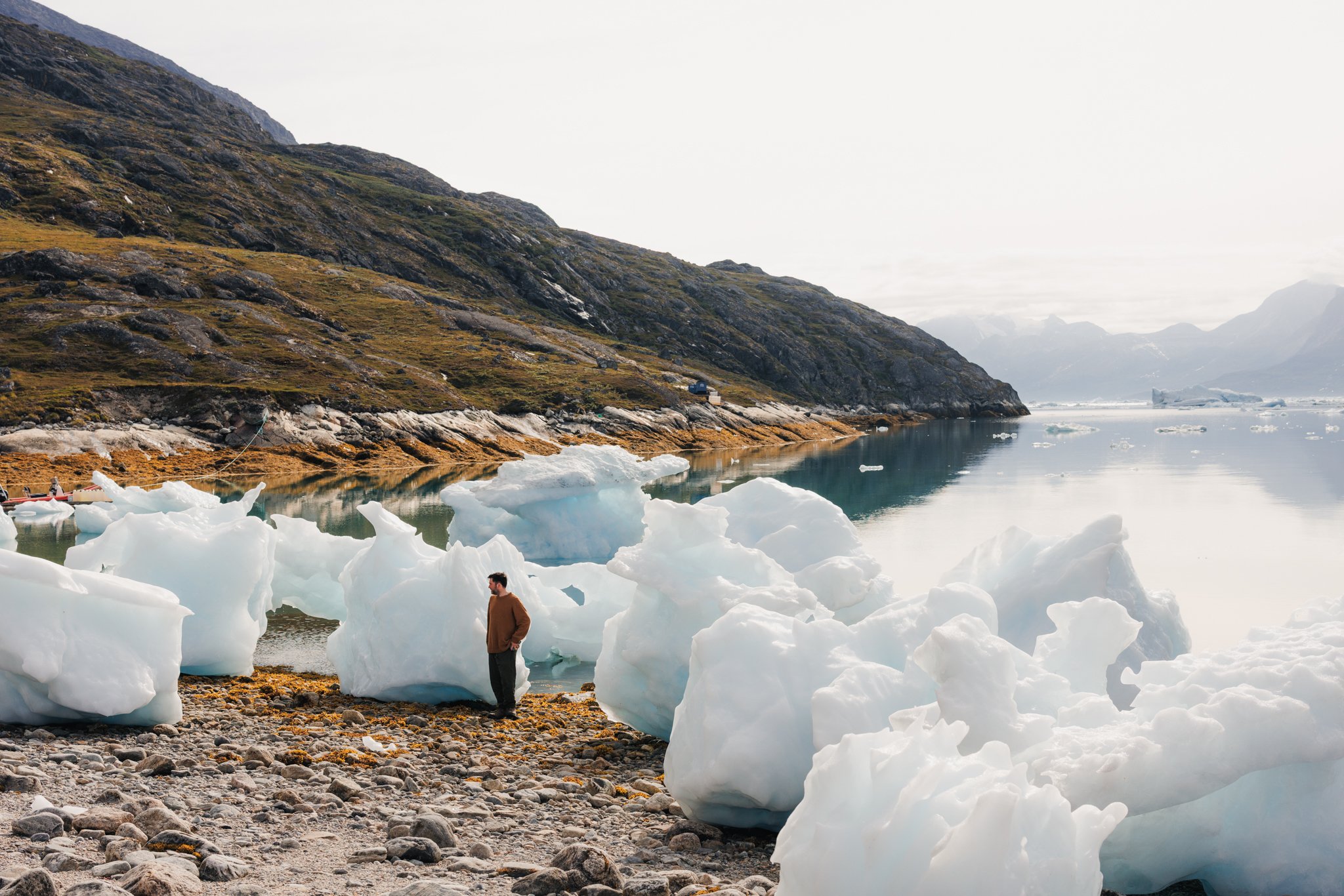
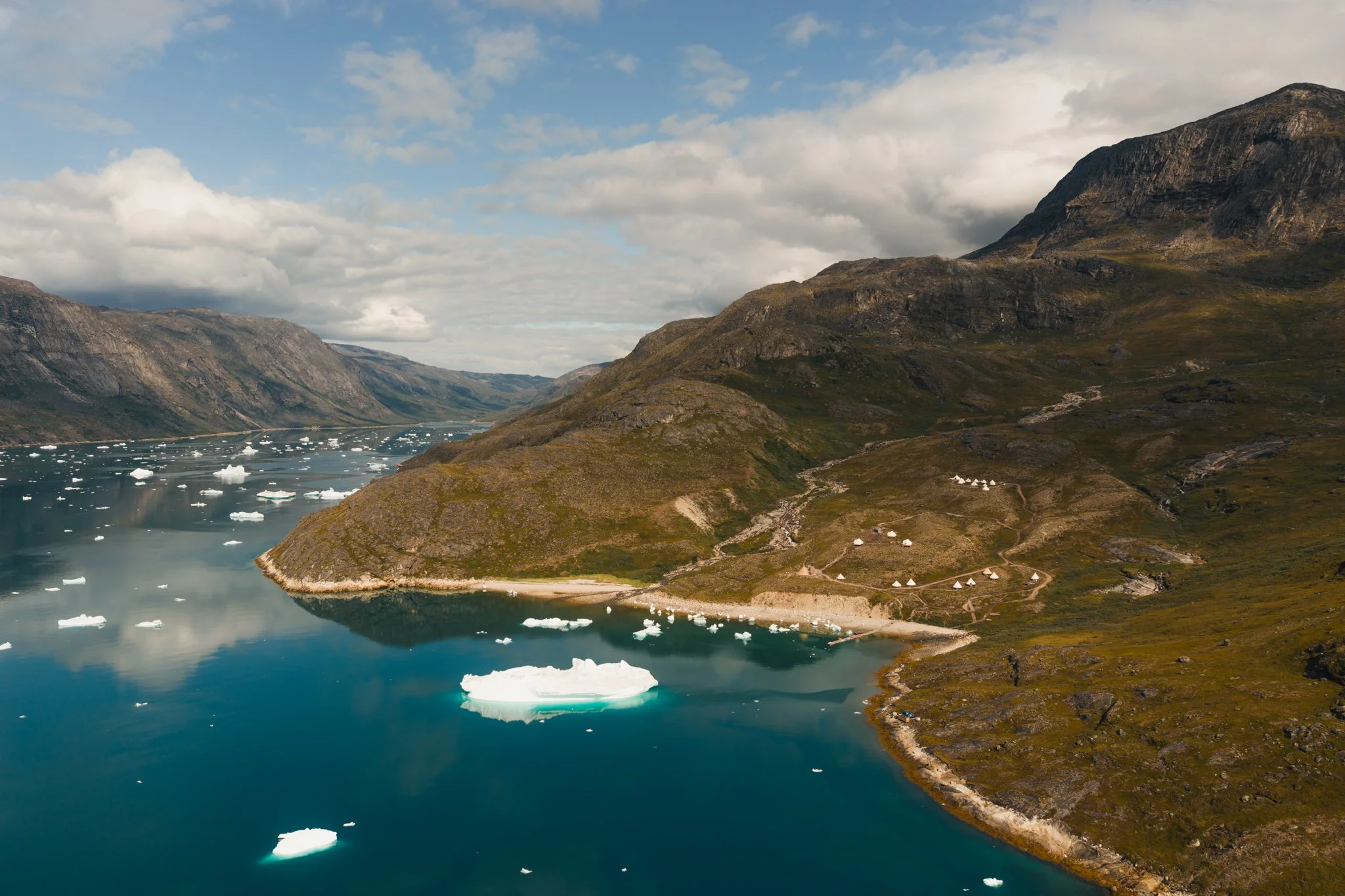
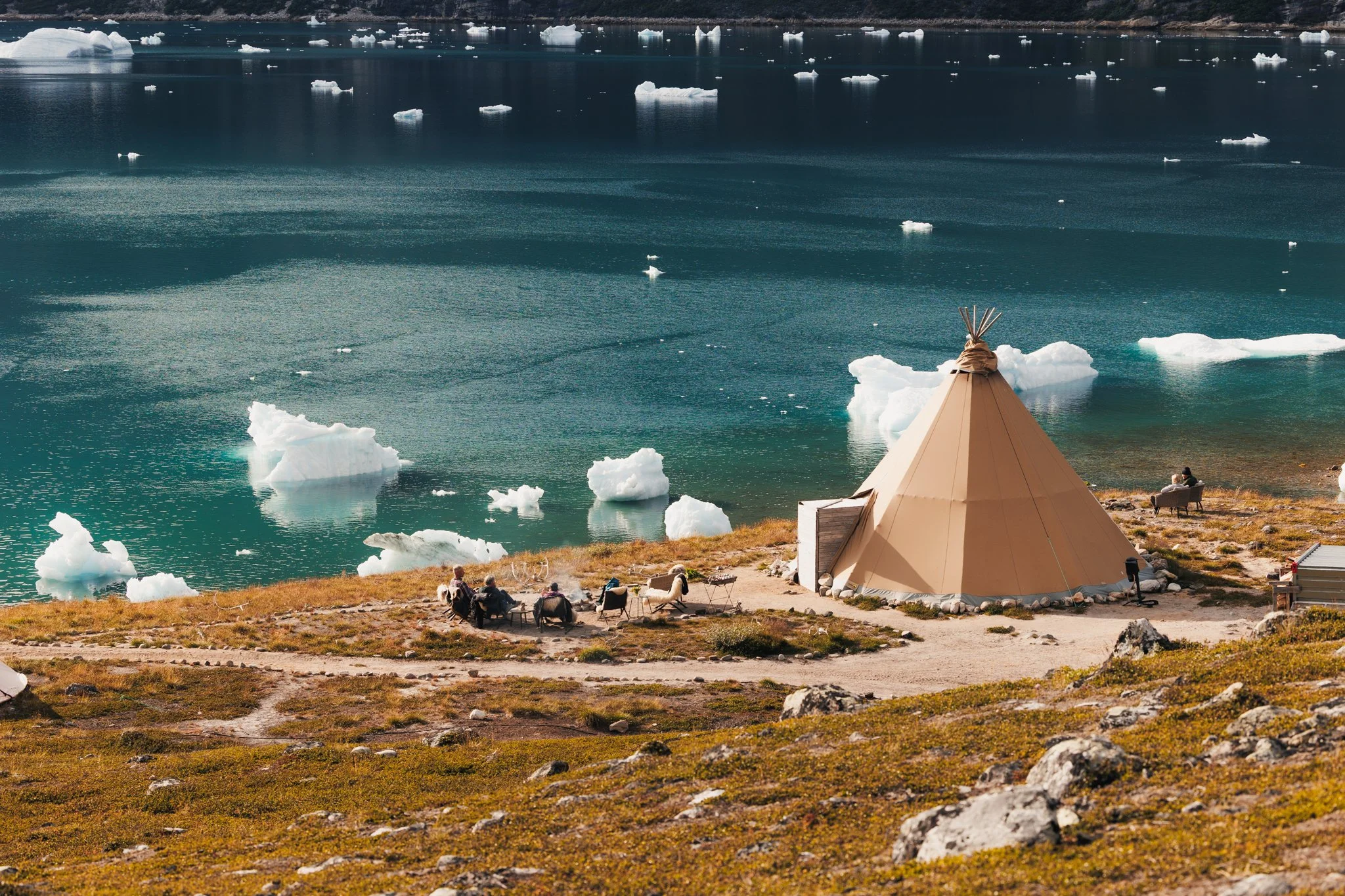
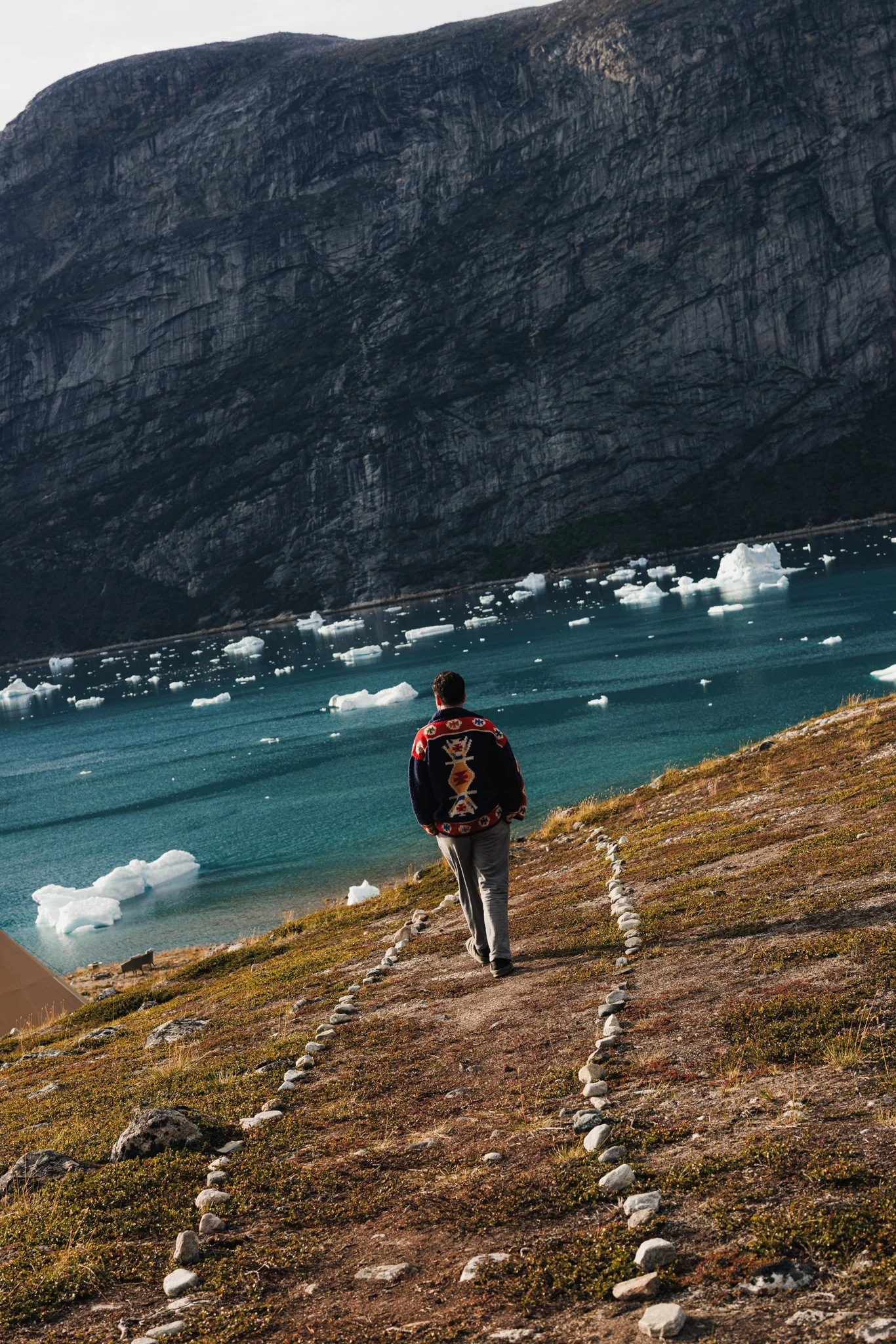
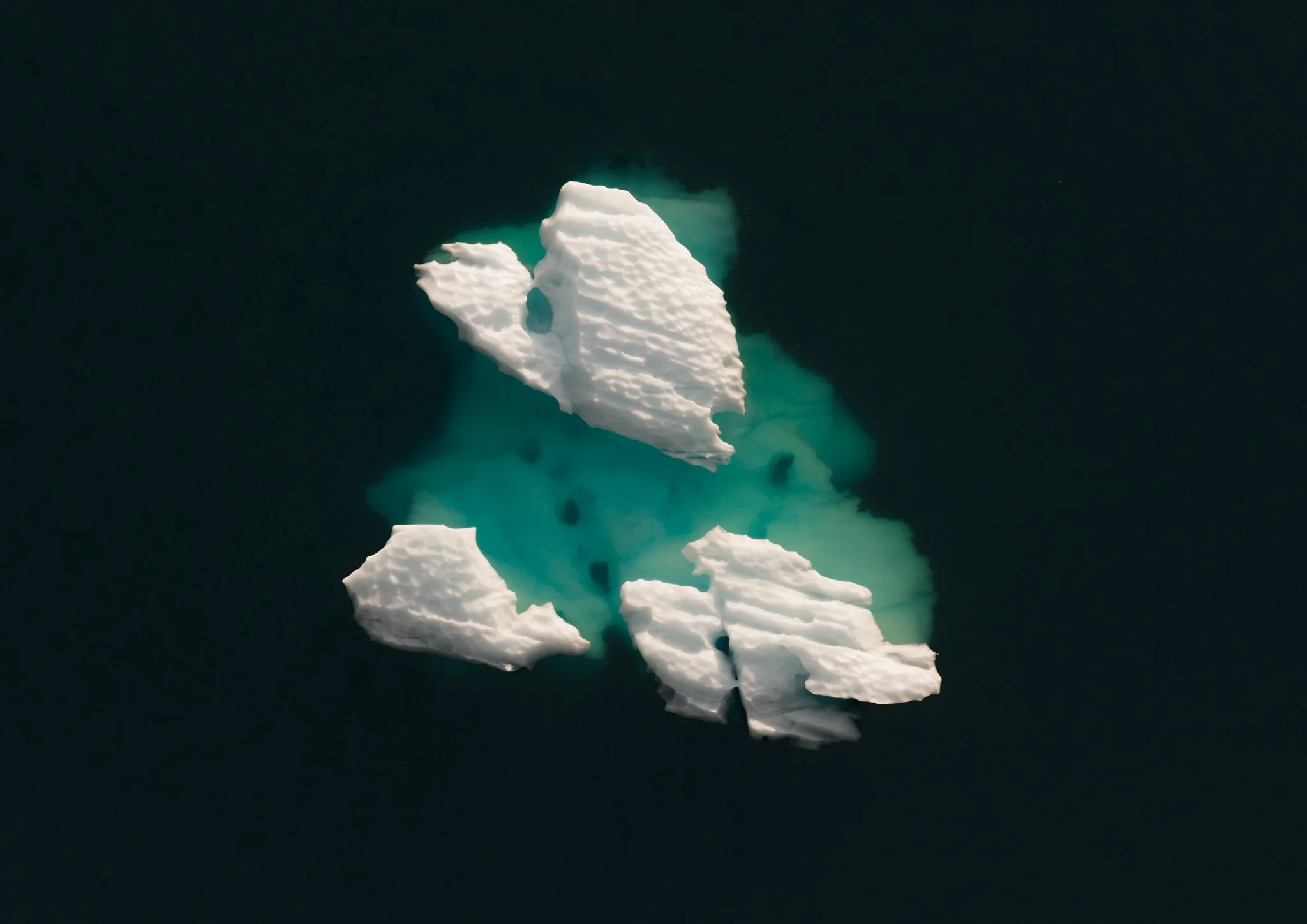
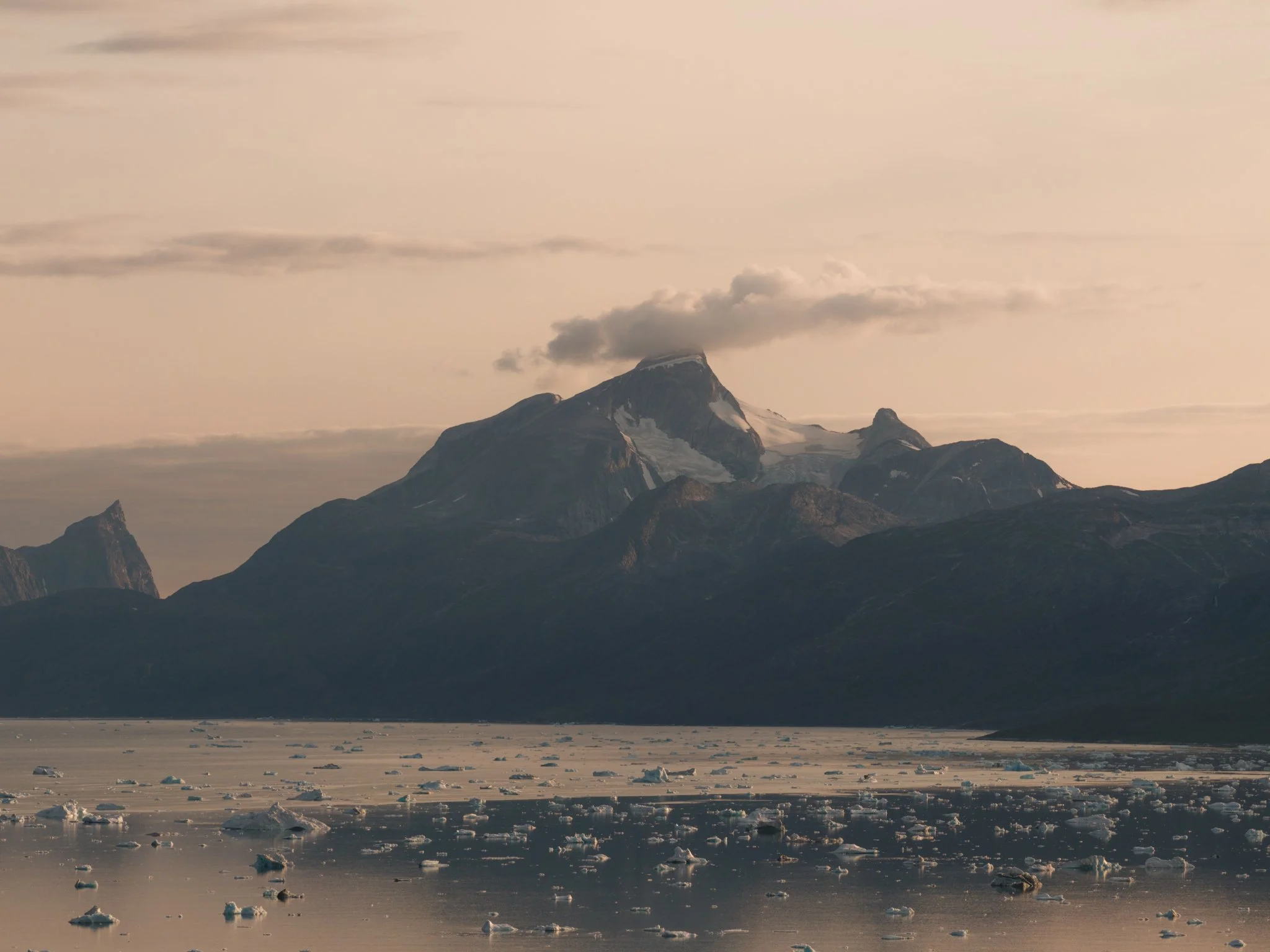
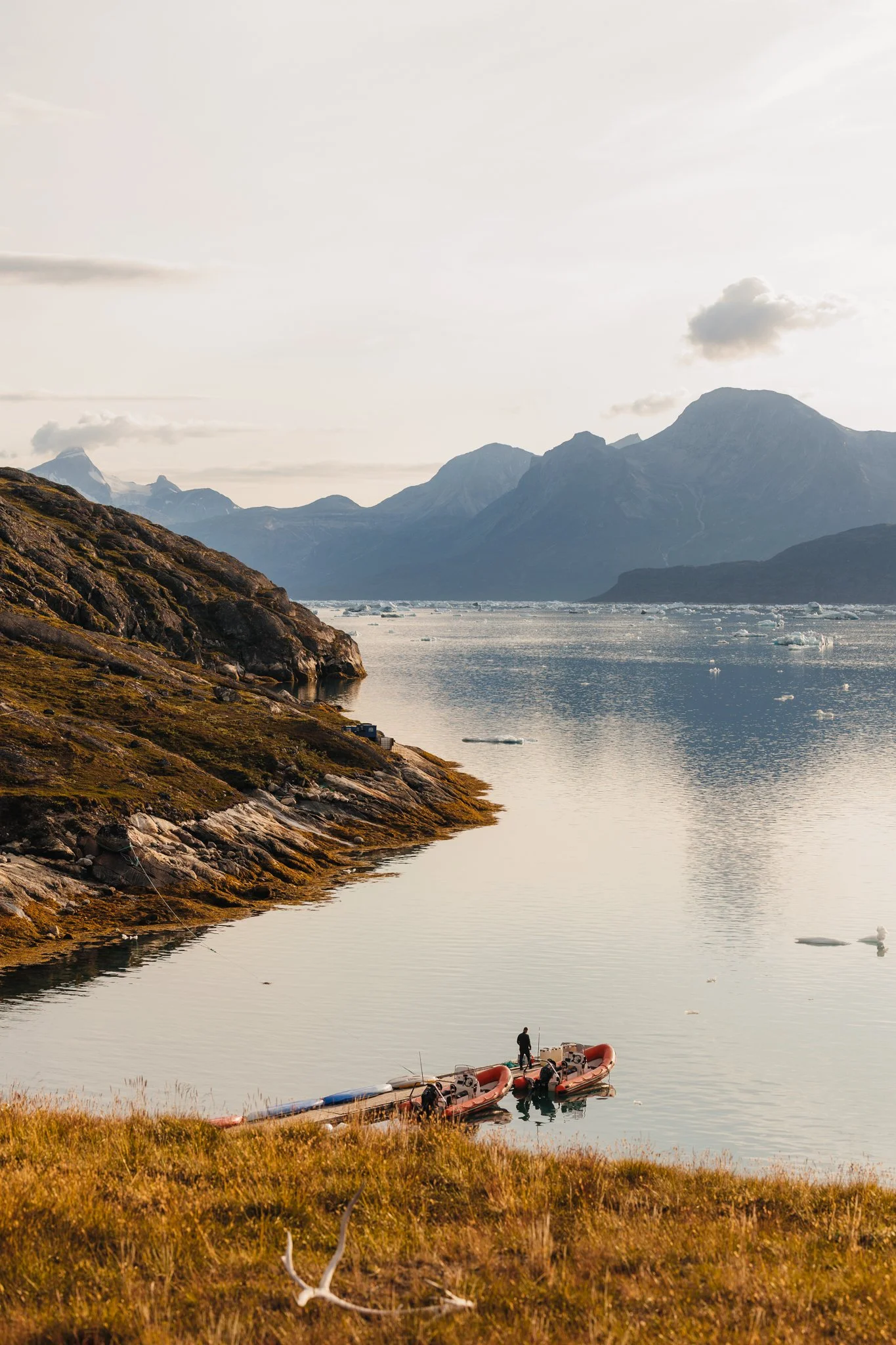
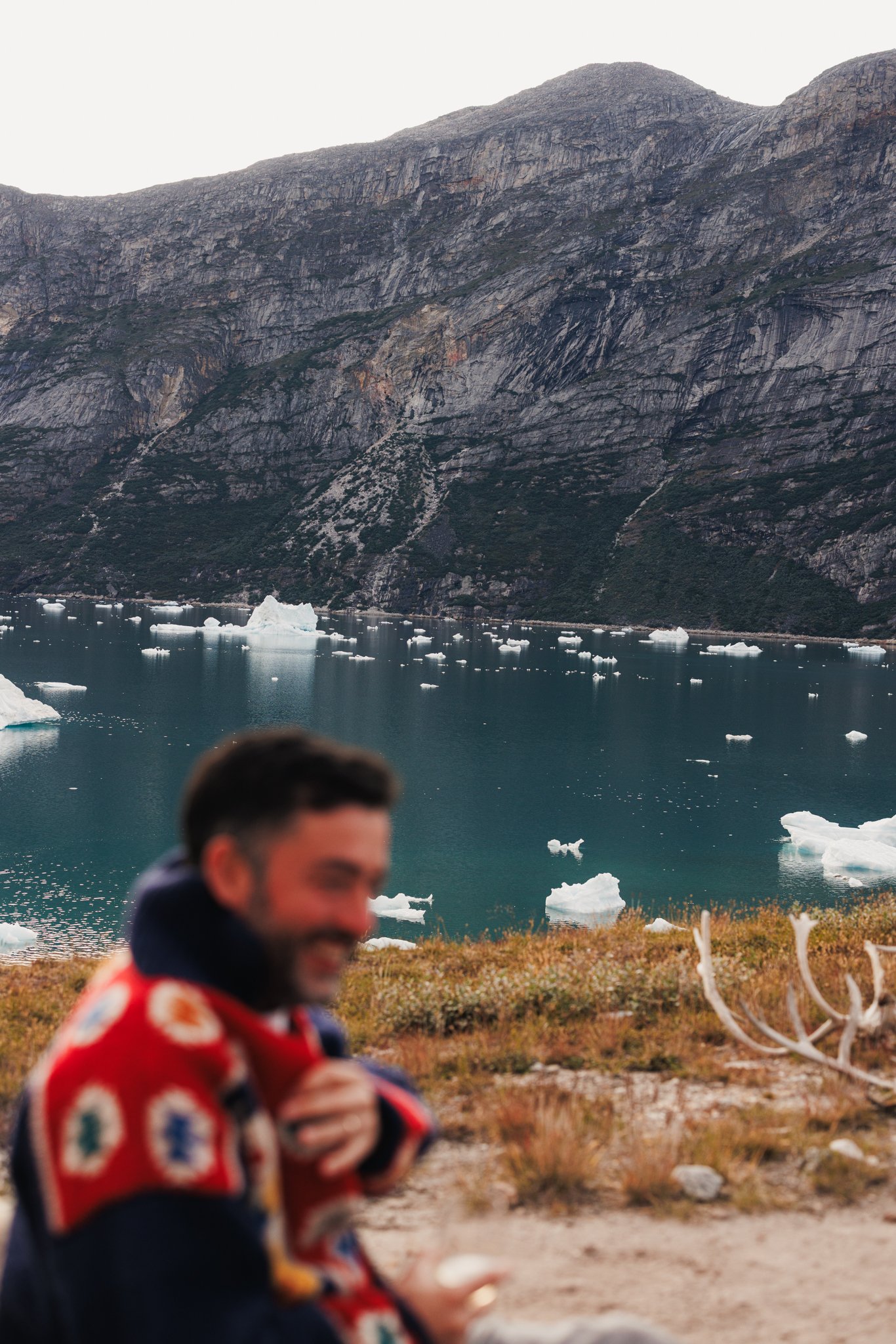
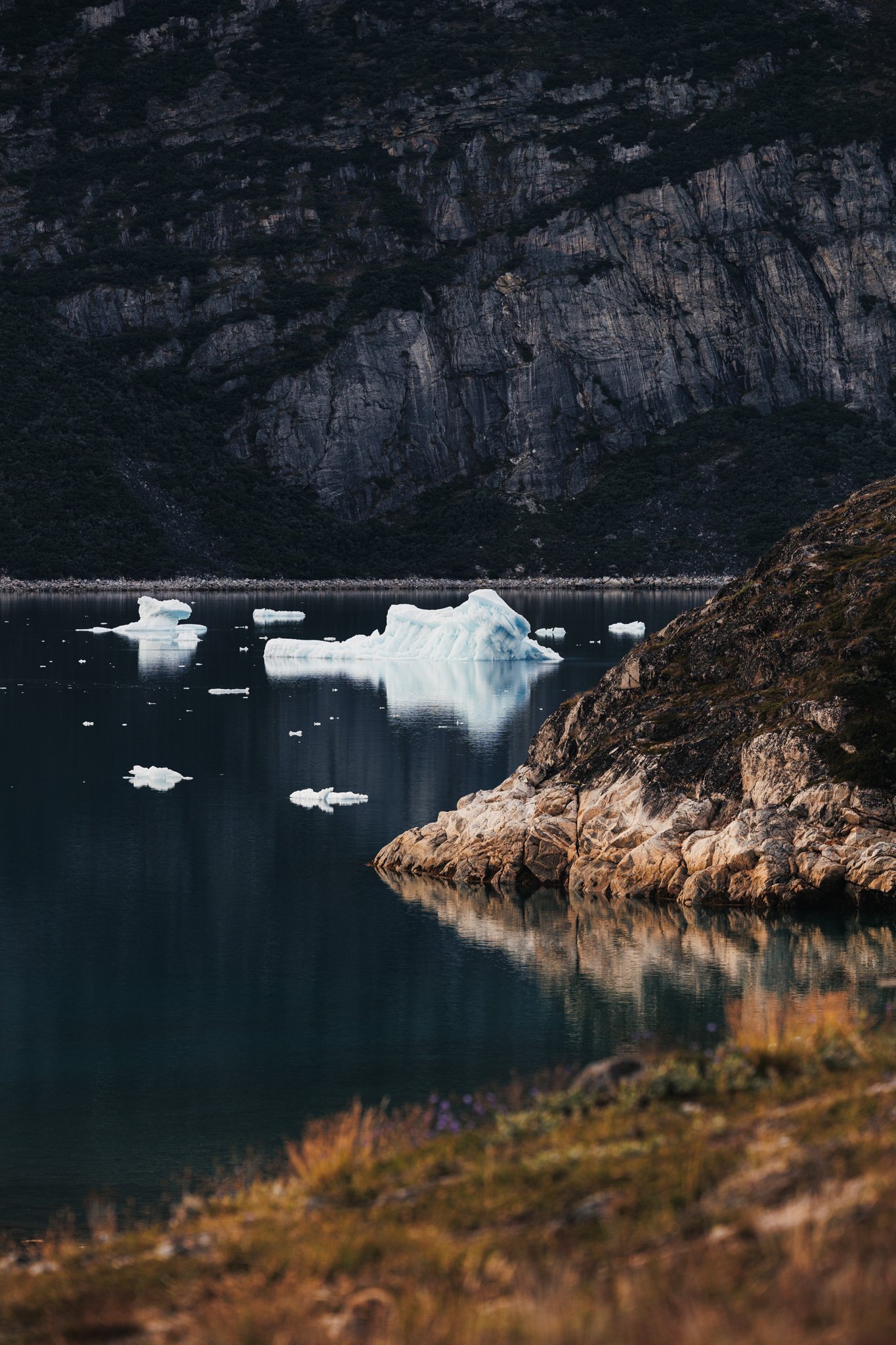
That tension attempts to follow you as you leave town and head two hours into the fjords toward Nomad Greenland’s luxury camp on an inflatable, open-air boat. But the ride is intentionally not just transit. It is a gradual recalibration, the city and news thinning behind you as icebergs begin to appear in increasing numbers, bright fragments that turn the water into a moving field of obstacles and mirrors. We sit and stare in our heavy gear, suddenly quiet. The boat’s rhythm becomes its own kind of punctuation: spray, engine, silence, then another iceberg drifting by with the serene confidence of something that does not need to move quickly.
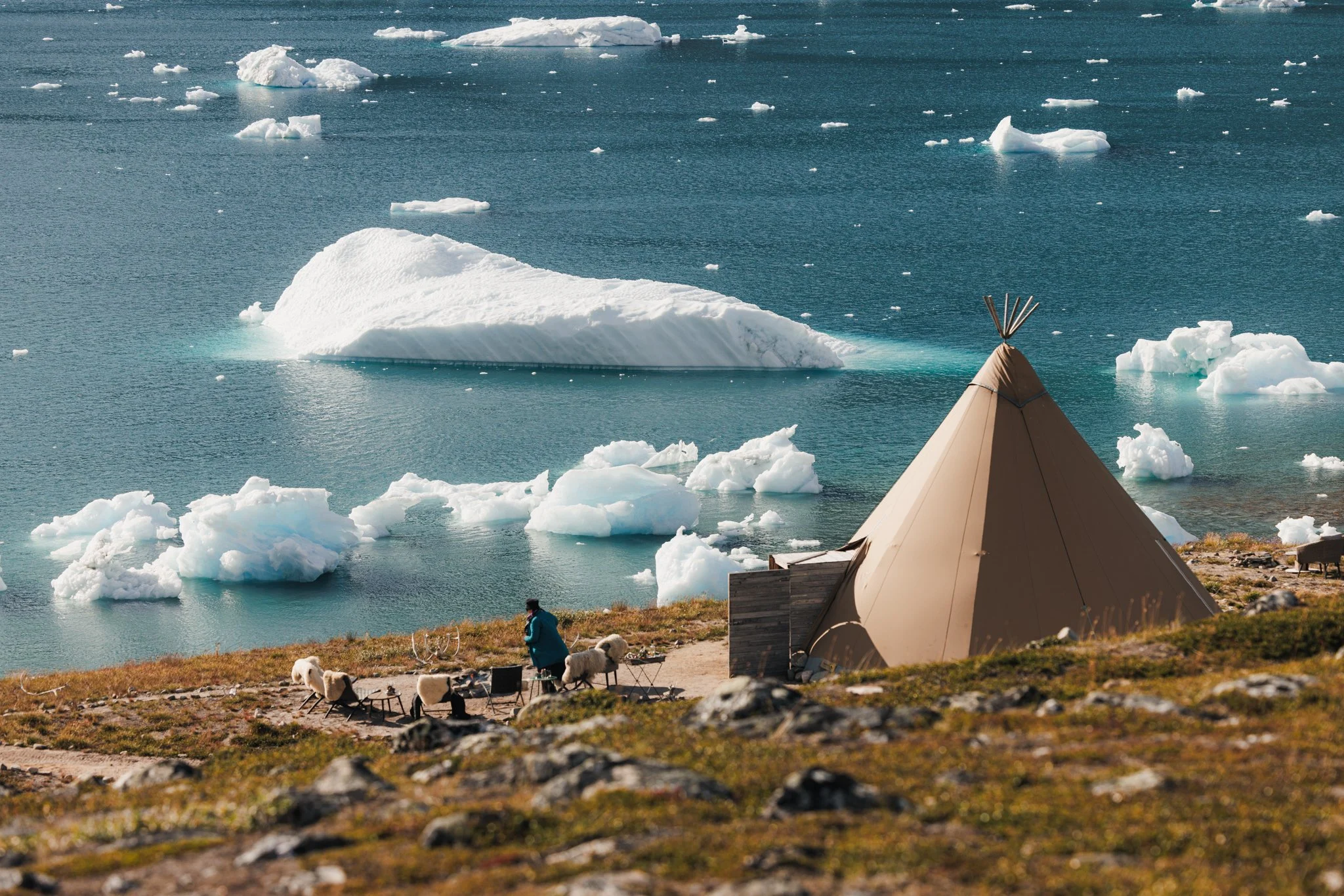
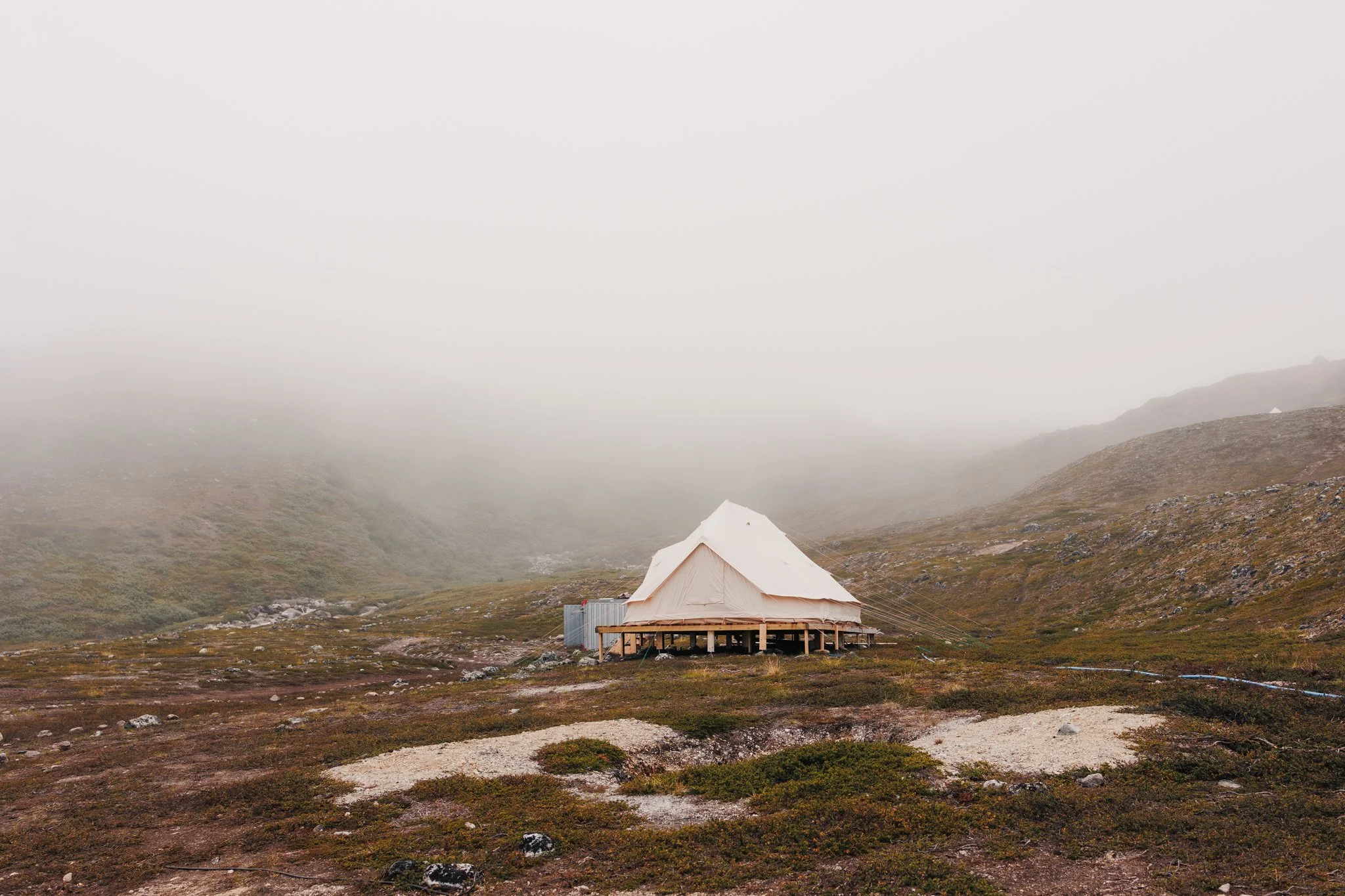
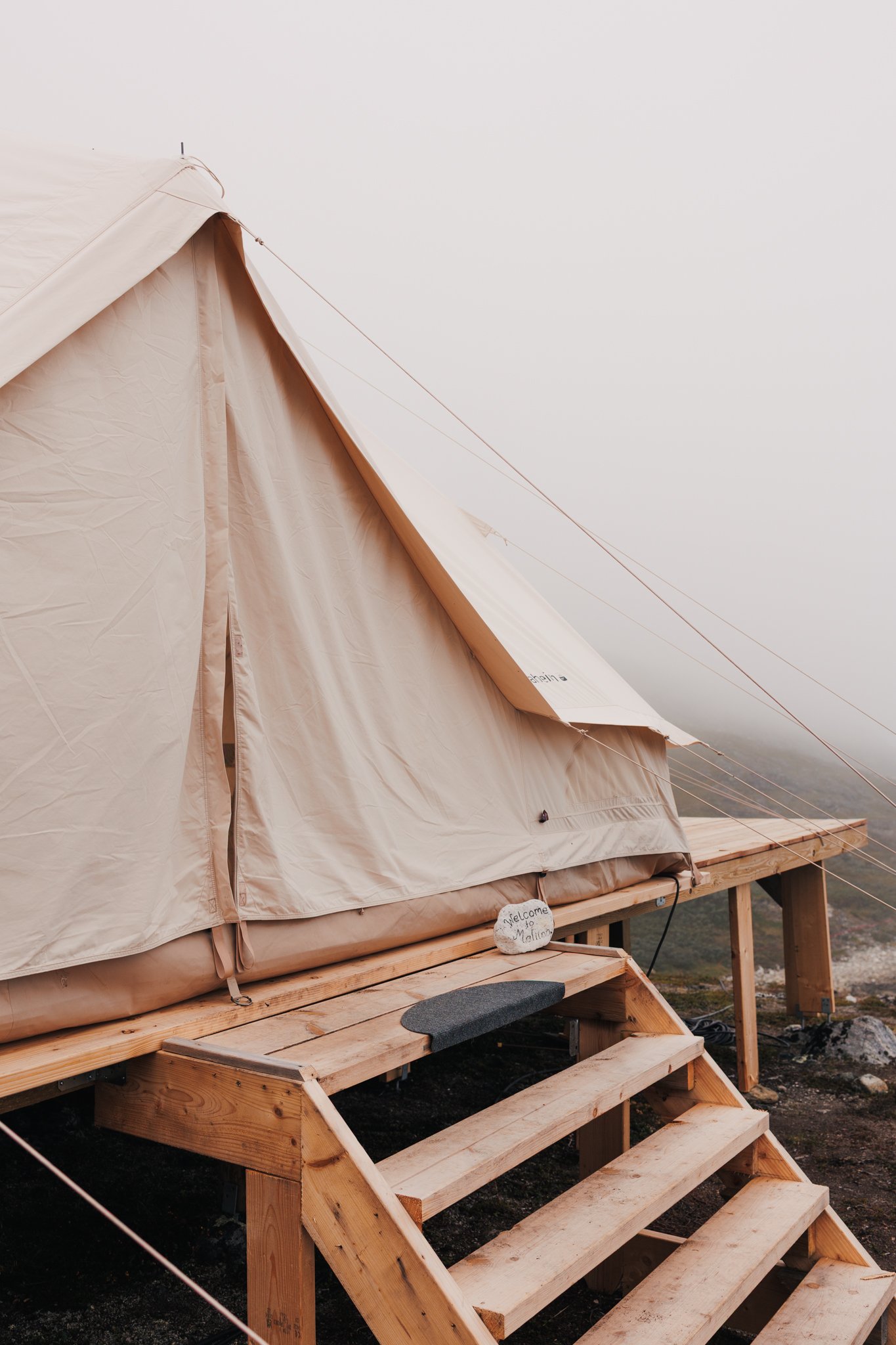
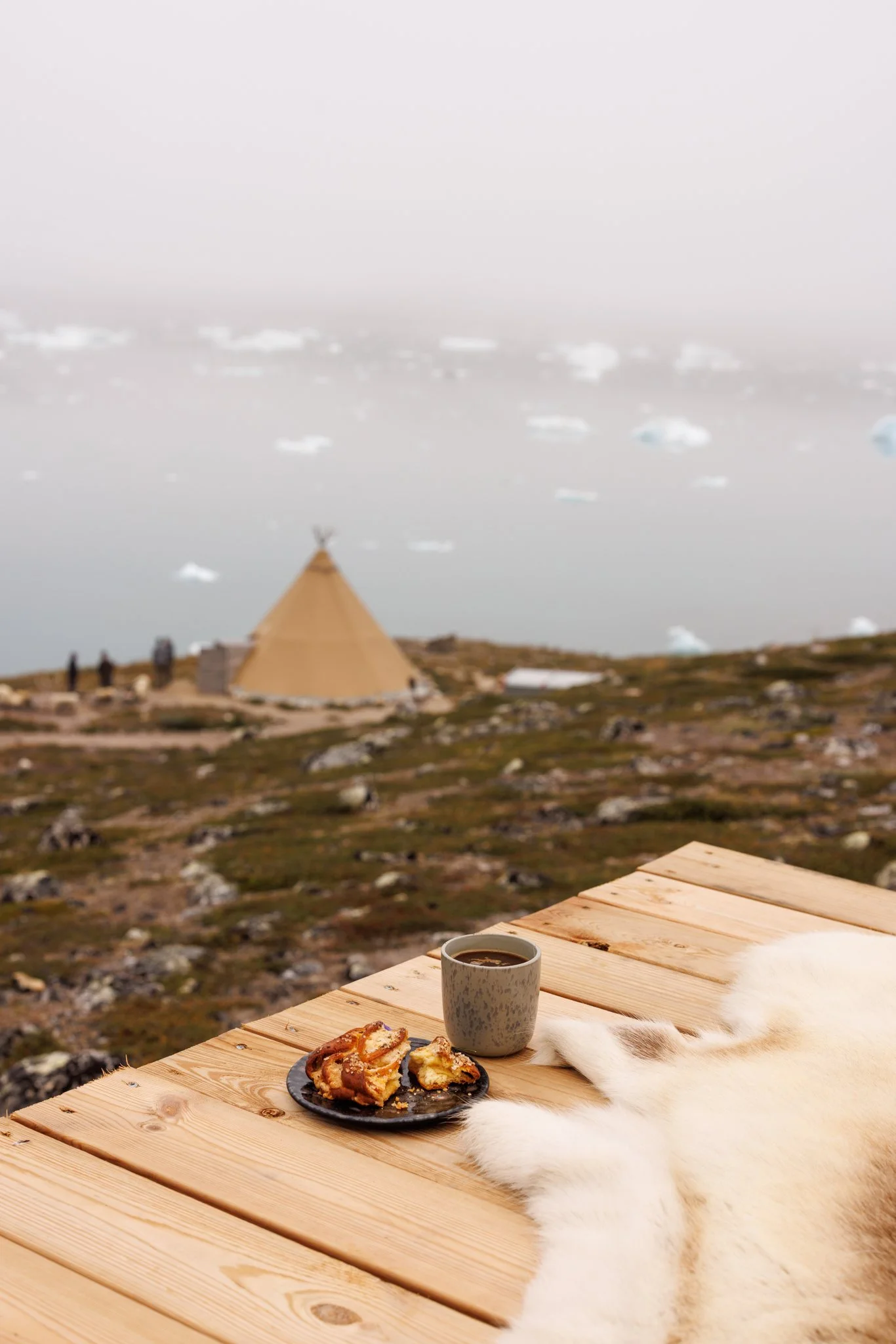
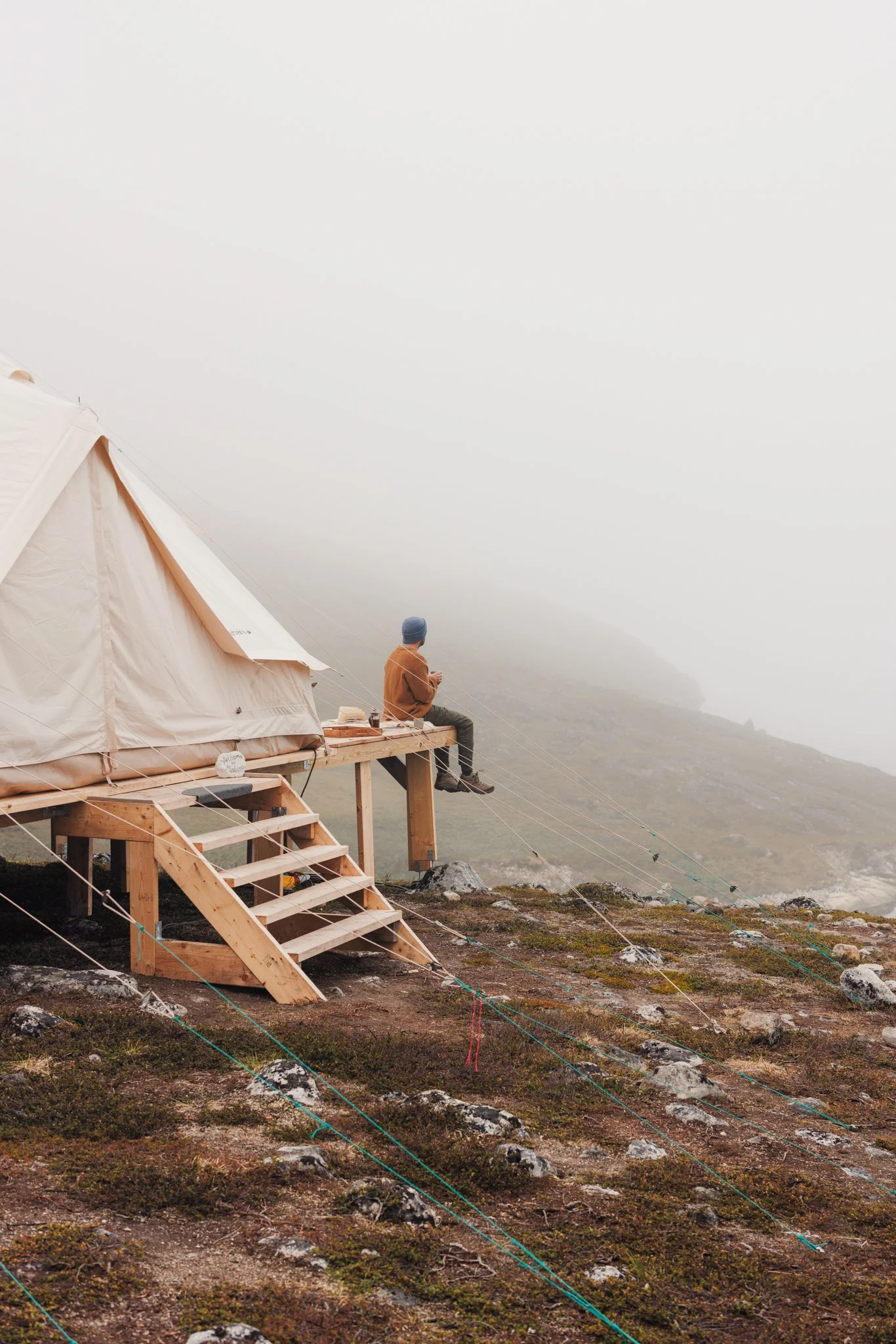
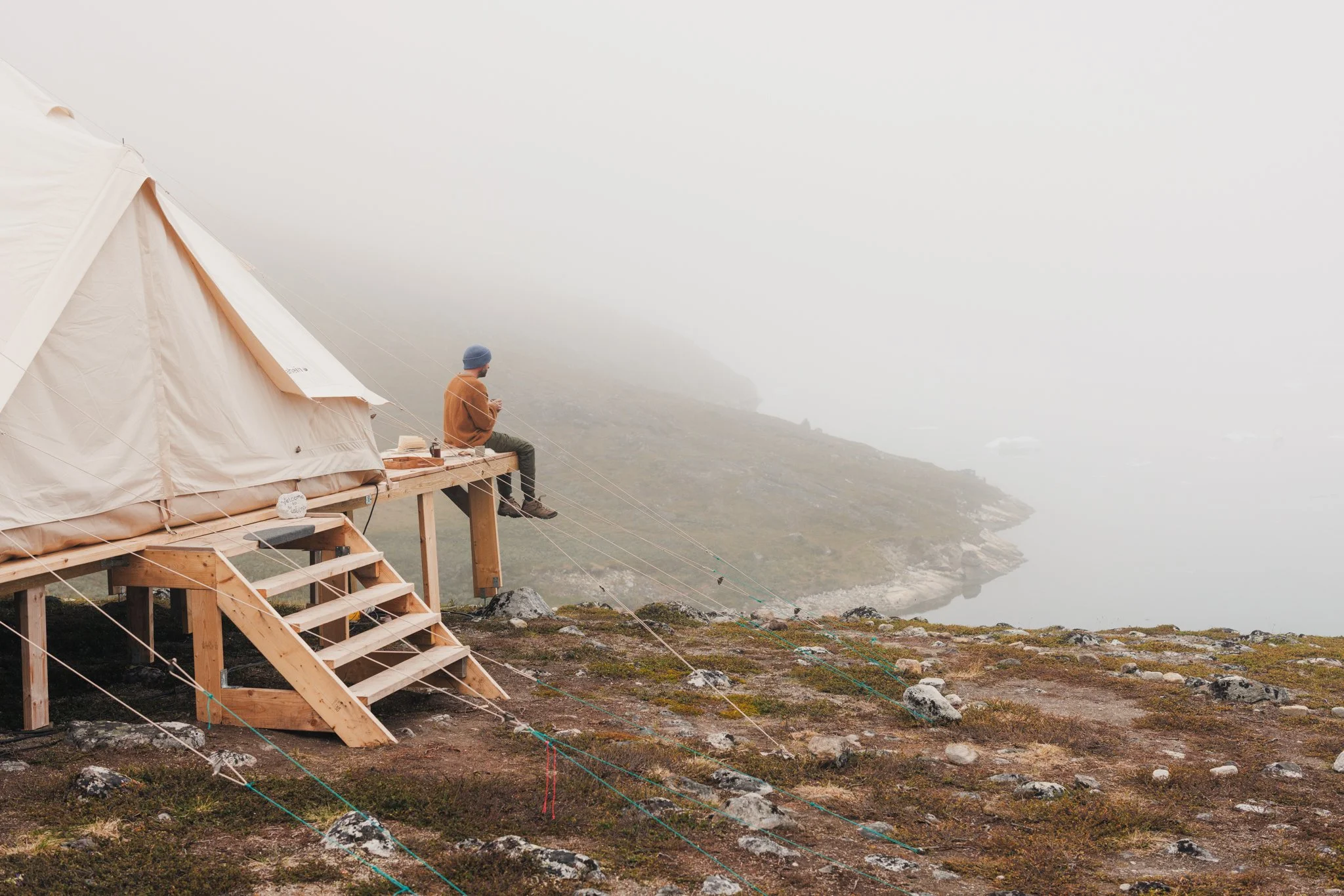
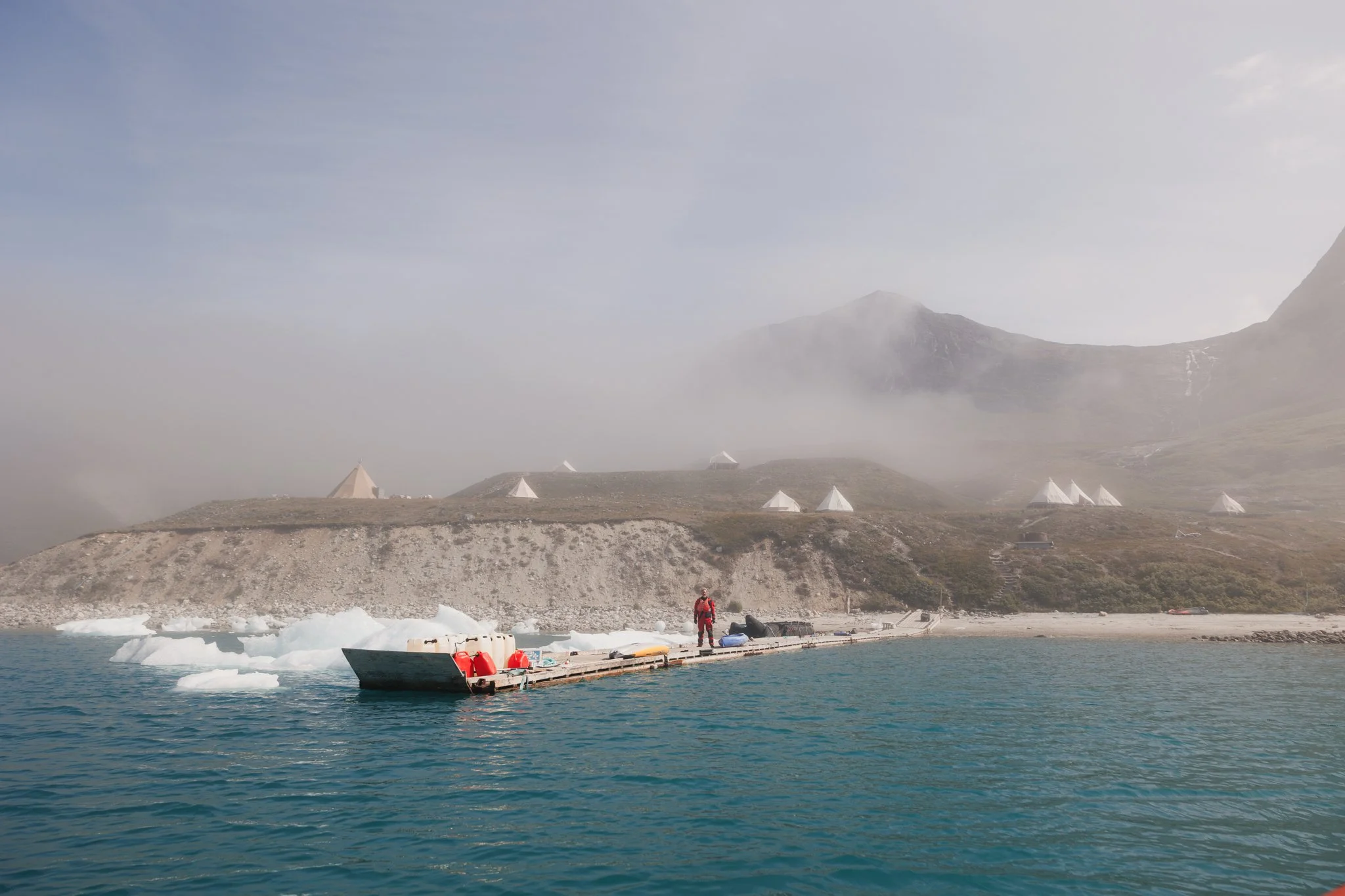
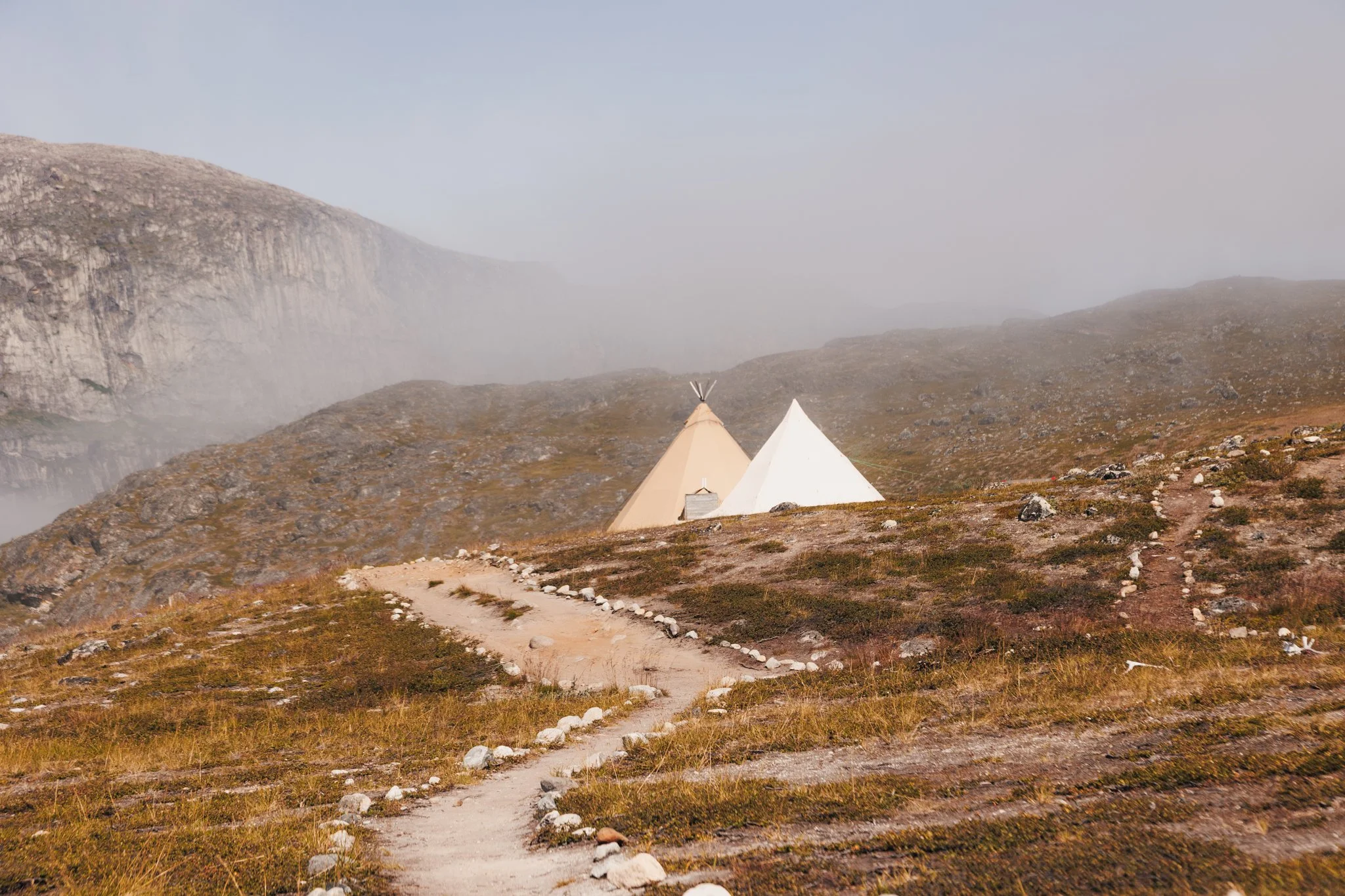
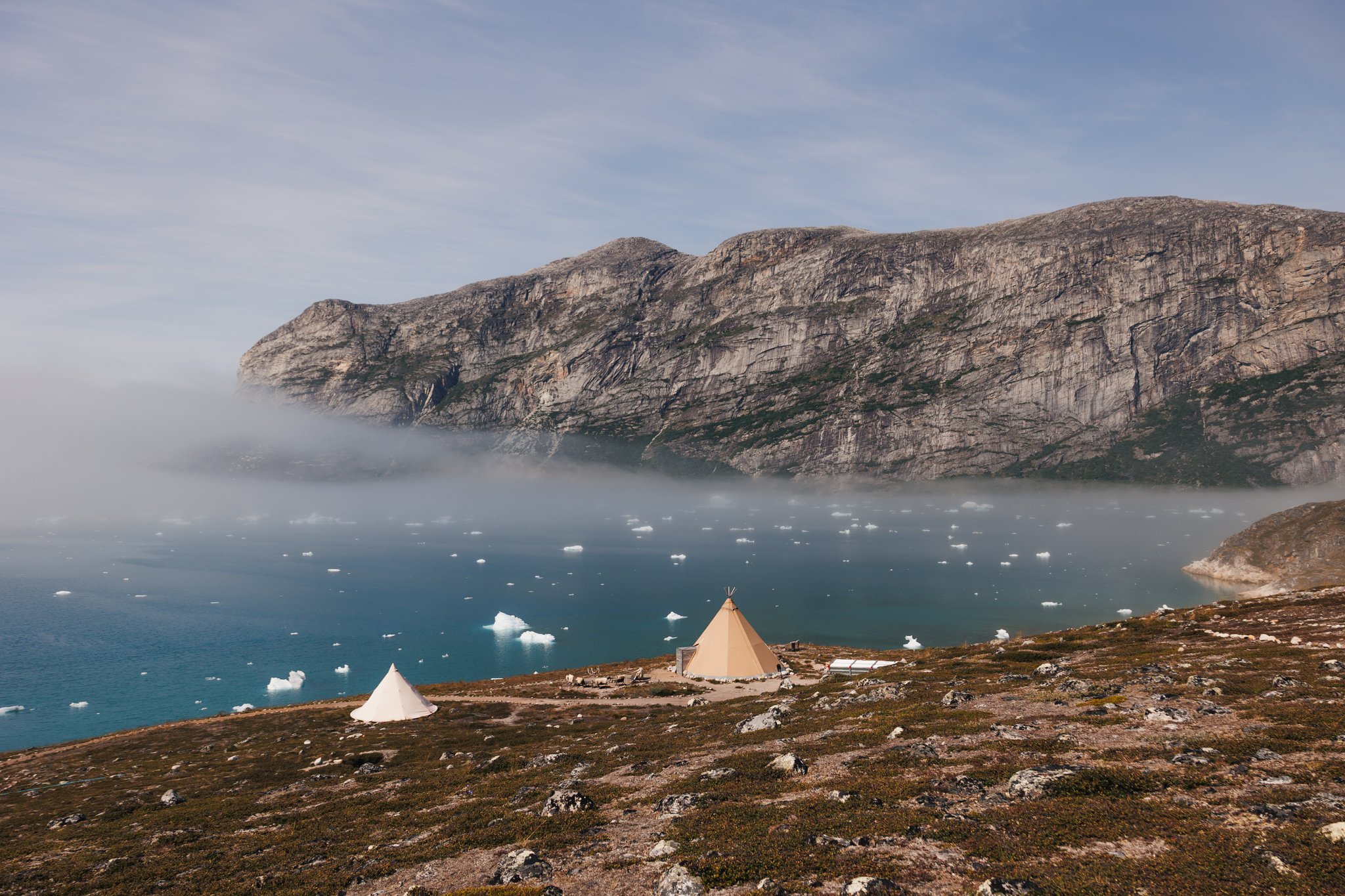
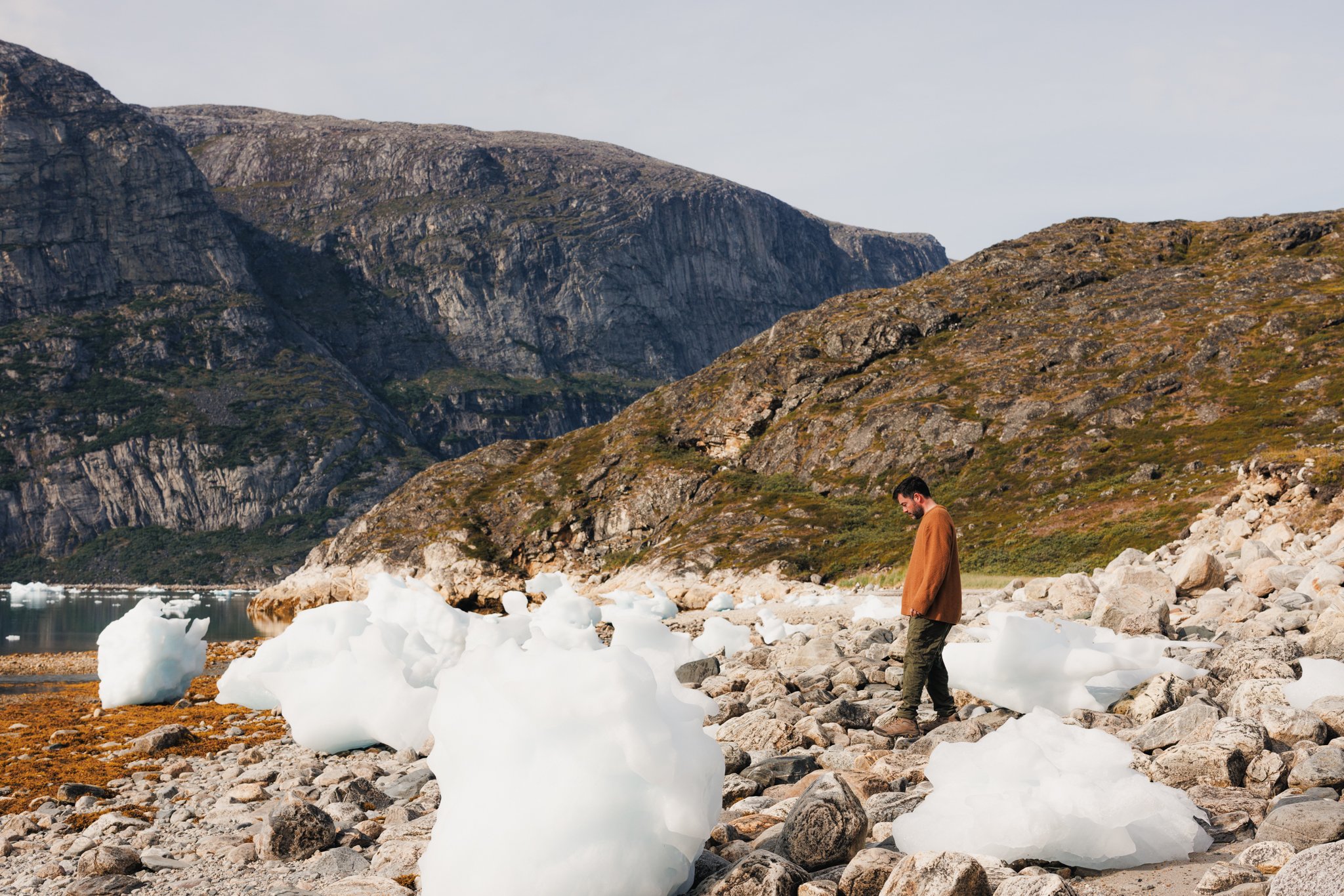
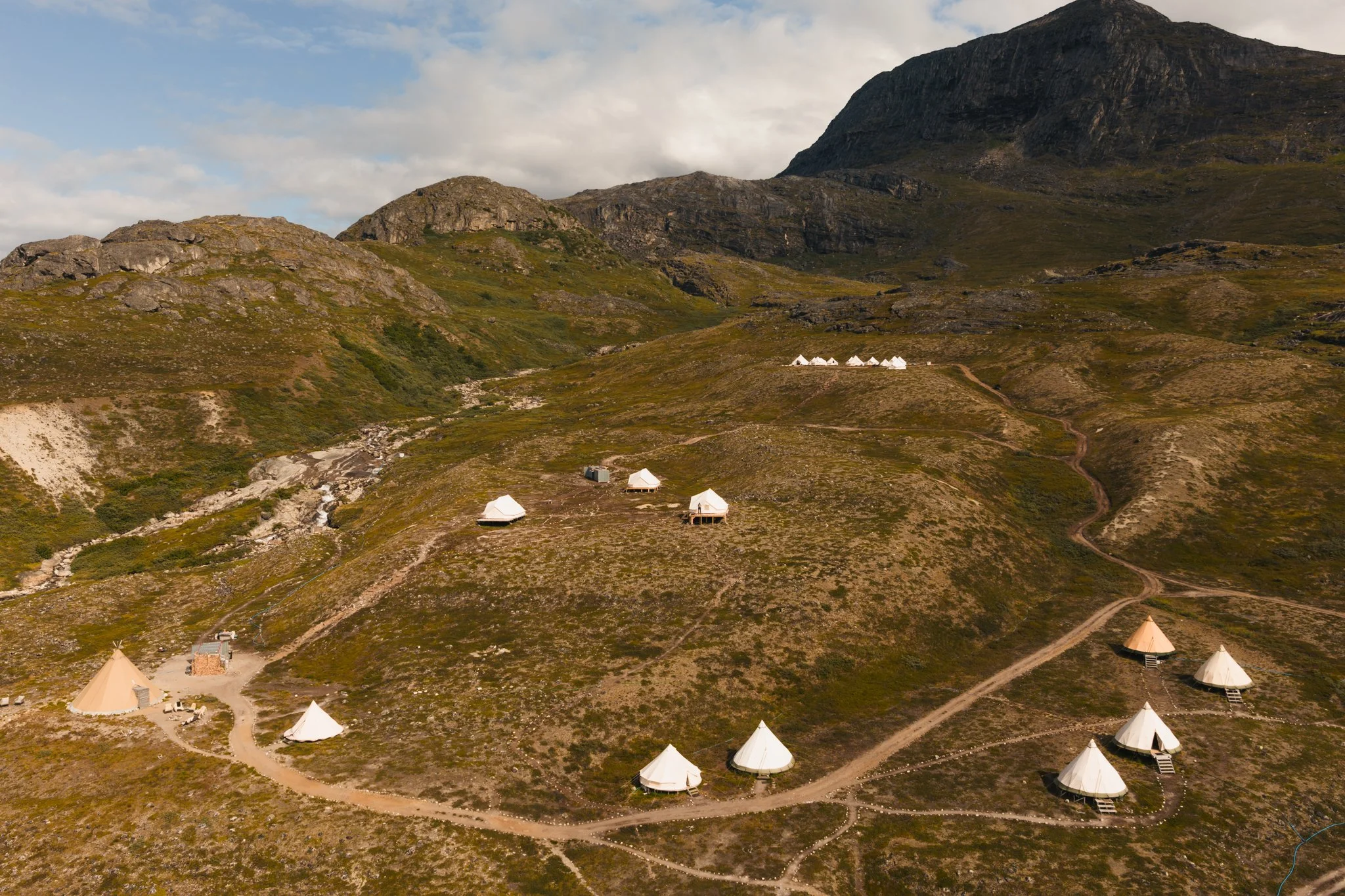
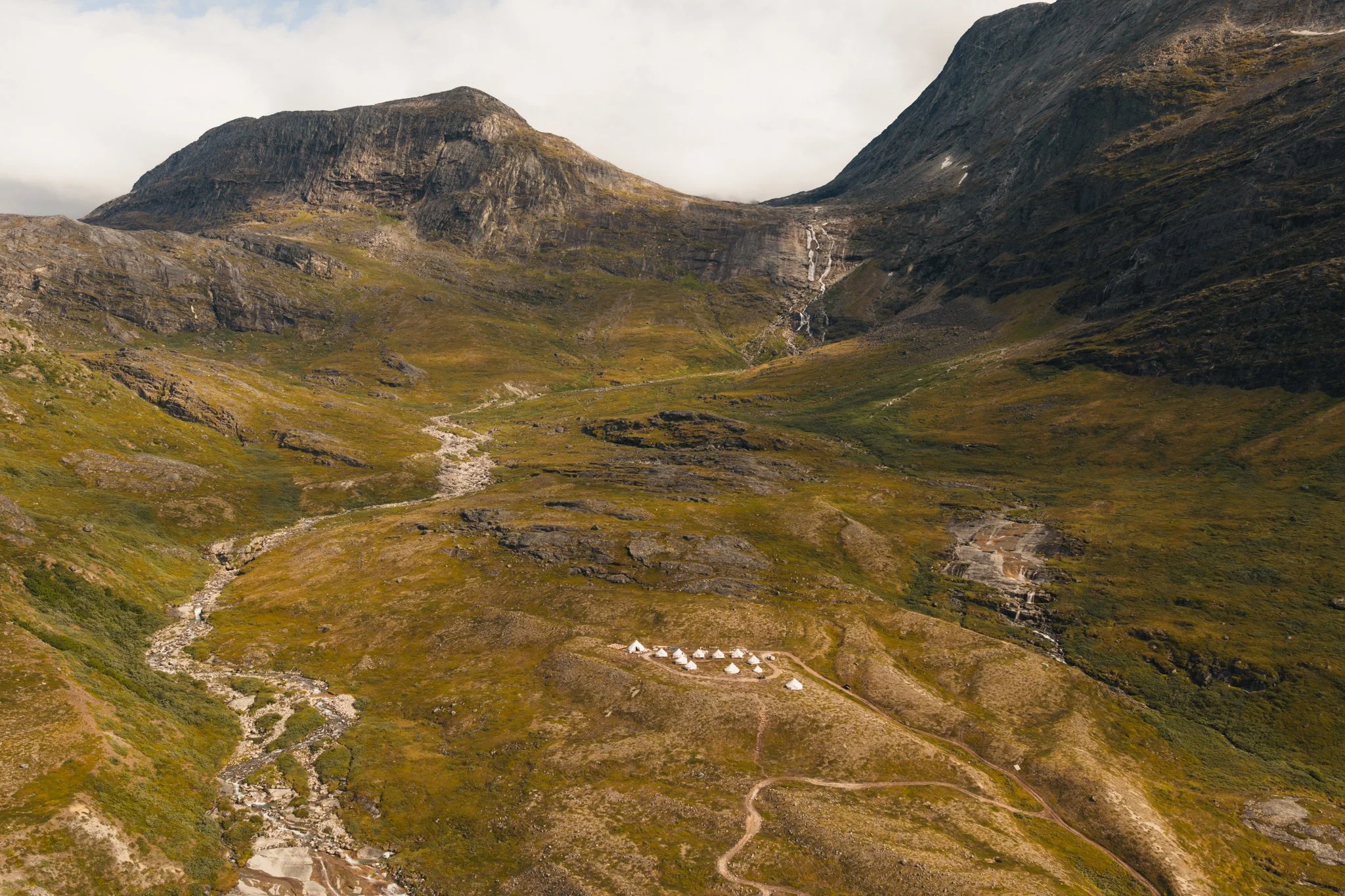
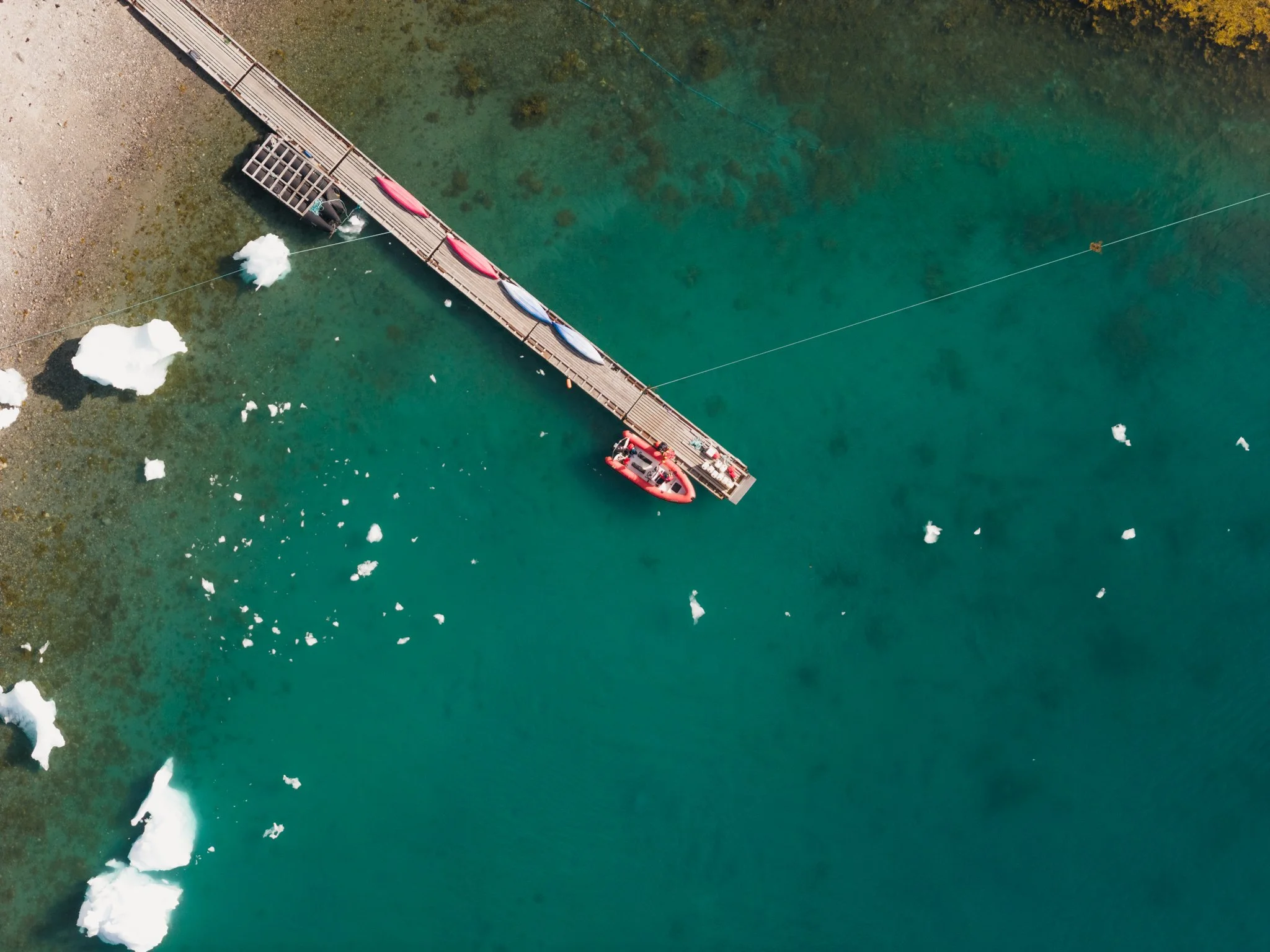
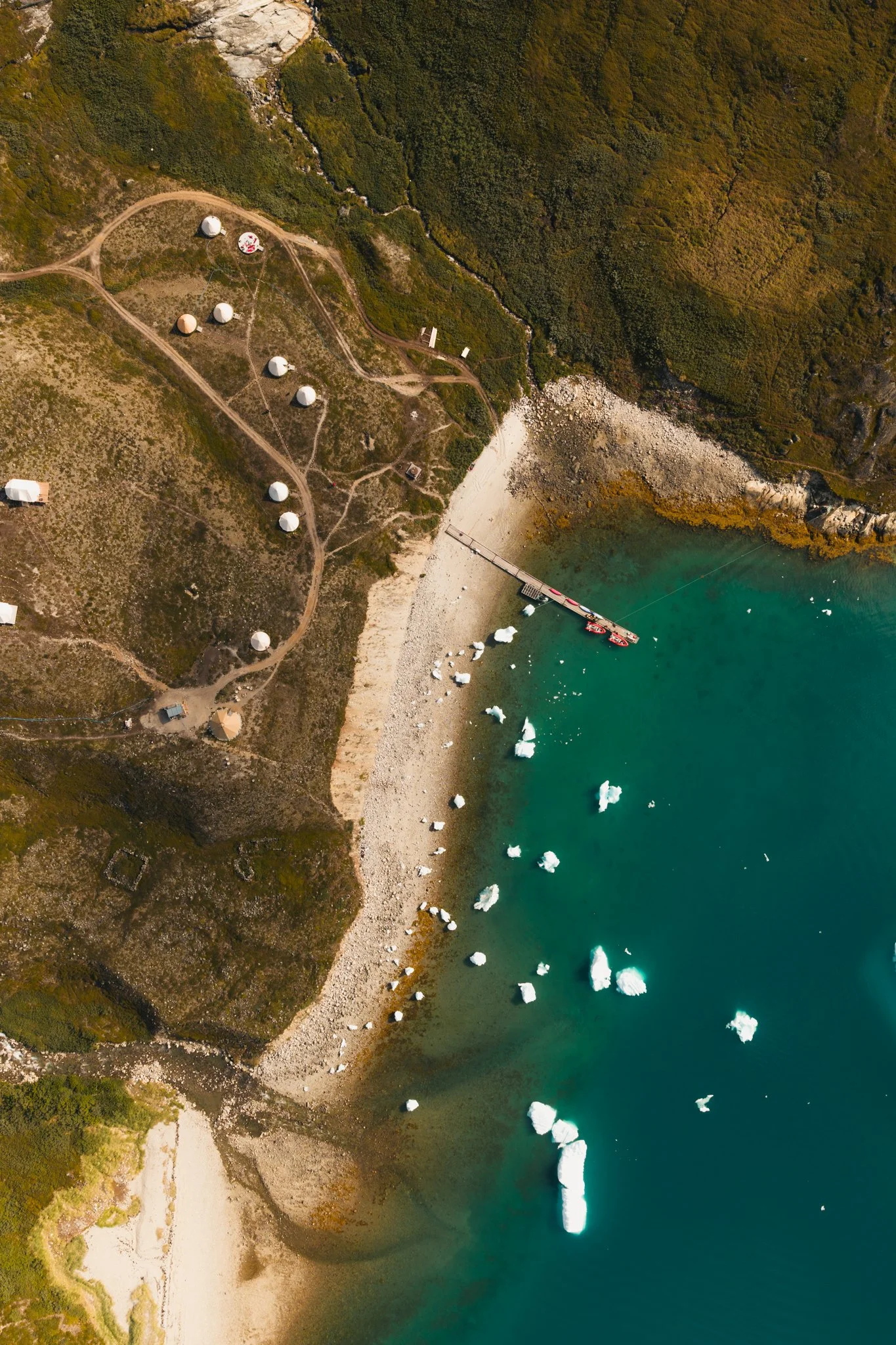
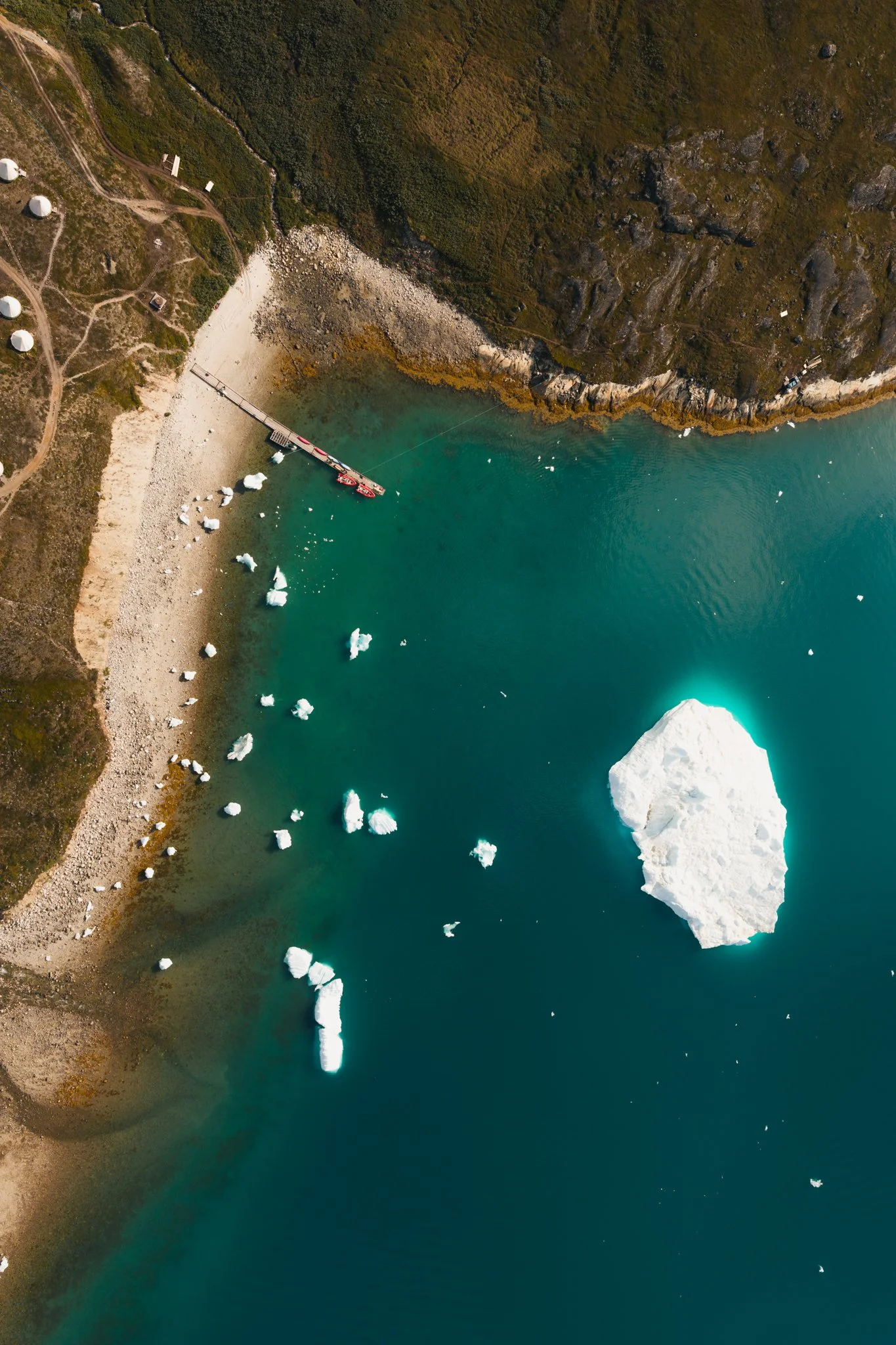
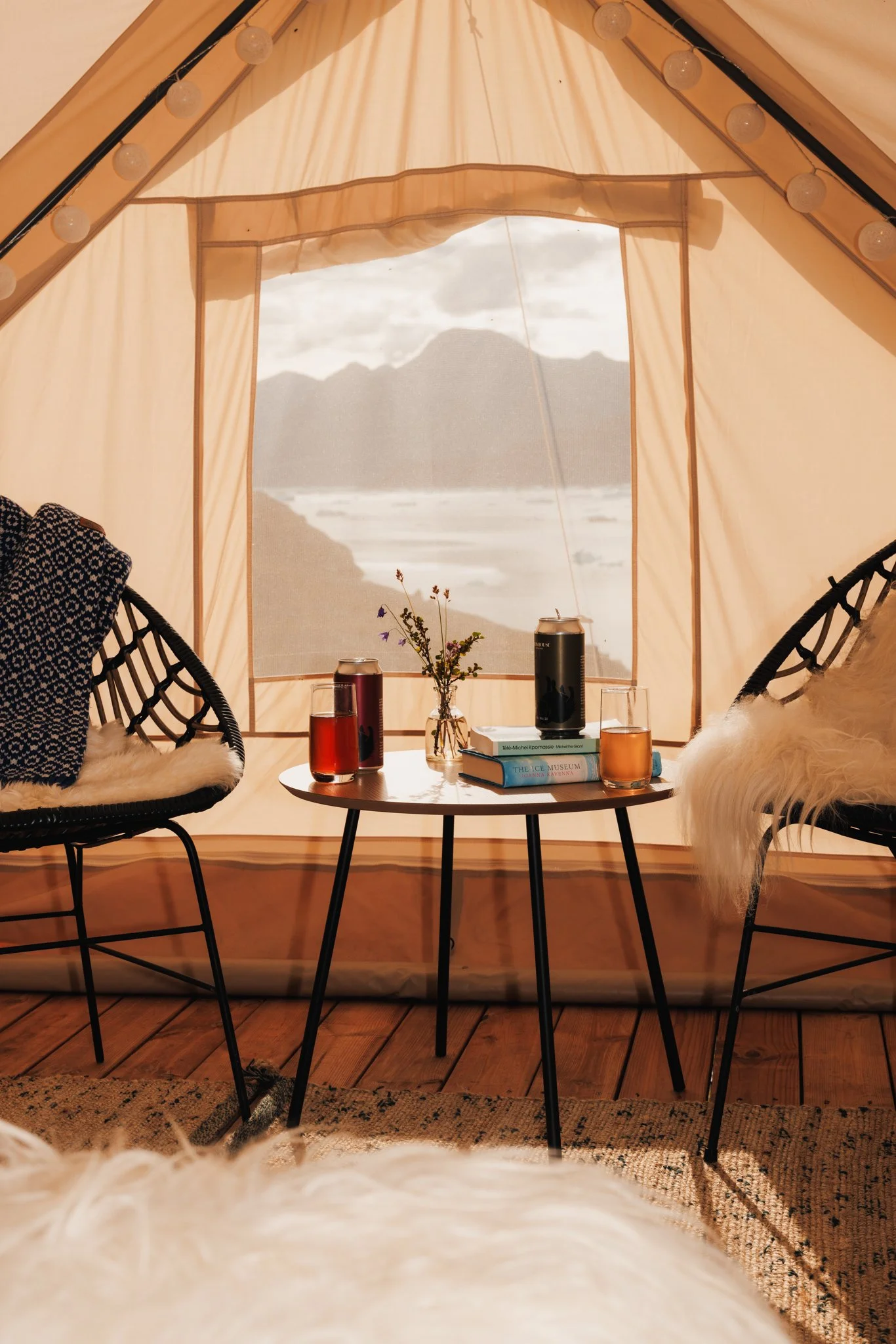
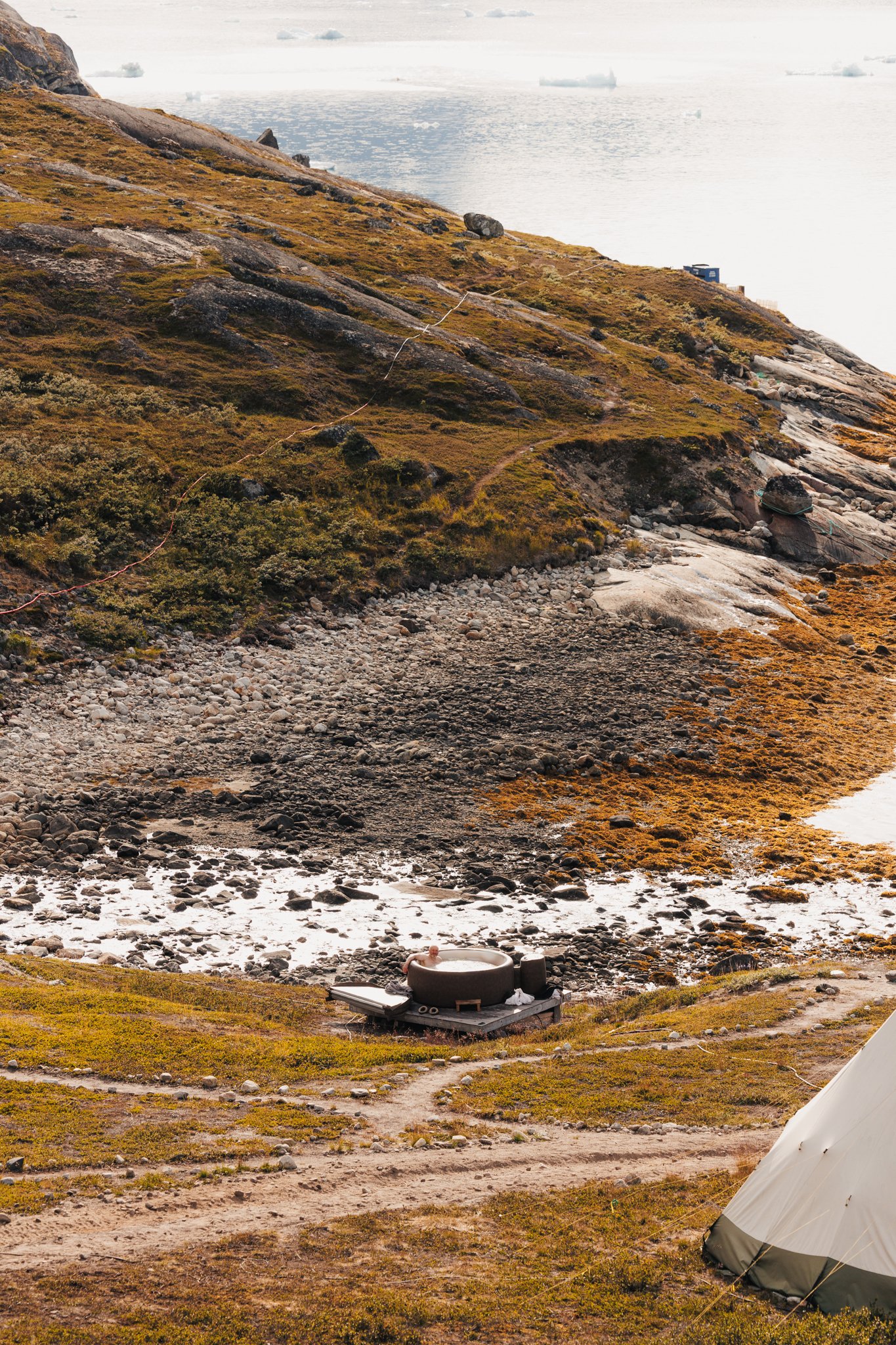
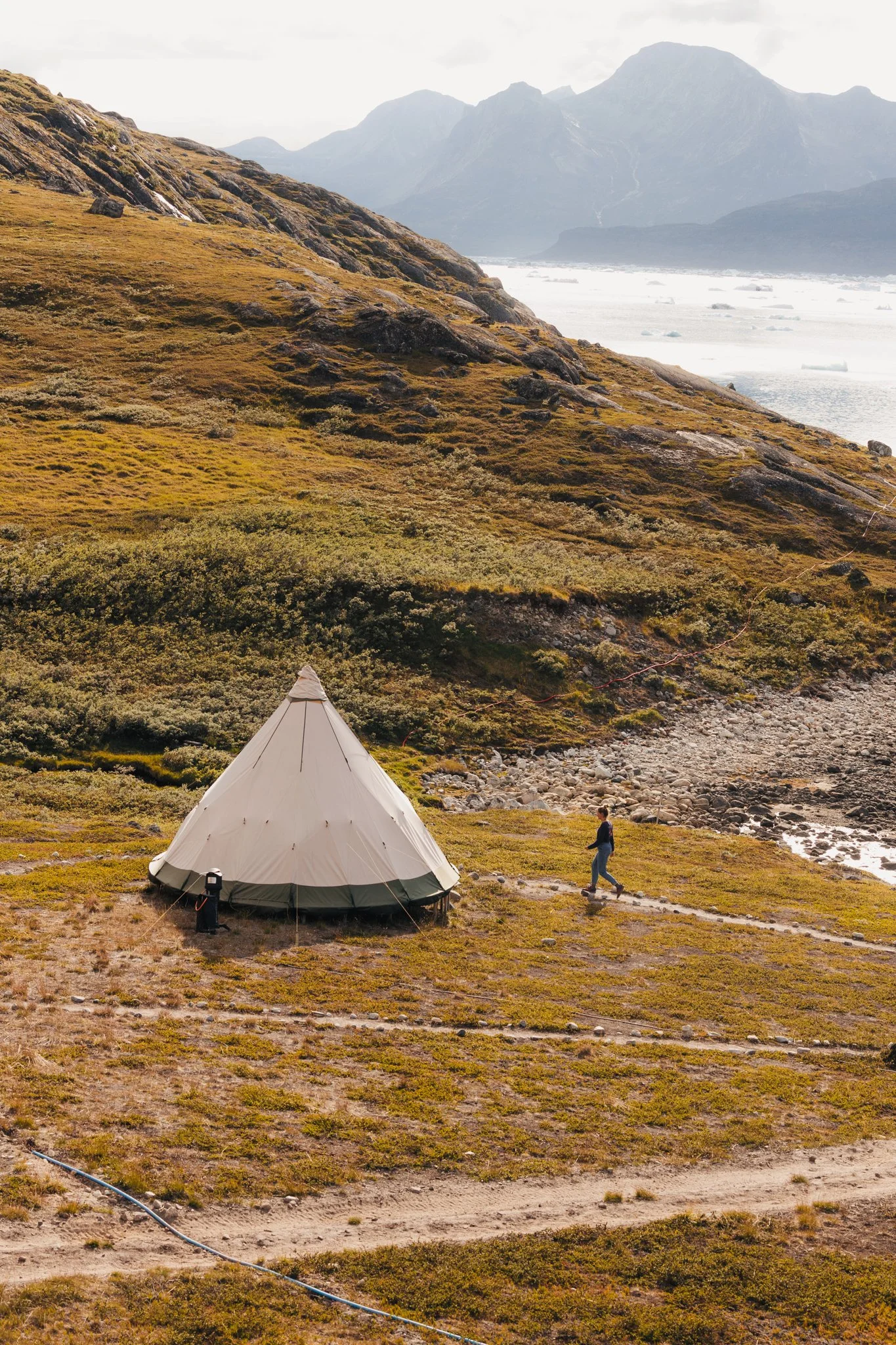
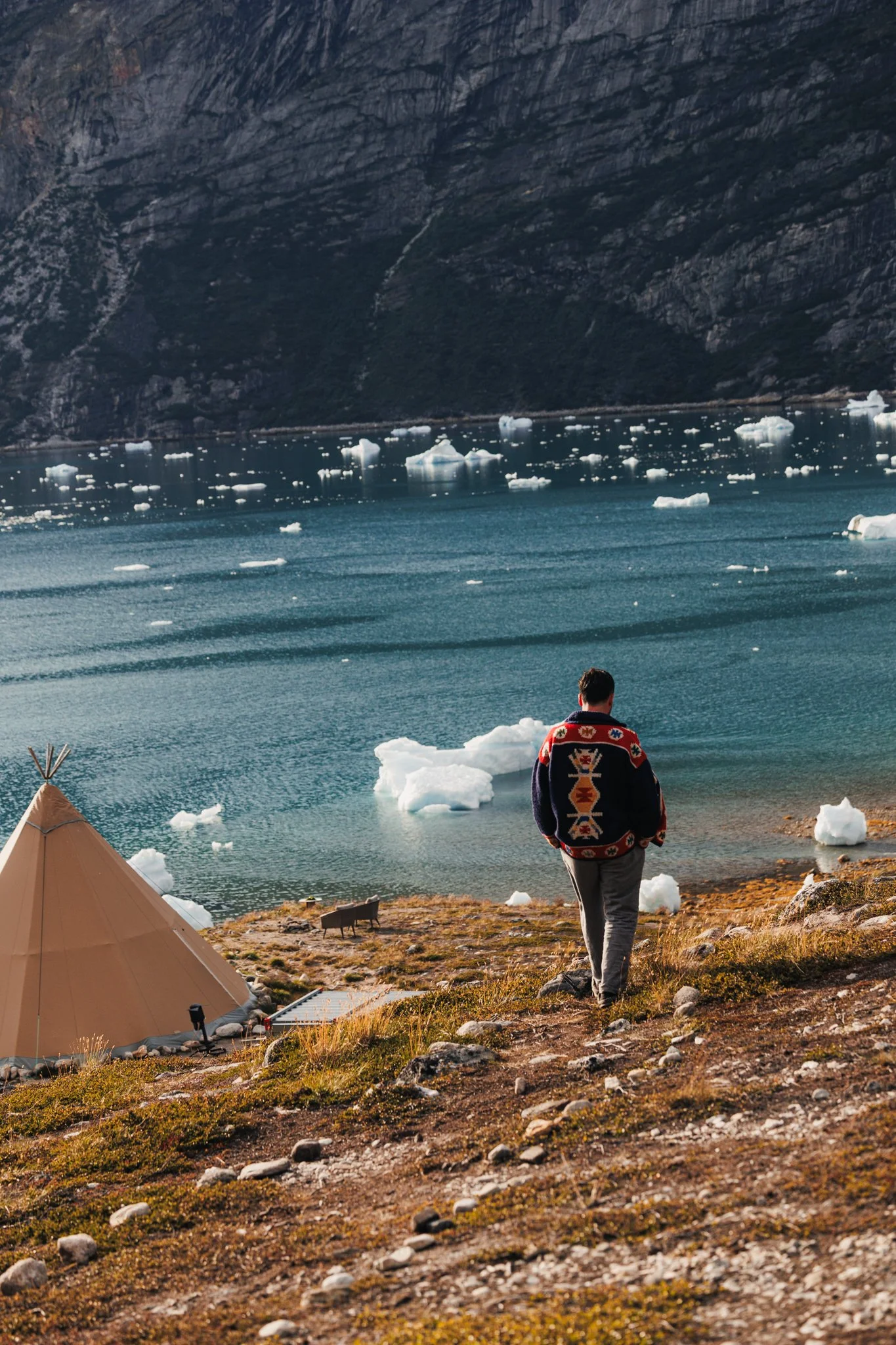
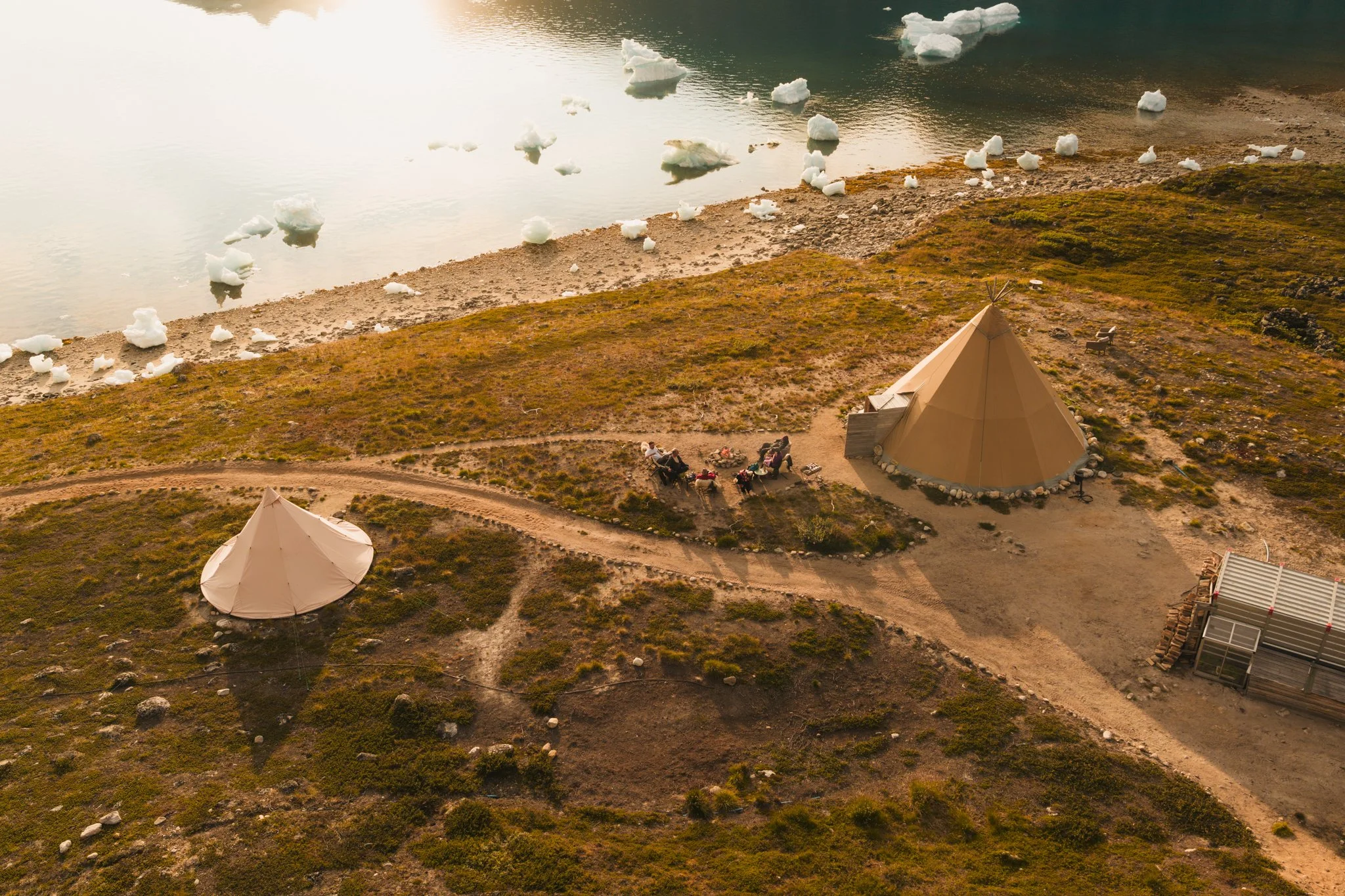
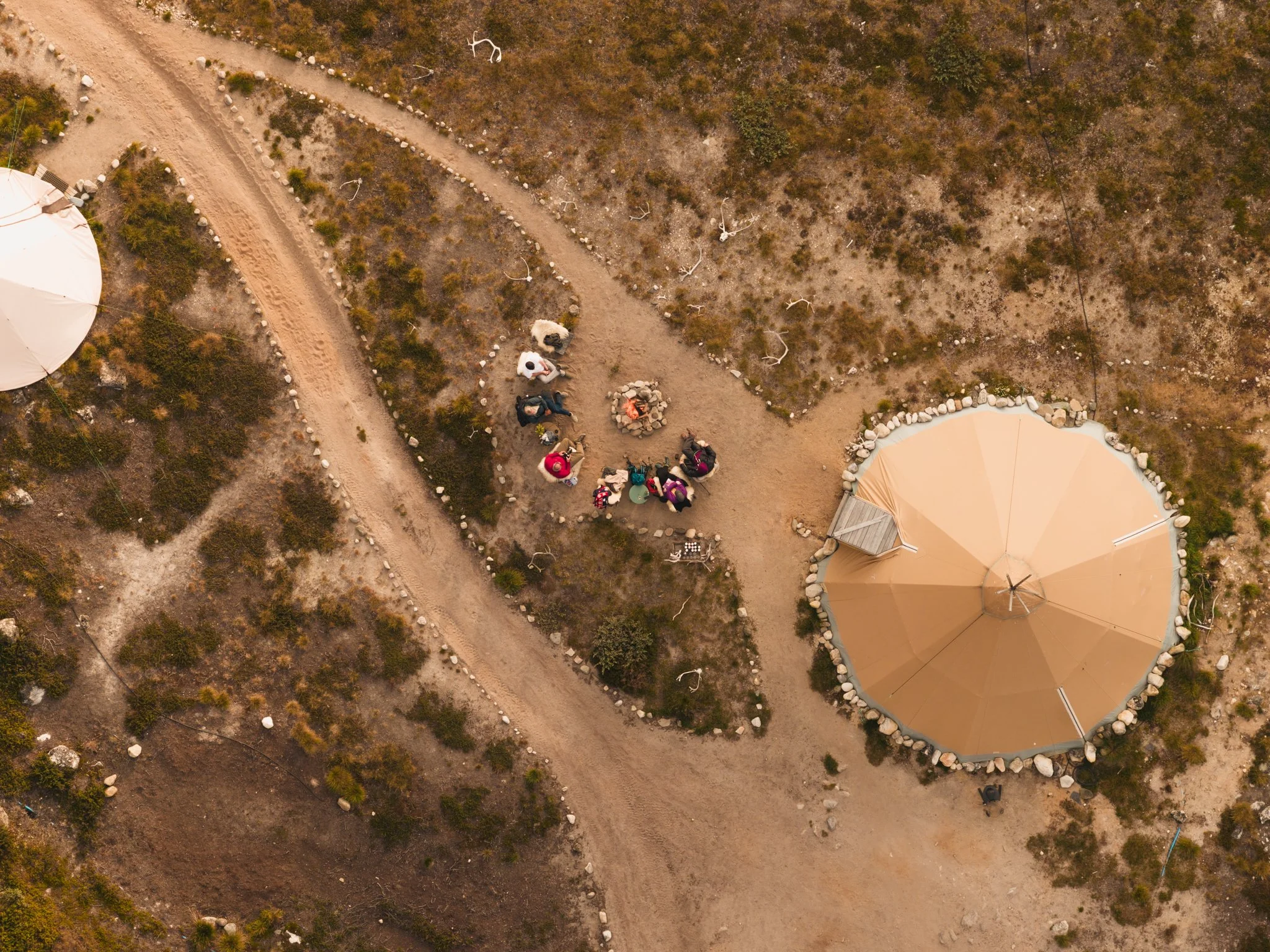
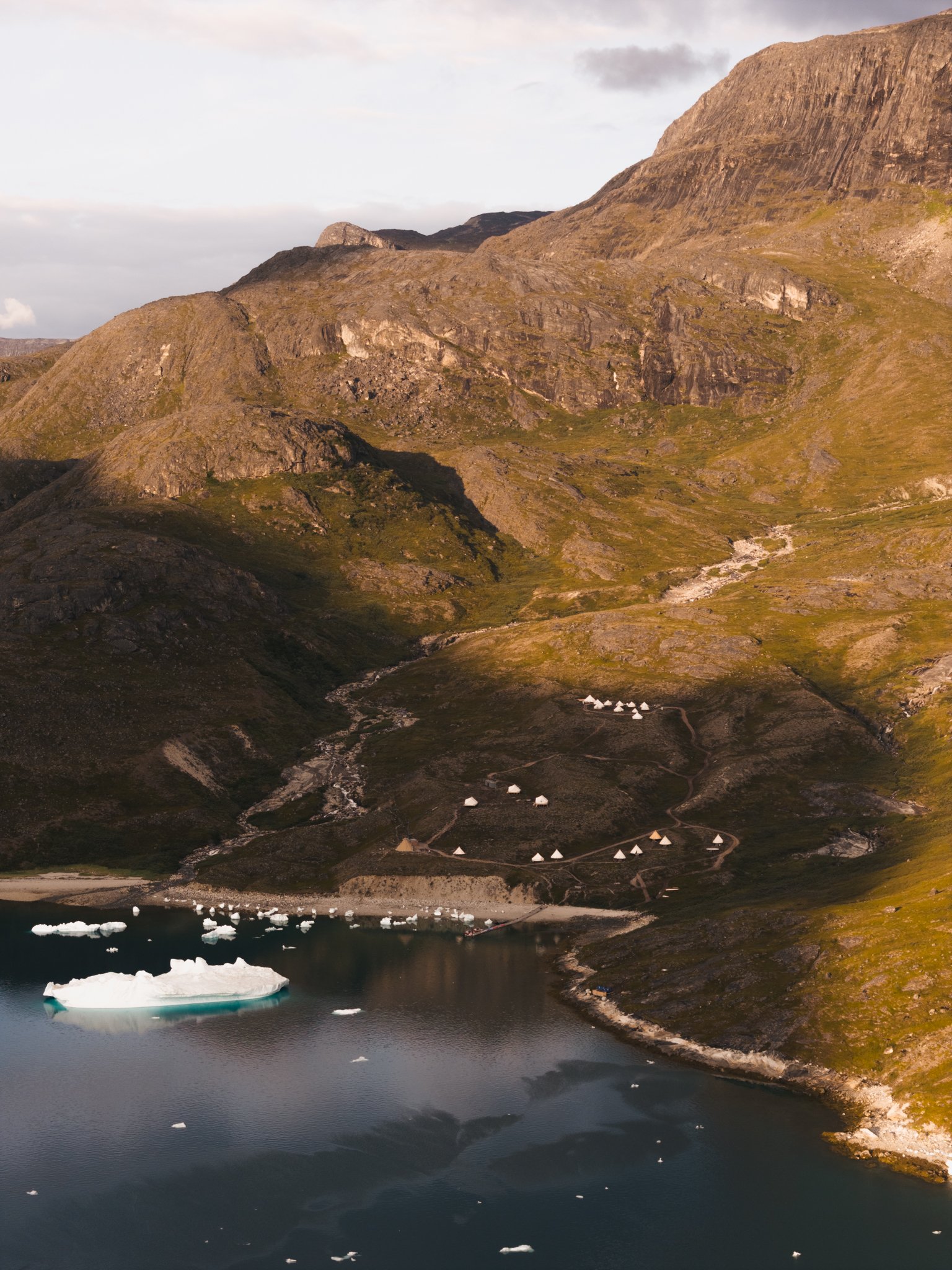
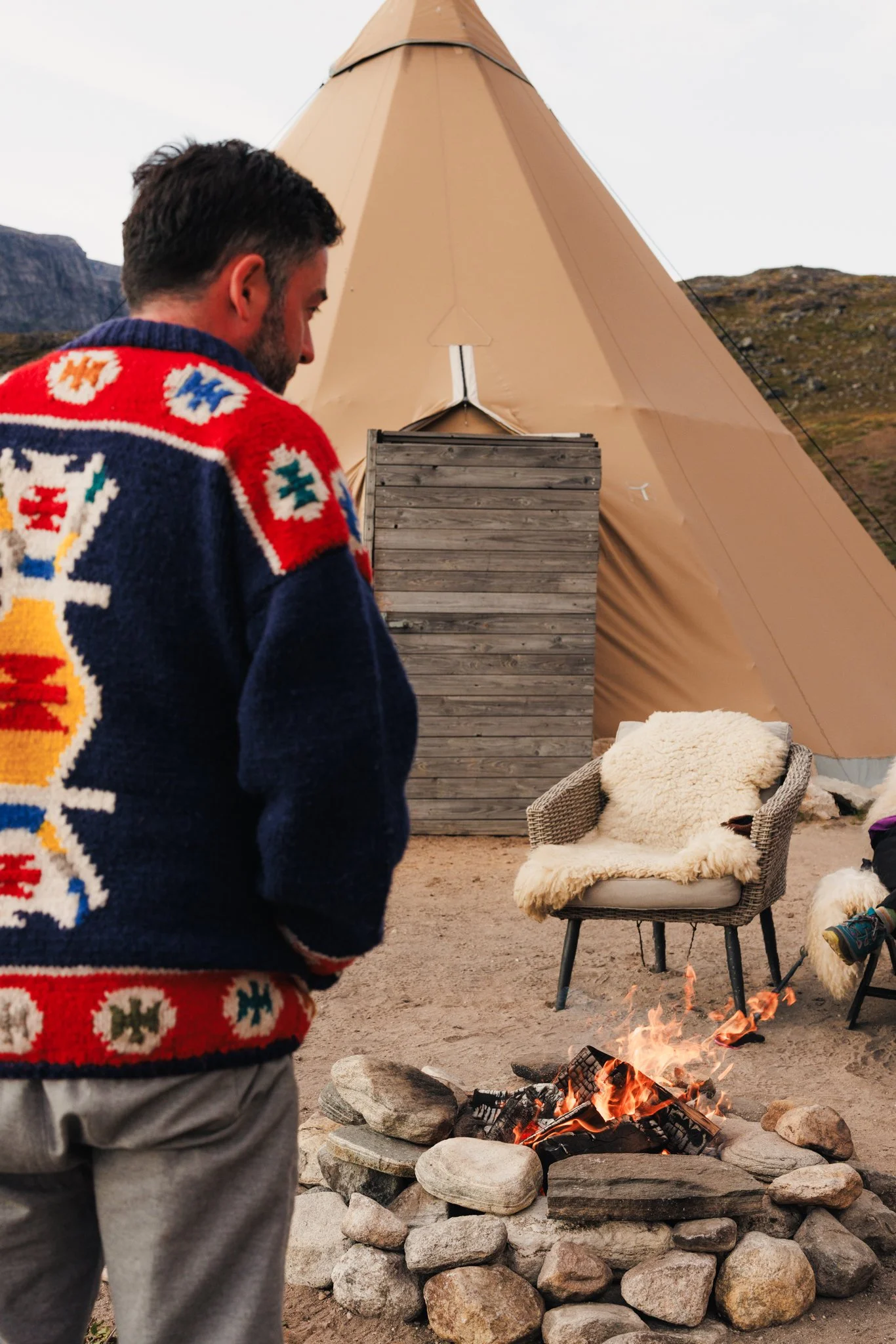
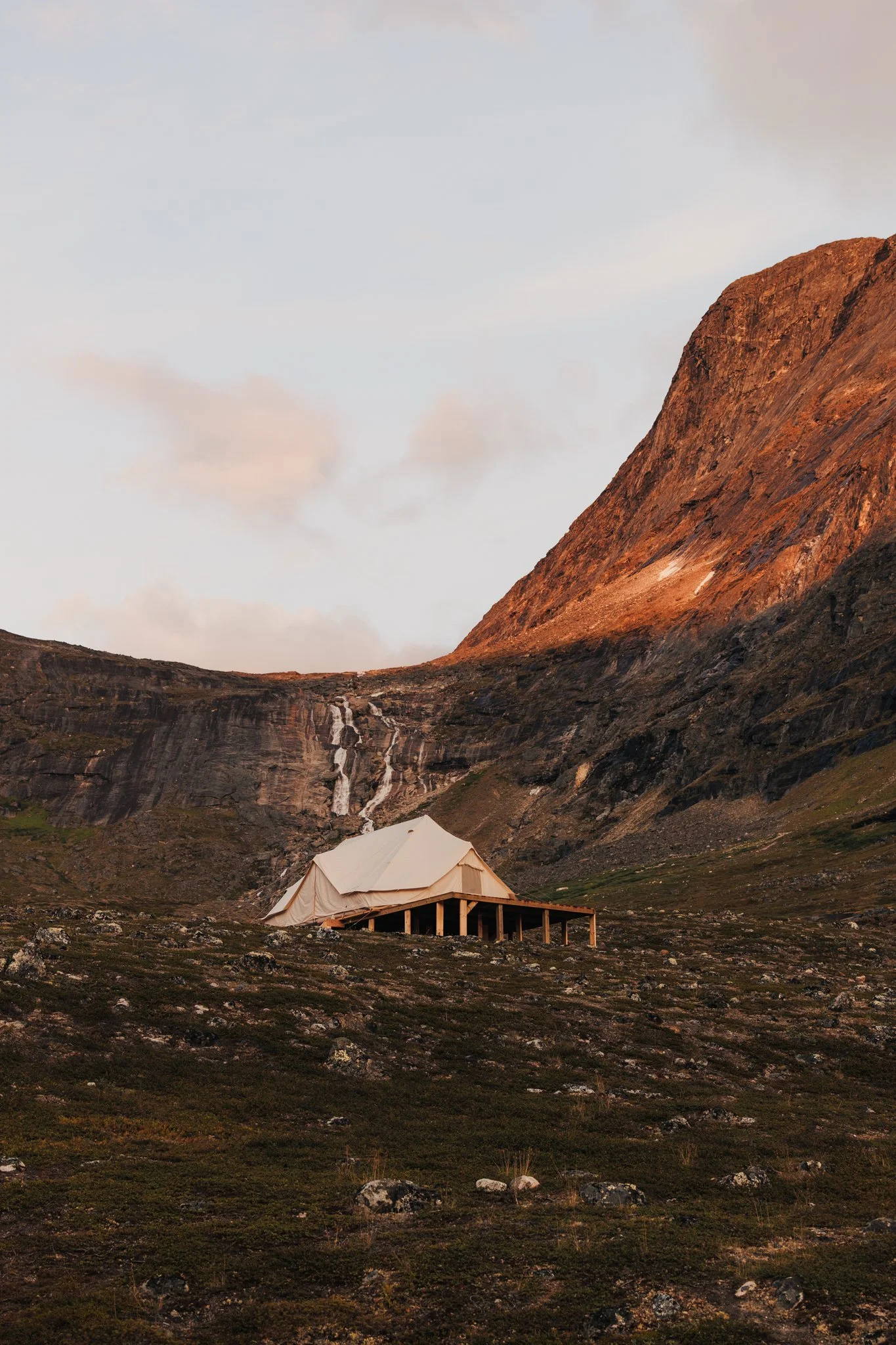
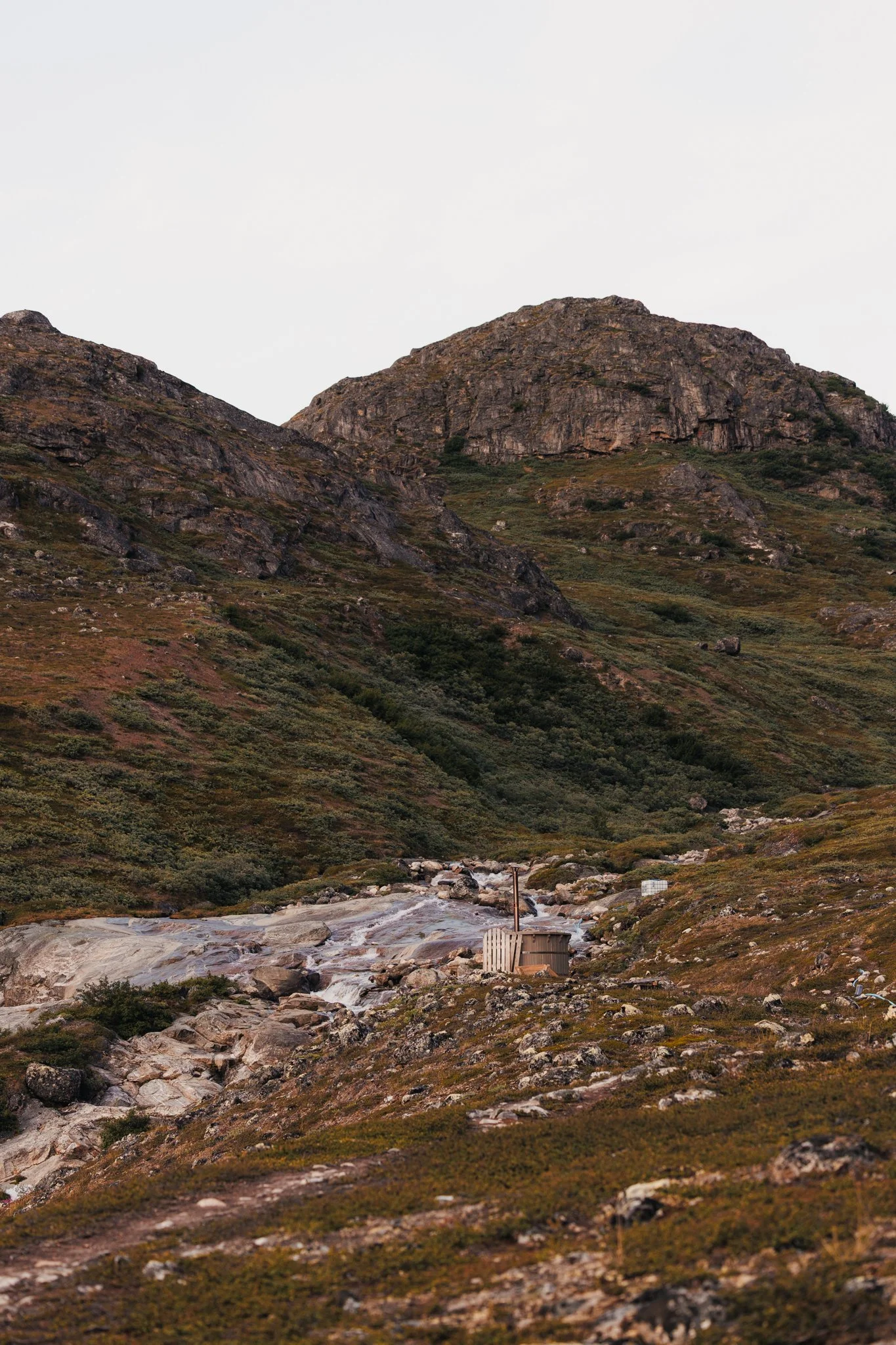
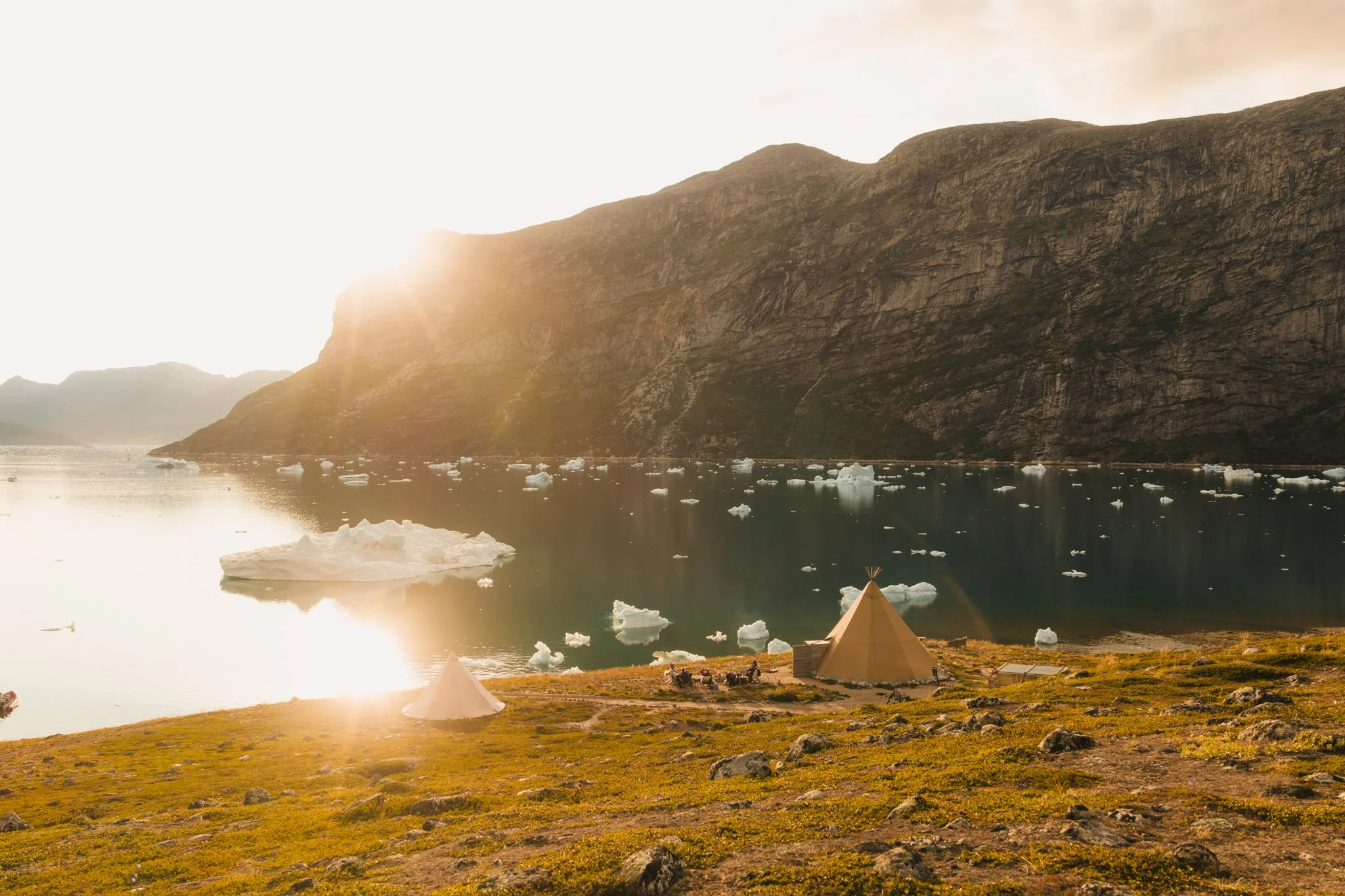
The camp appears suddenly around the final bend, a small geometry of tents and dock set against an absurd scale of cliff and sky. It is a seasonal fiction, assembled for the short habitable summer and dismantled again when the midnight sun begins to slip away. From the water, the teepees read as an idea pitched against drifting ice. Up close, they reveal a careful kind of comfort, engineered for people who have traveled far to feel very small in a very large place. There is heat where you do not expect it, and private bathrooms and hot tubs where the landscape suggests there should be none. Soft furnishings and warm light hold their own against the clean severity outside. But even with the beautiful curation, the setting does most of the persuading: a bowl of fjord and sky, cliffs and water, ice moving past as if it owns the timetable.
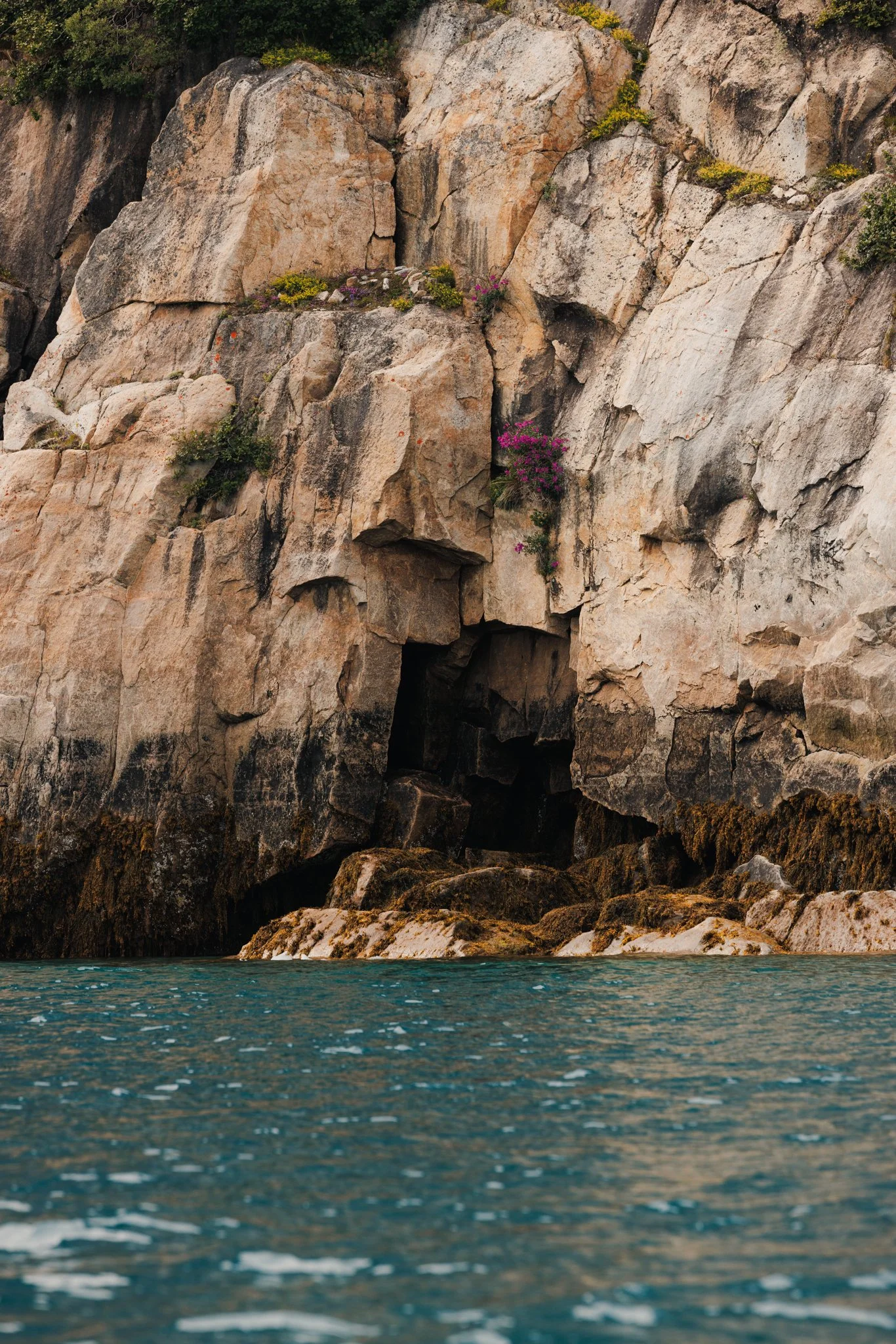
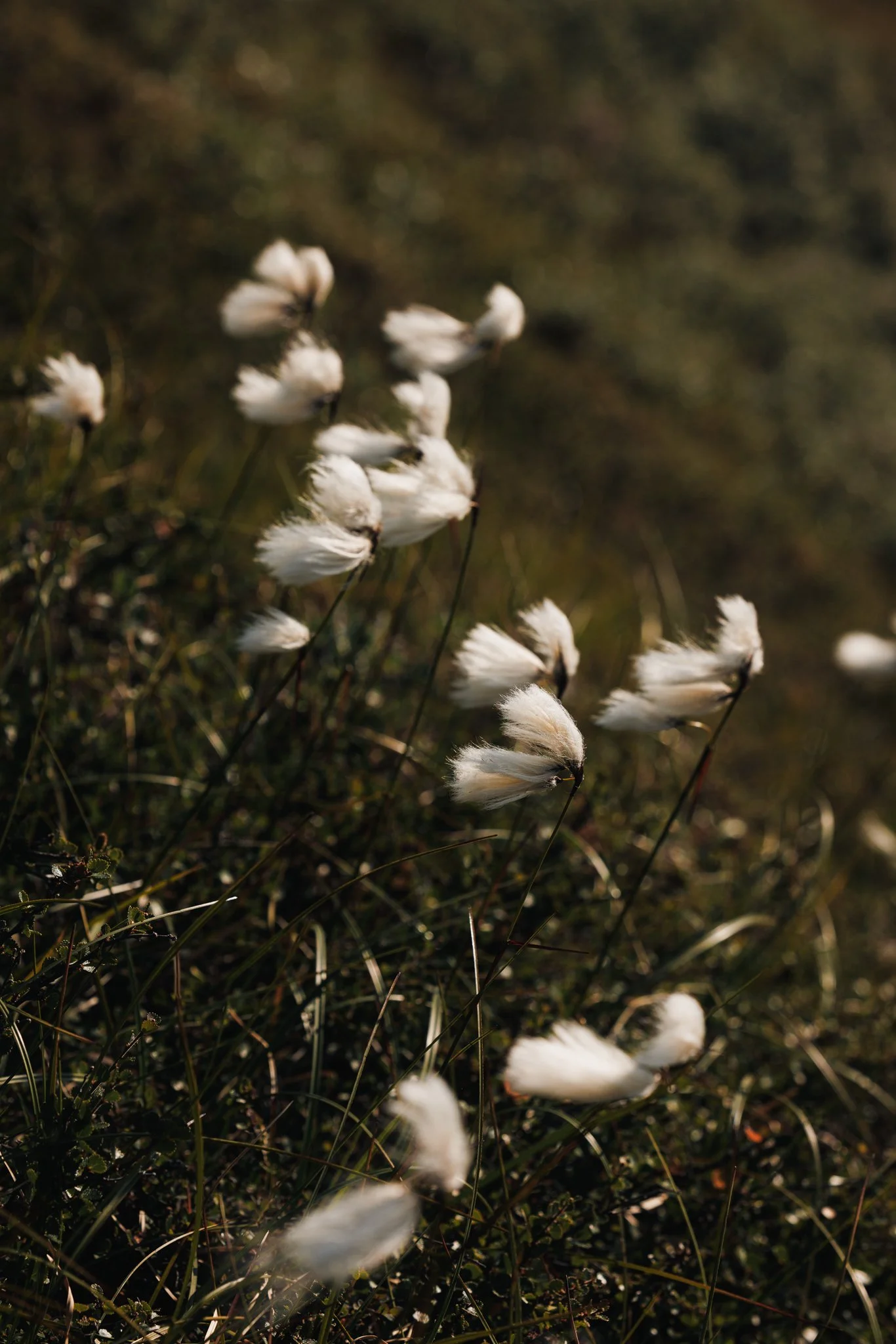
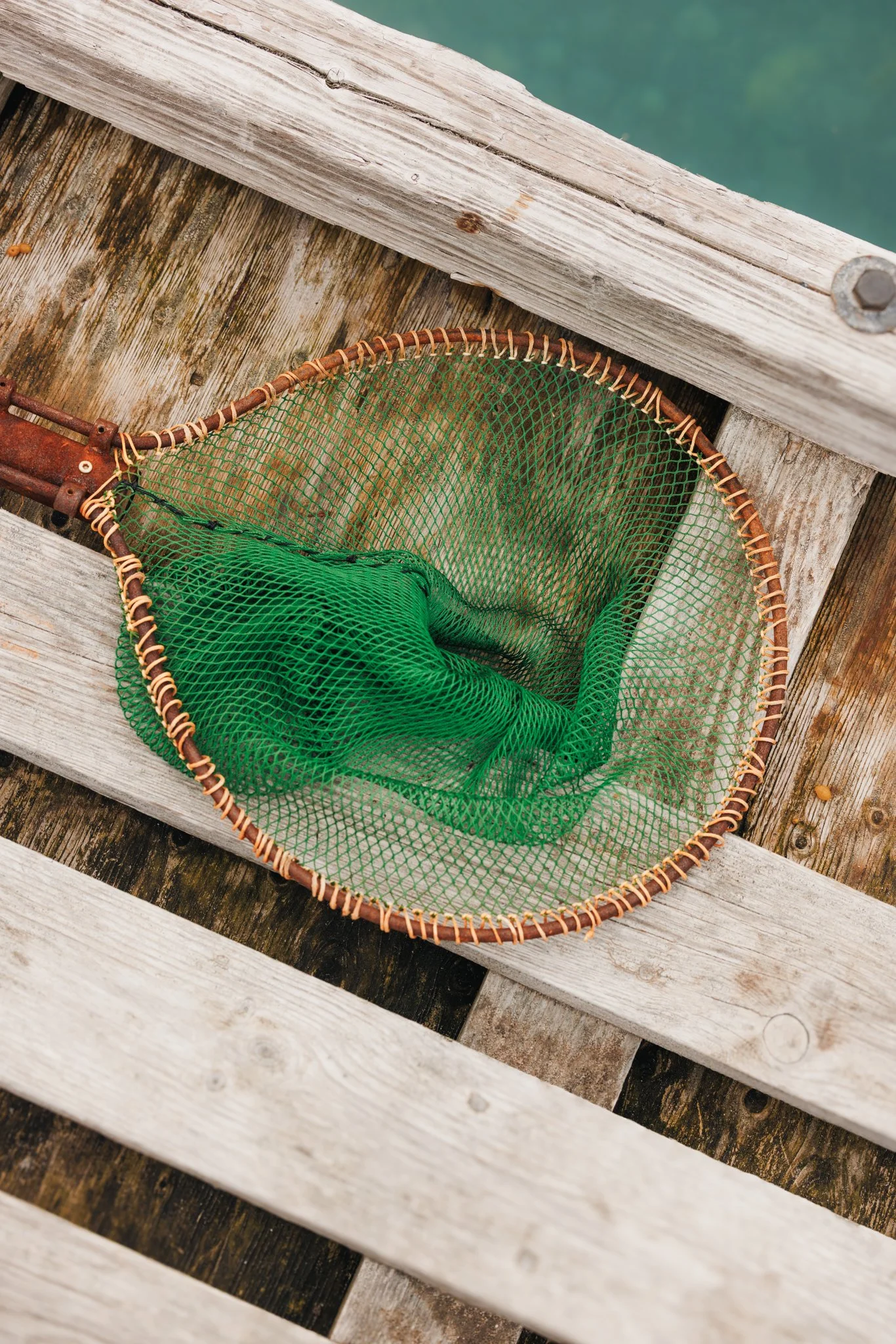
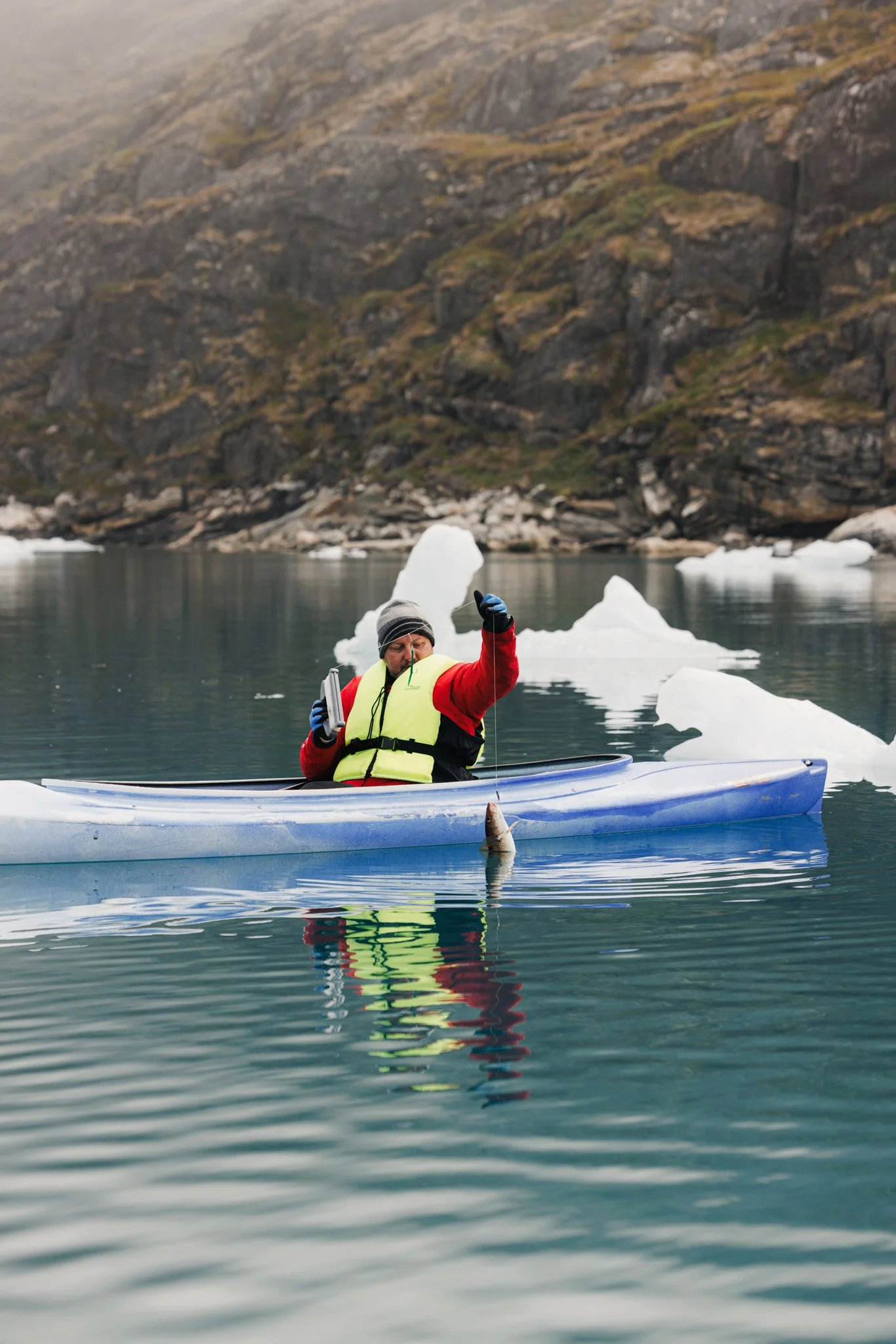
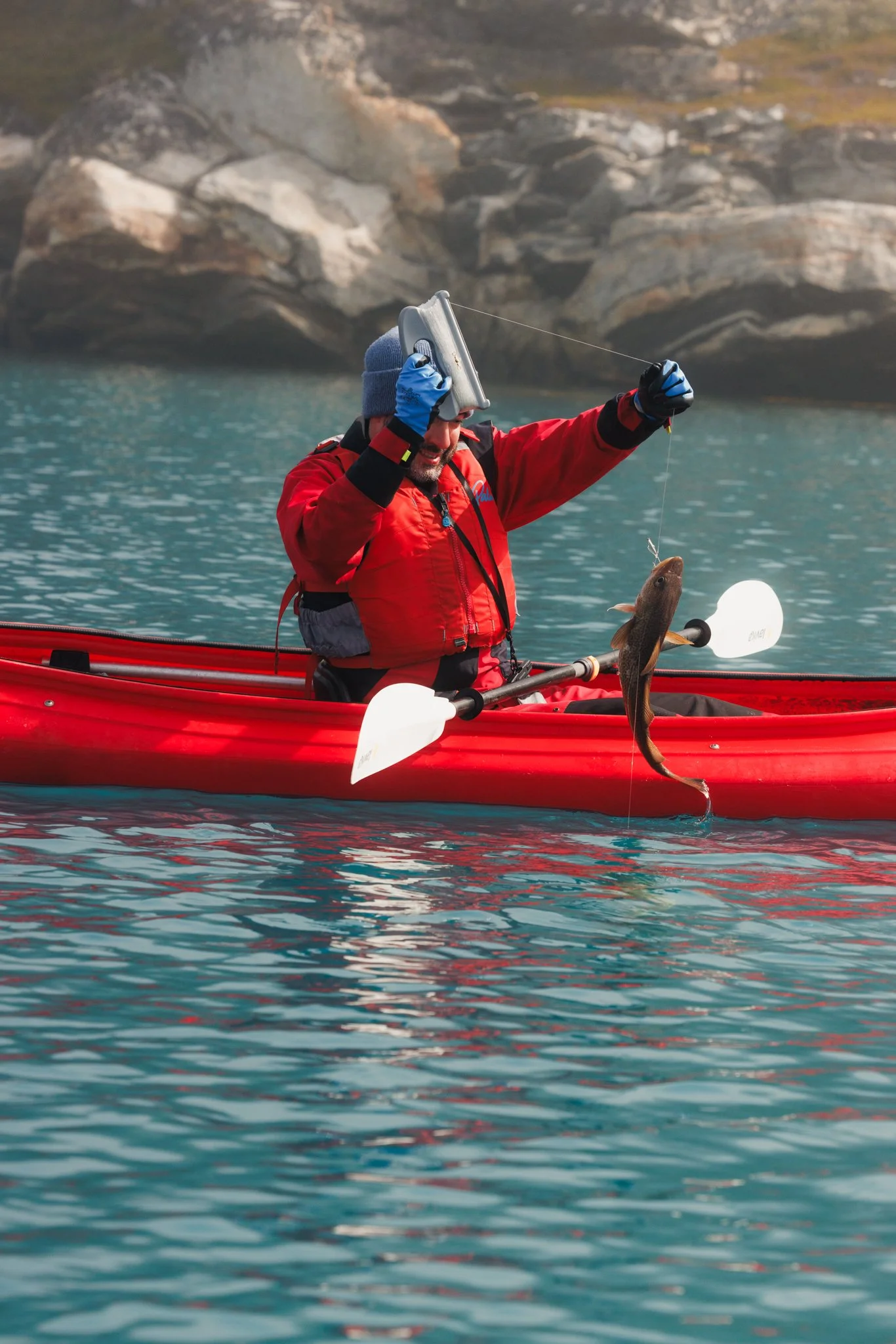
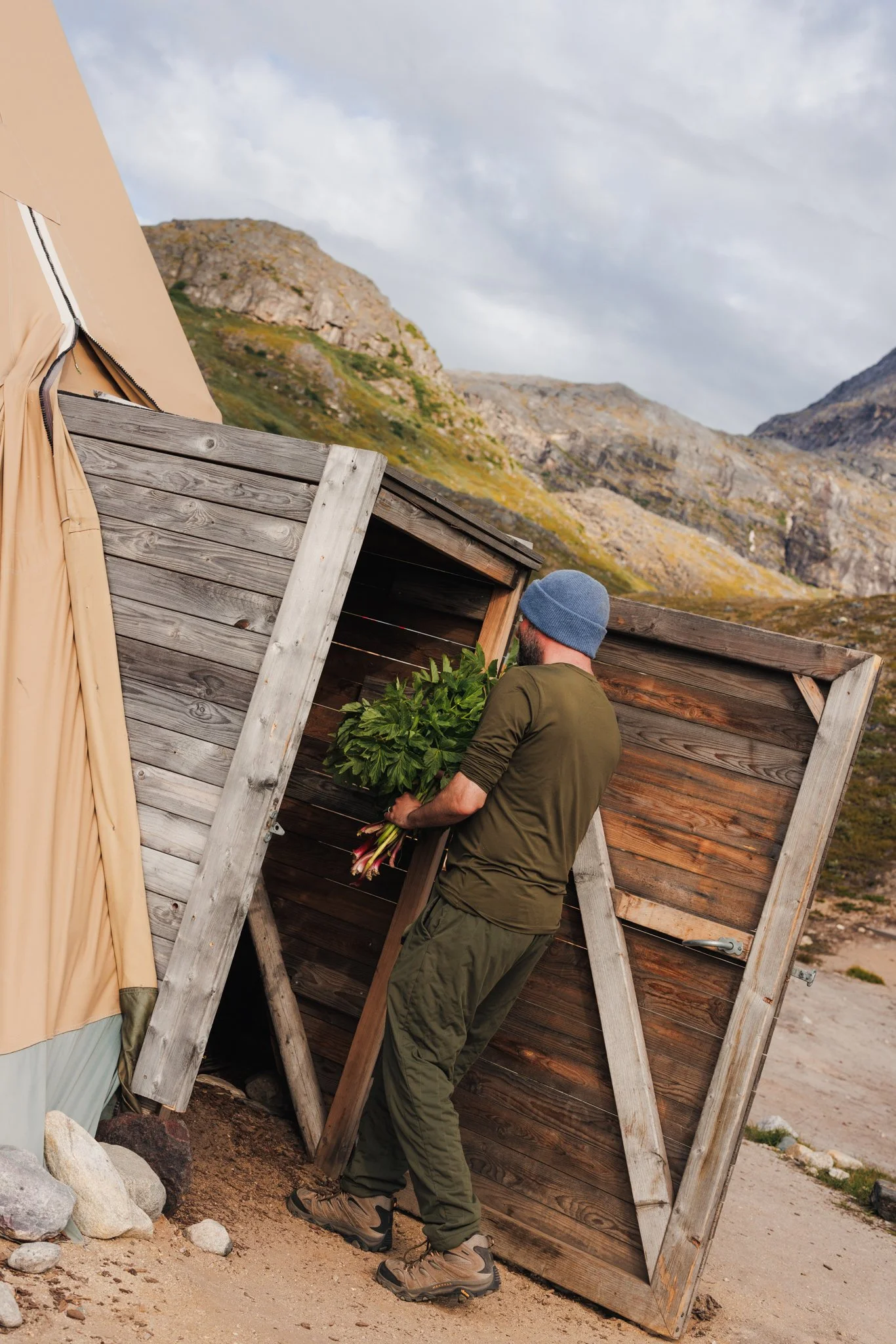
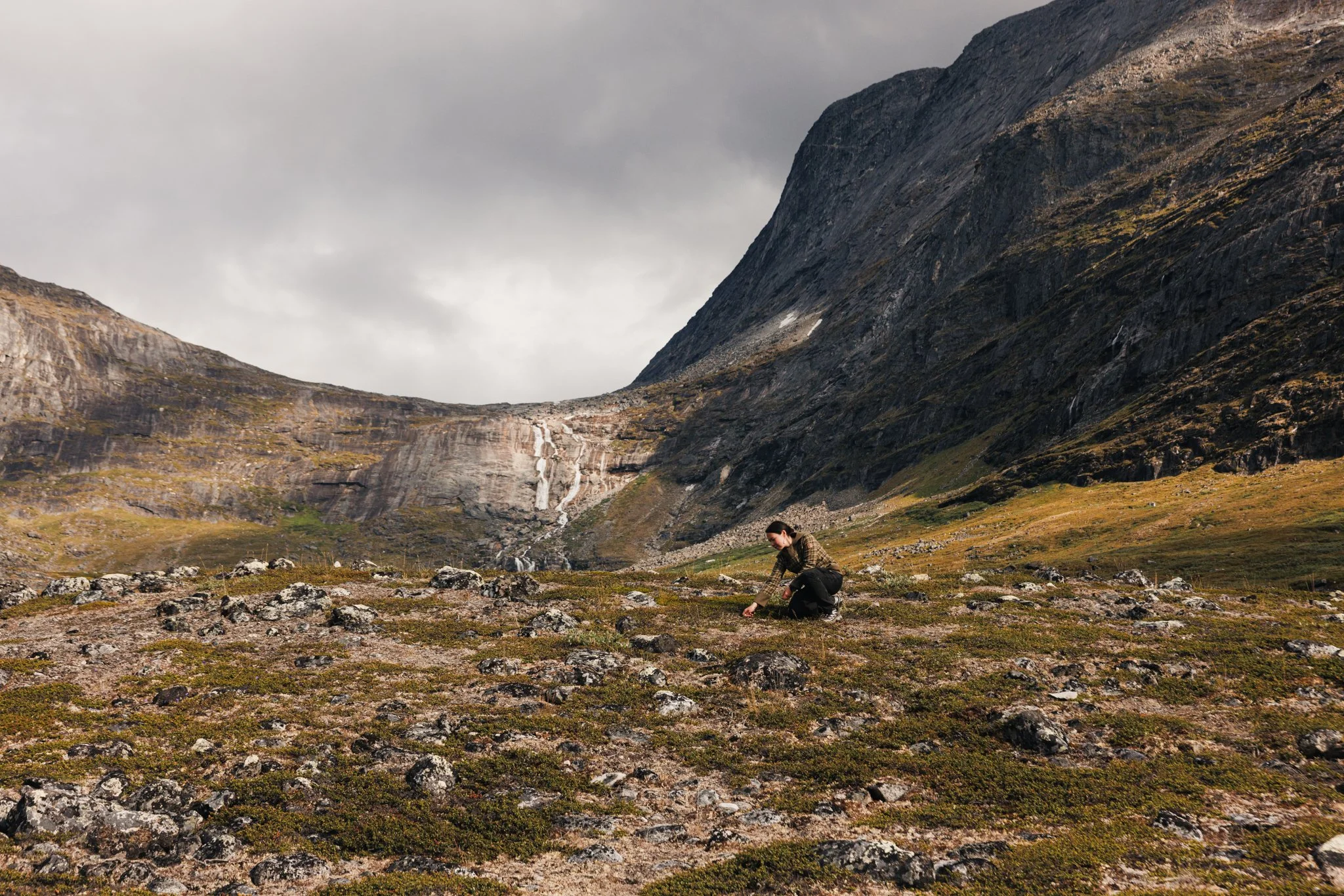
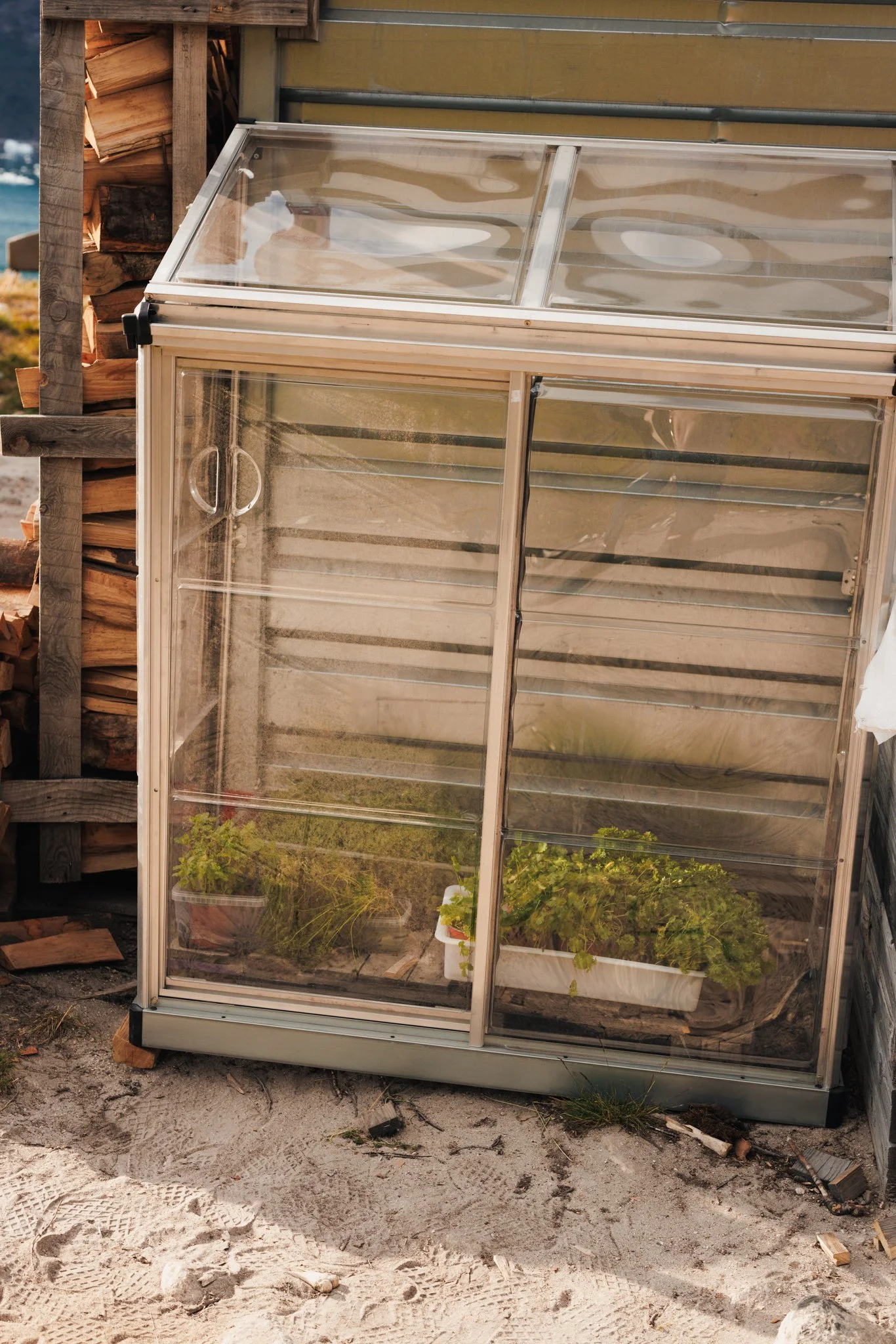
Amid the starkness of landscape devoid of a tree line and little animal life, the fjord can still feel generous. Arctic Char are so abundant that a dropped line returns almost immediately with proof, time and time again, as if the water is trying to convince you it is hospitable. Edible flowers and berries abound on the tundra, thickly carpeted in places where nothing seems as though it should grow. Angelica and seaweed are gathered along the shoreline with the matter-of-factness of picking herbs from a garden, as if to confirm that yes, something living does choose to thrive here against all odds.
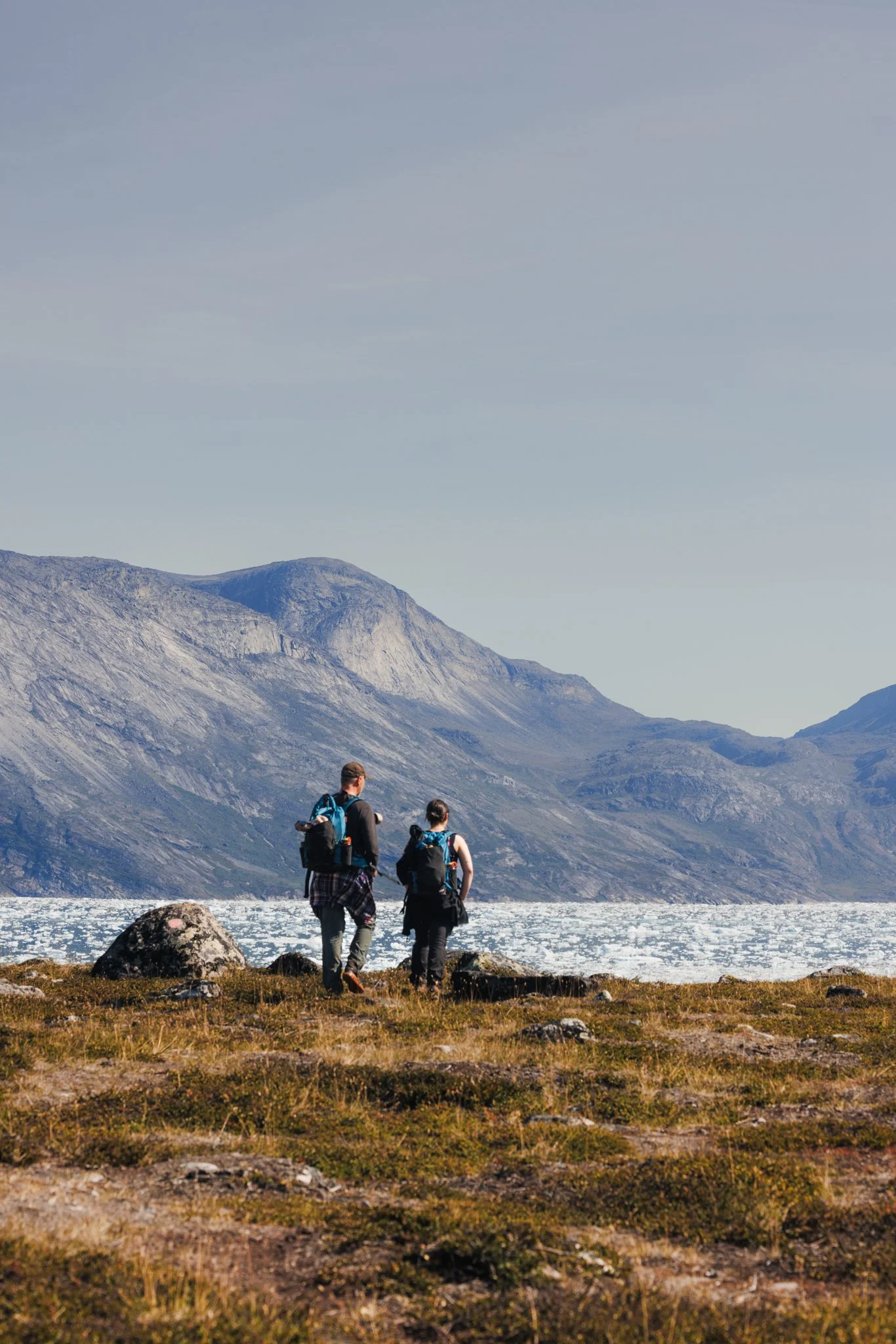
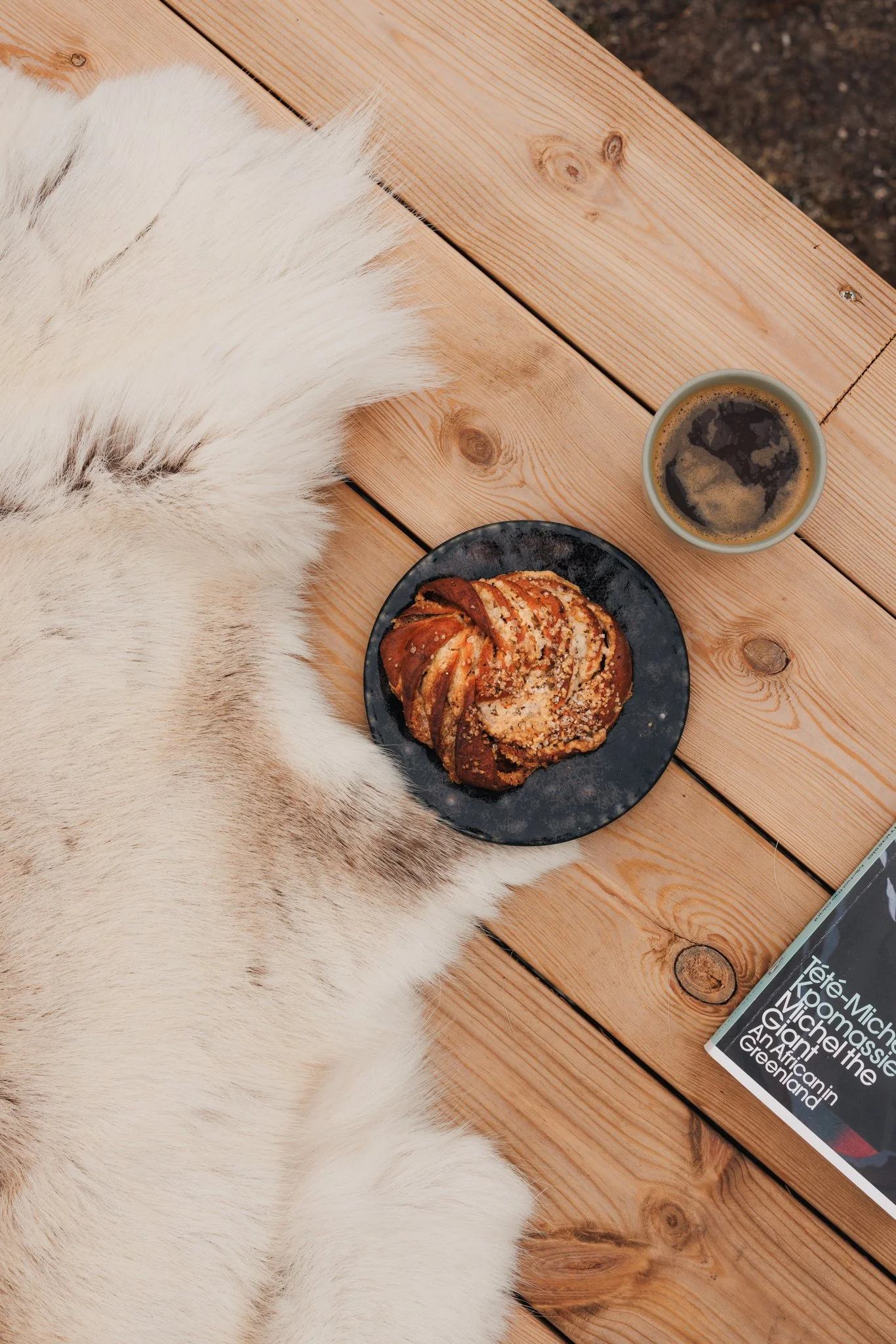
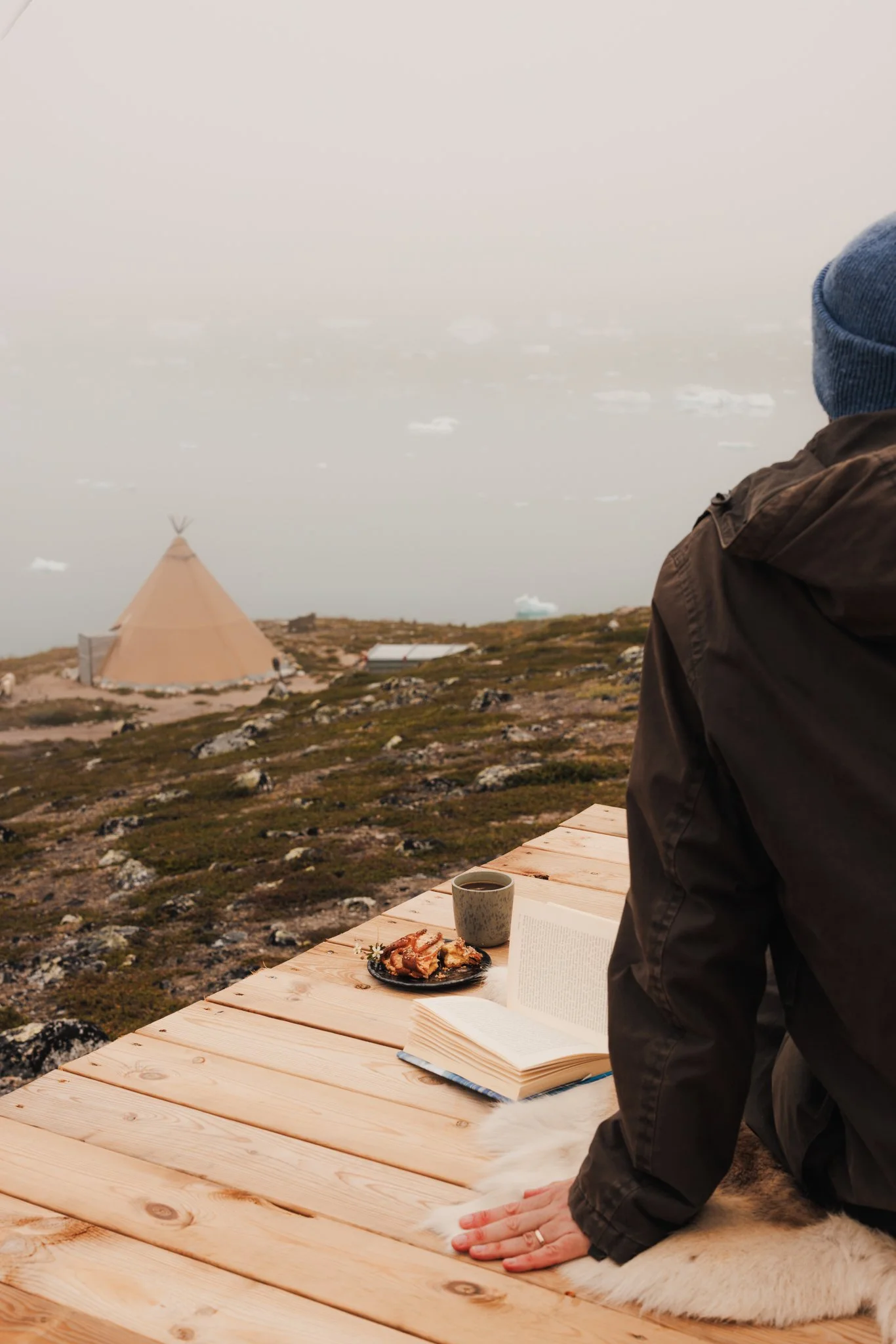
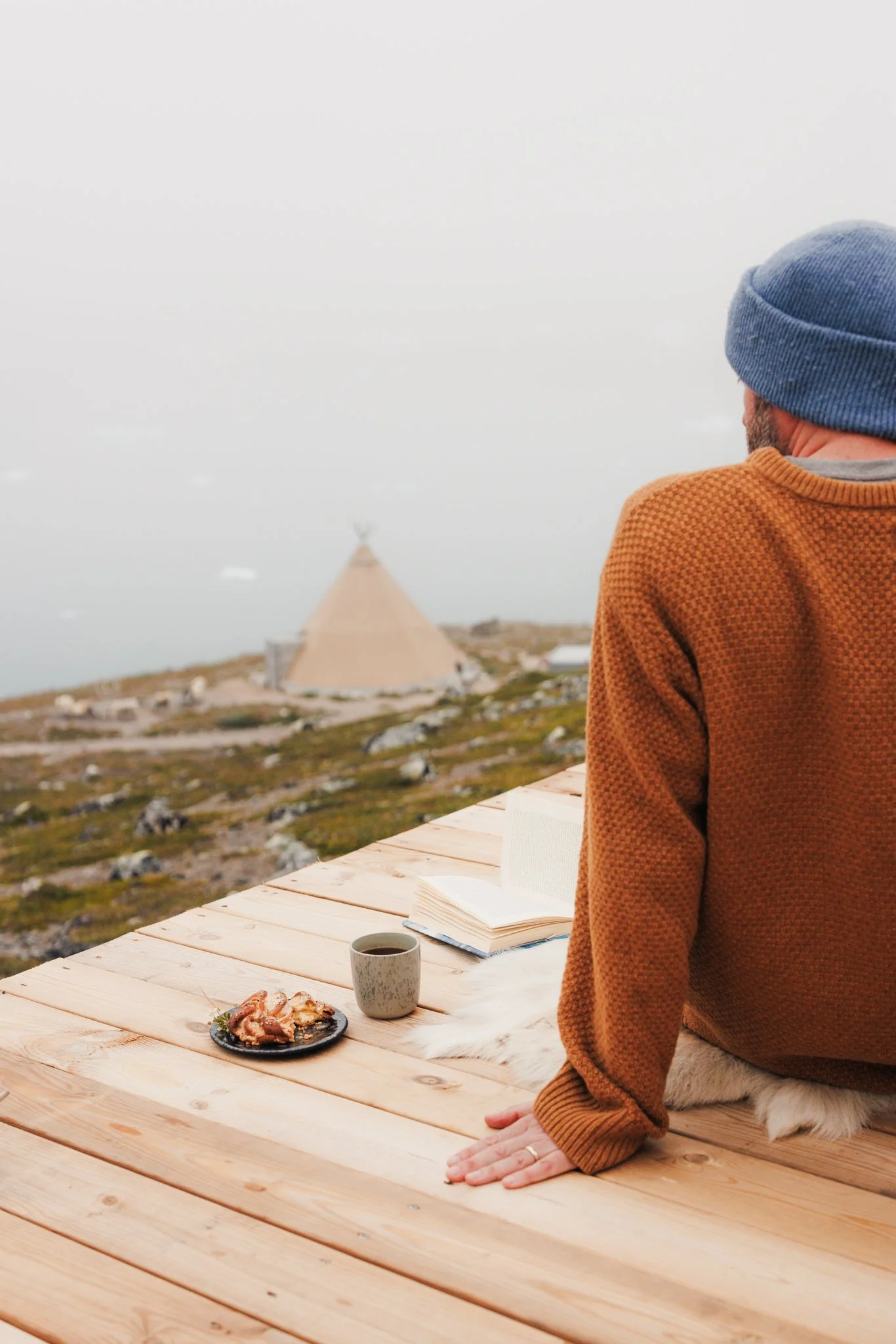
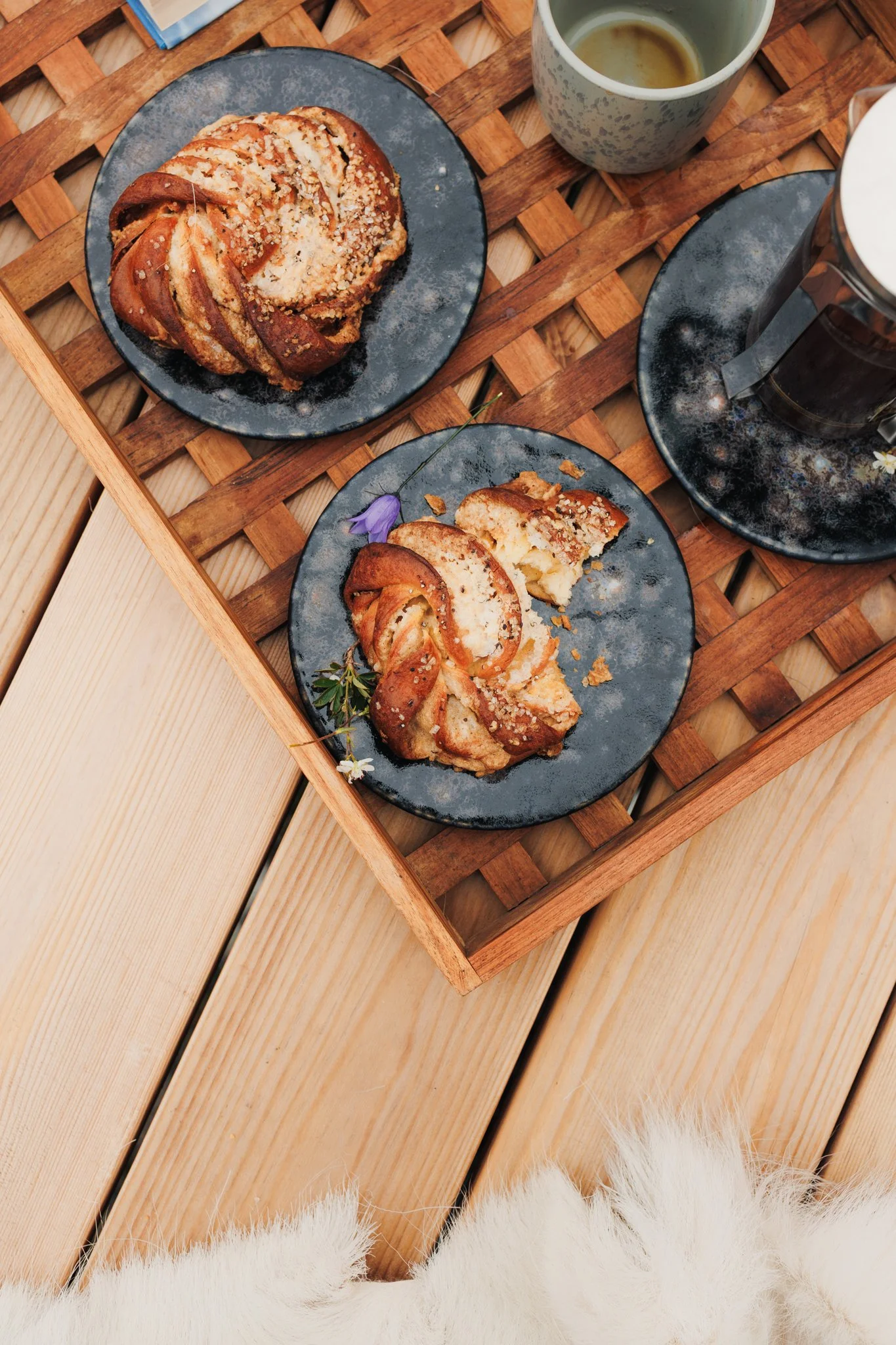
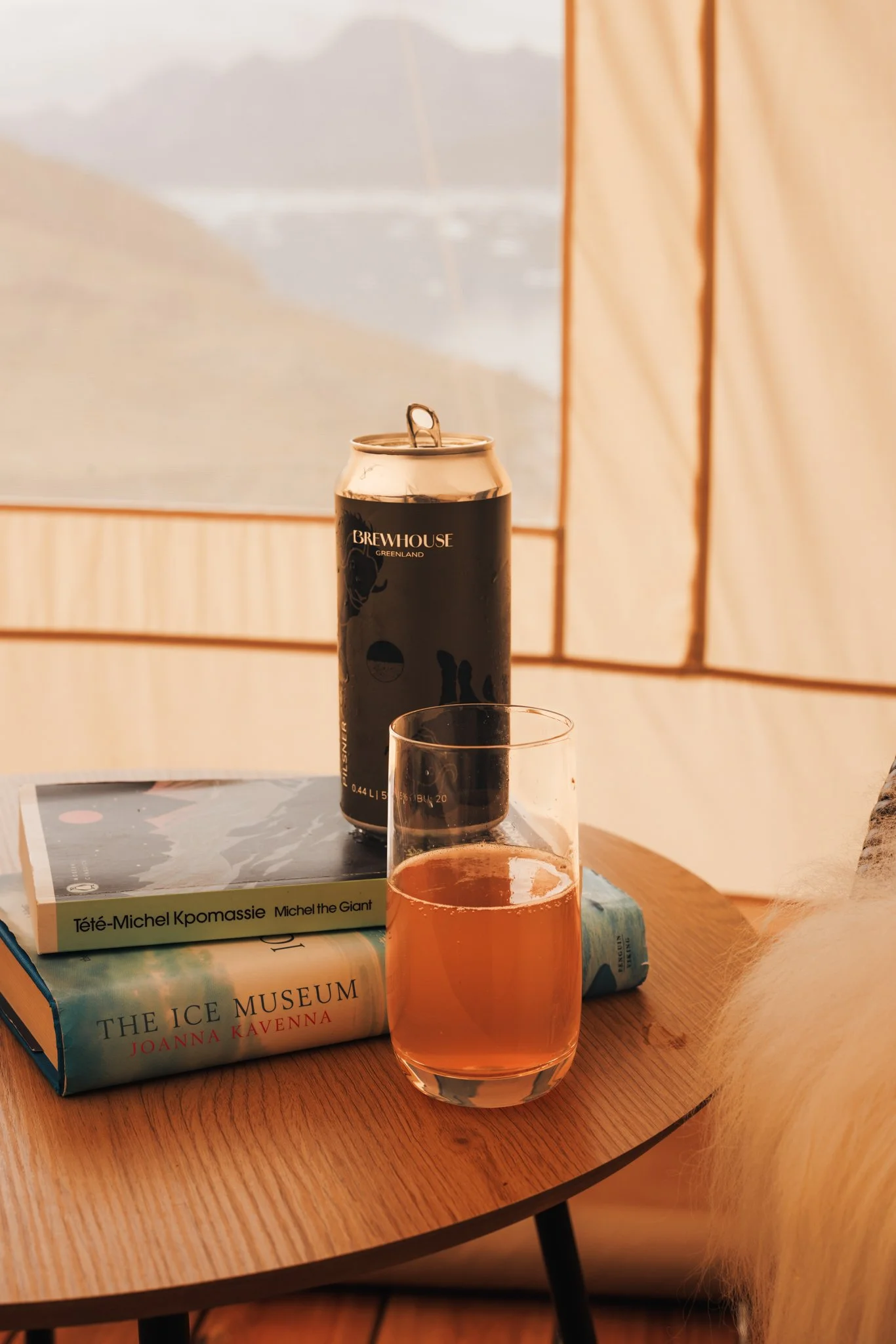
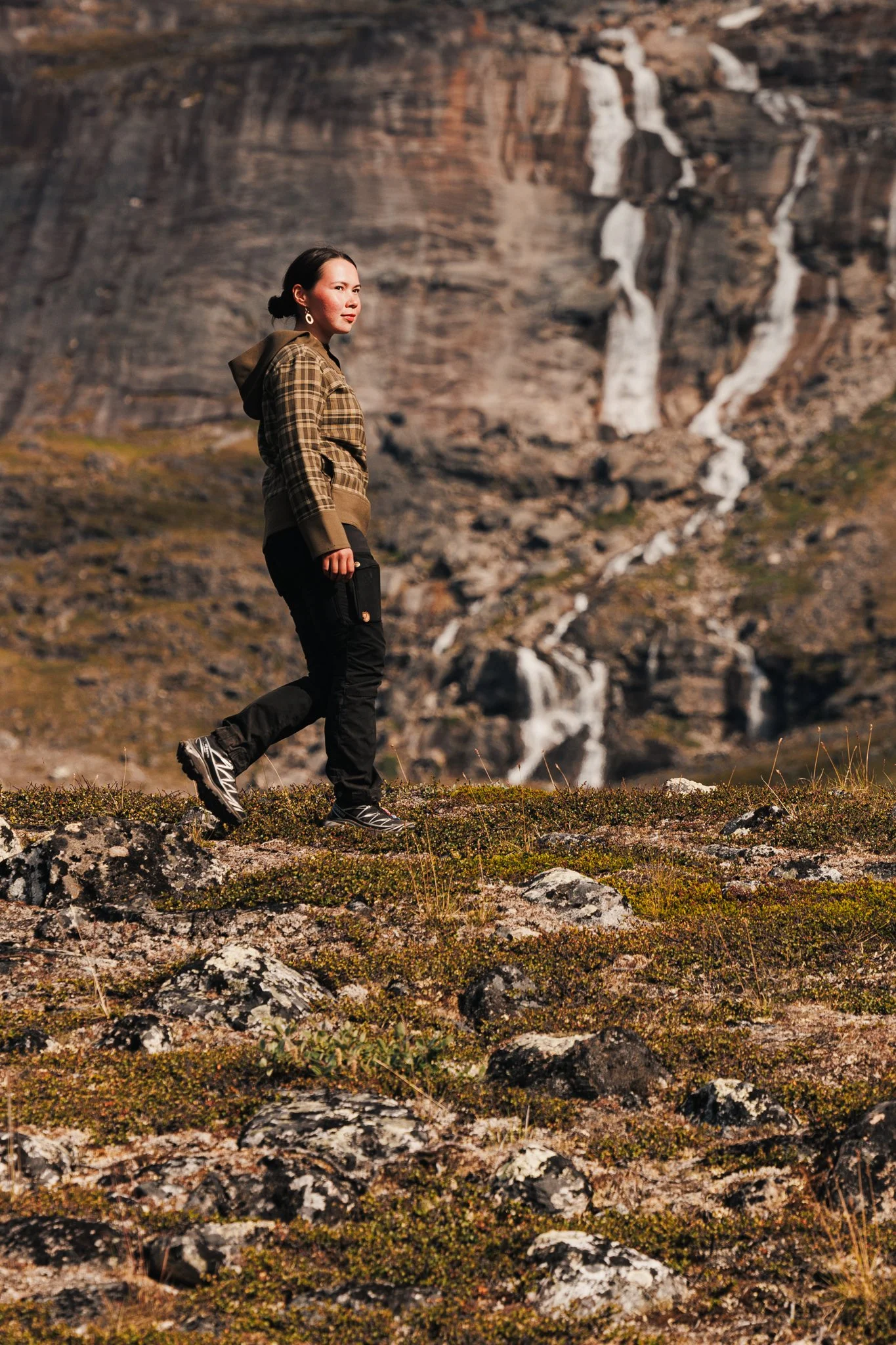
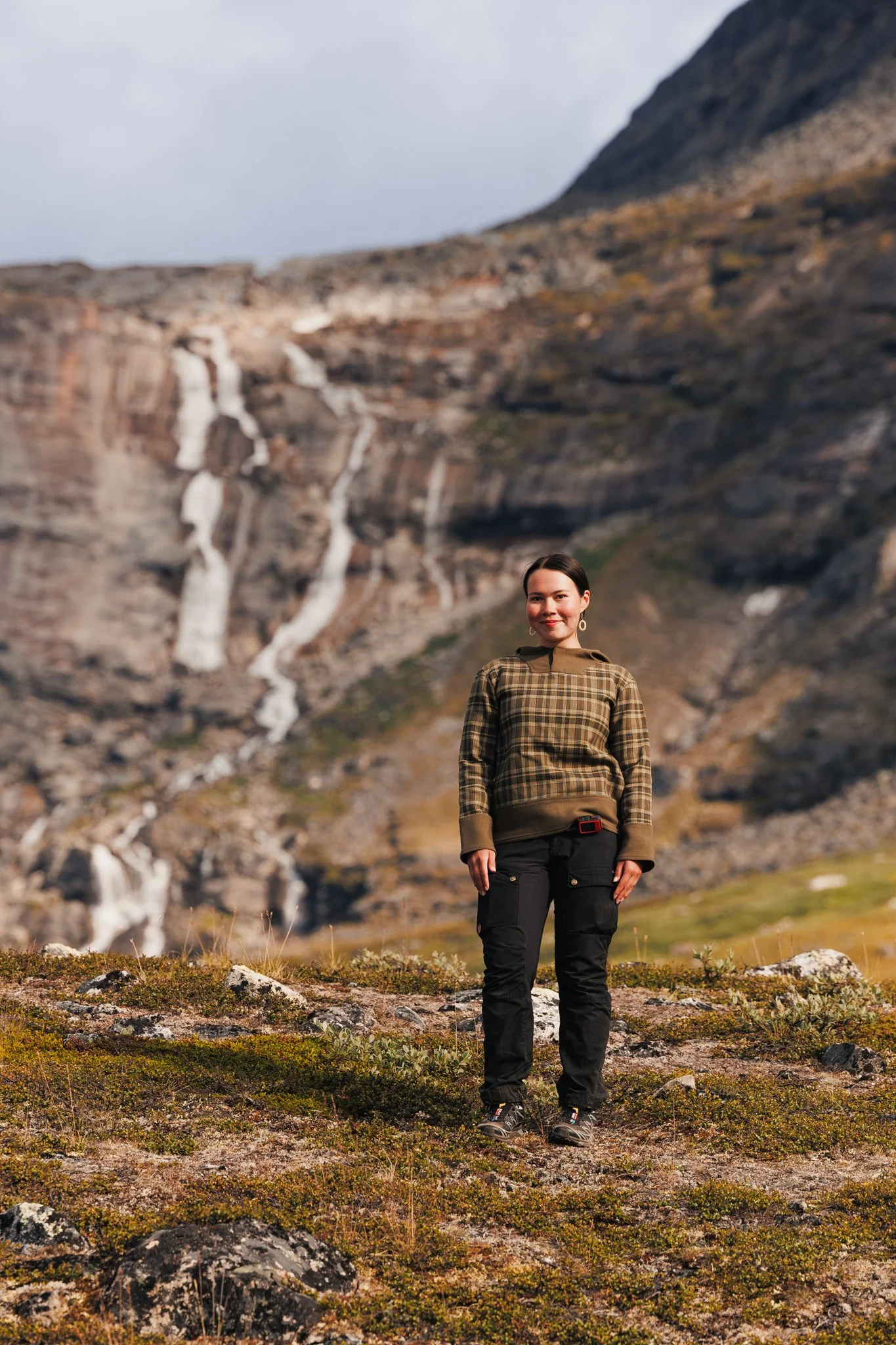
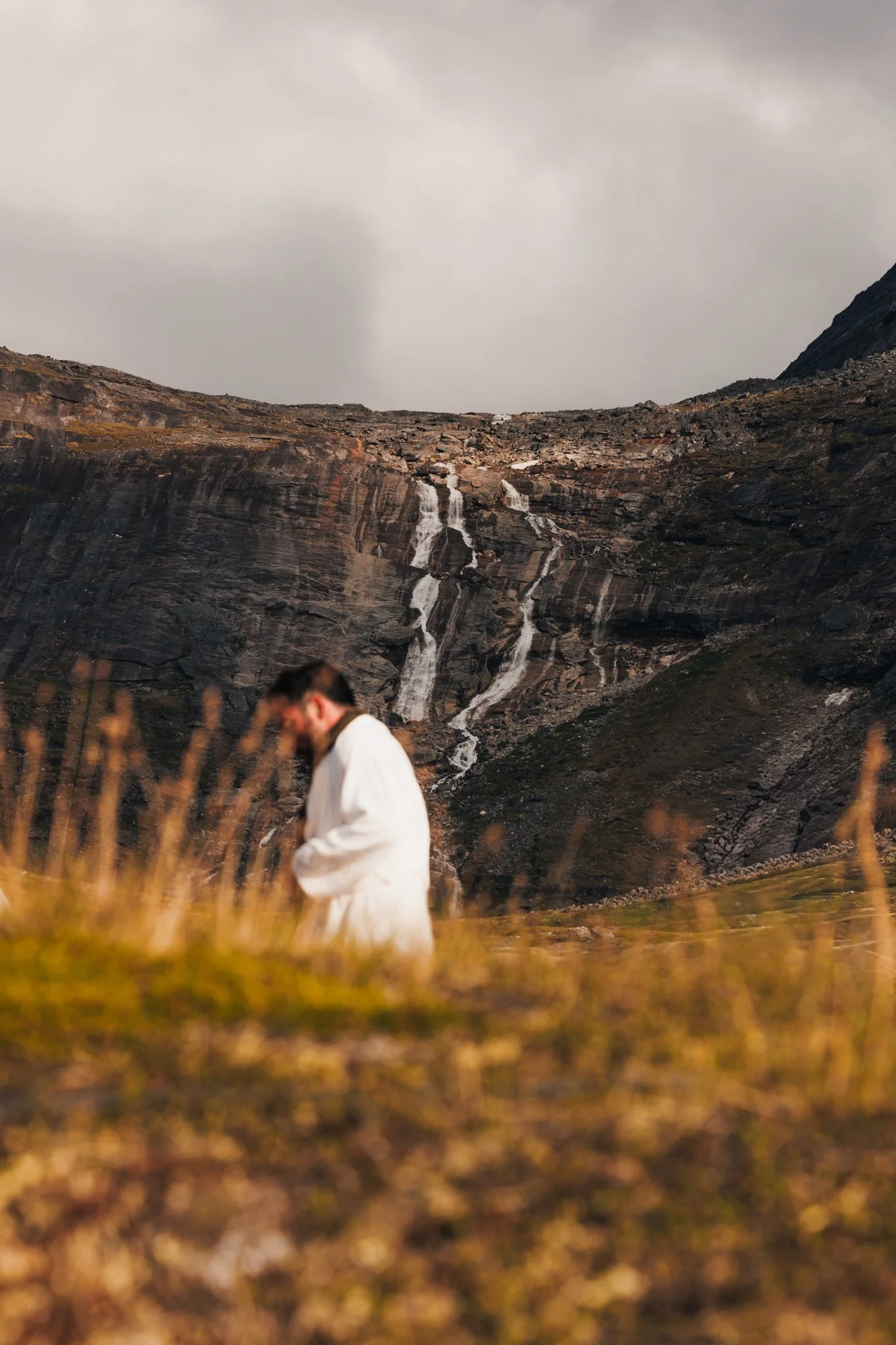
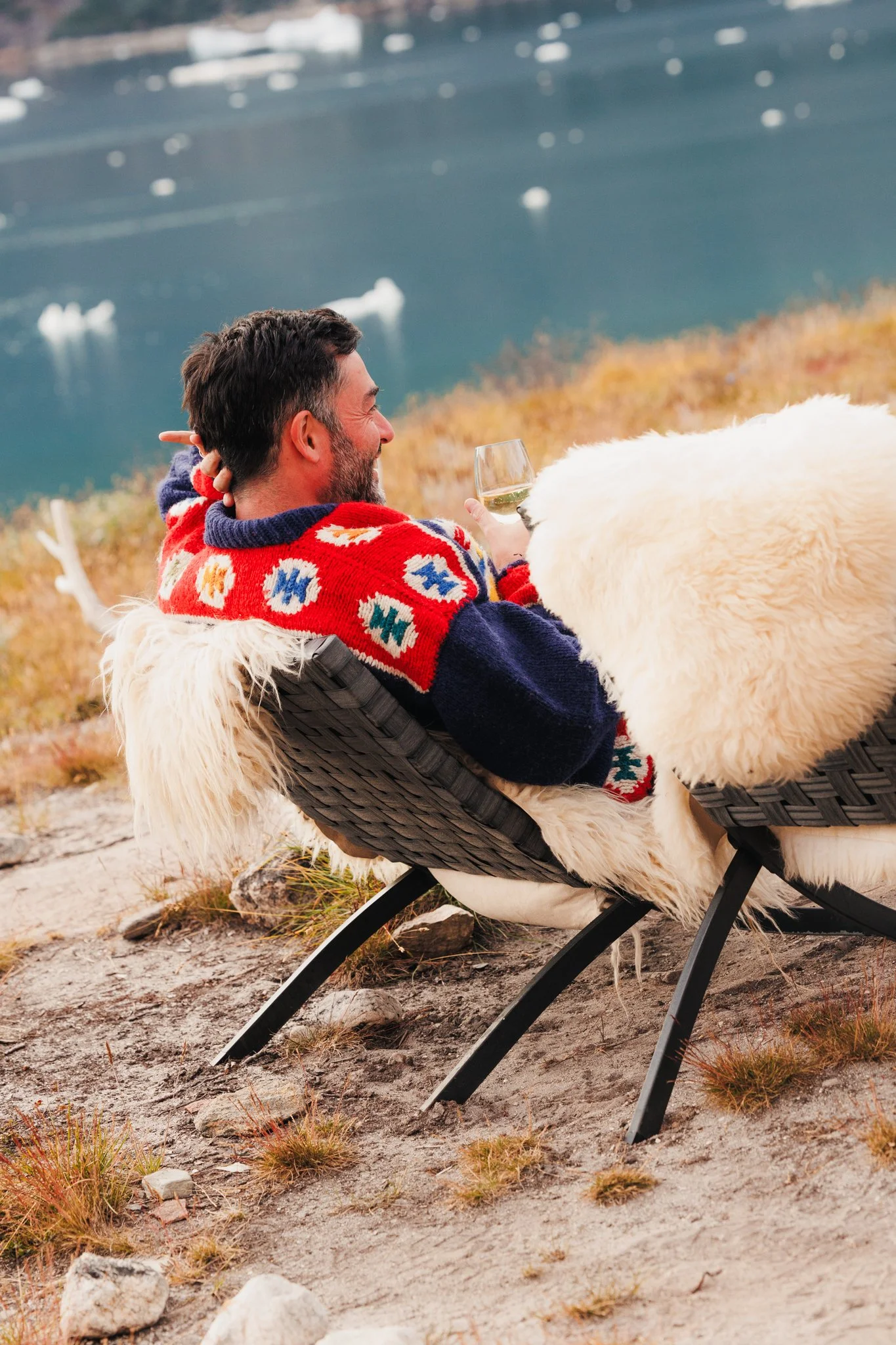
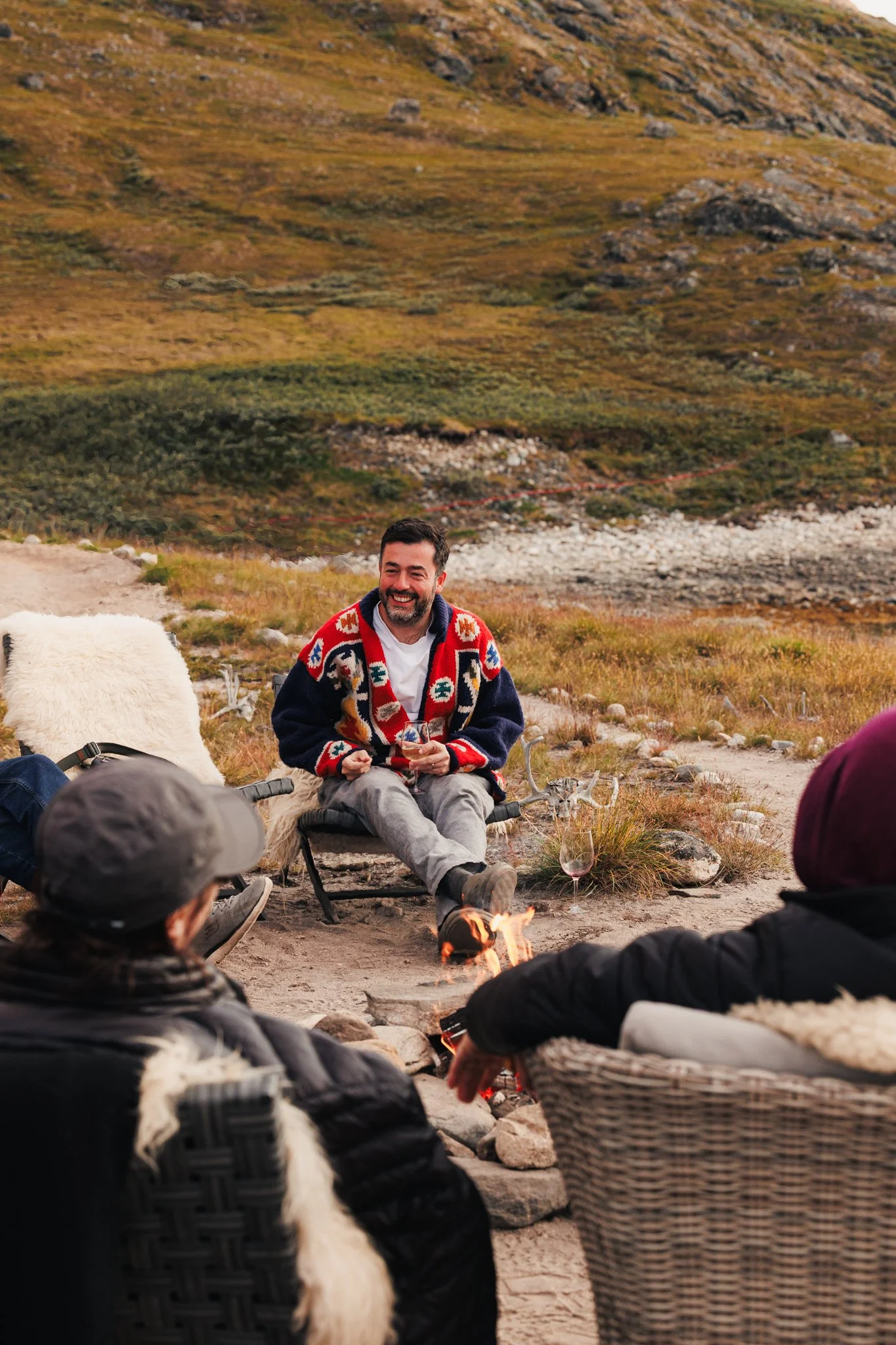
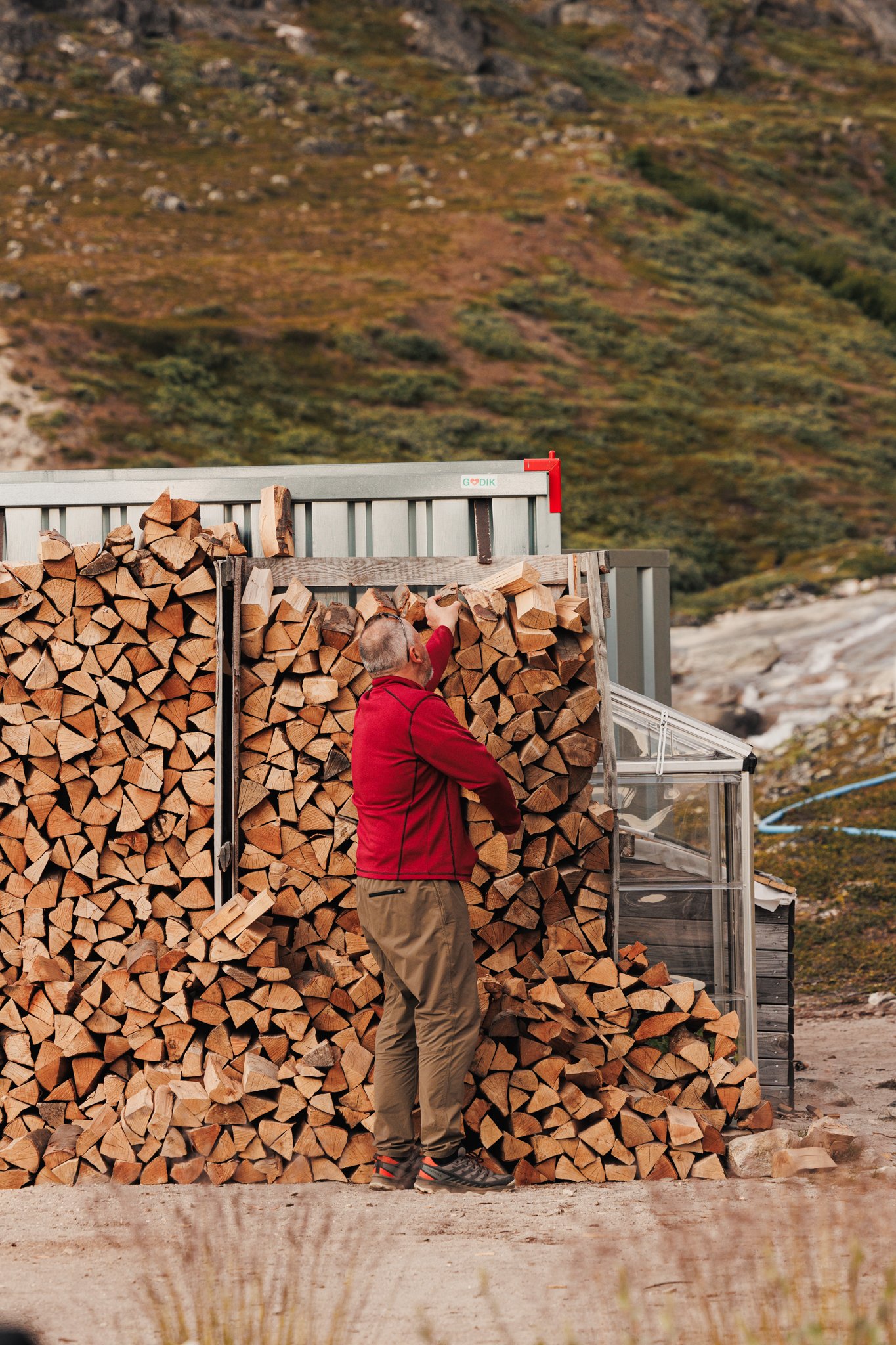
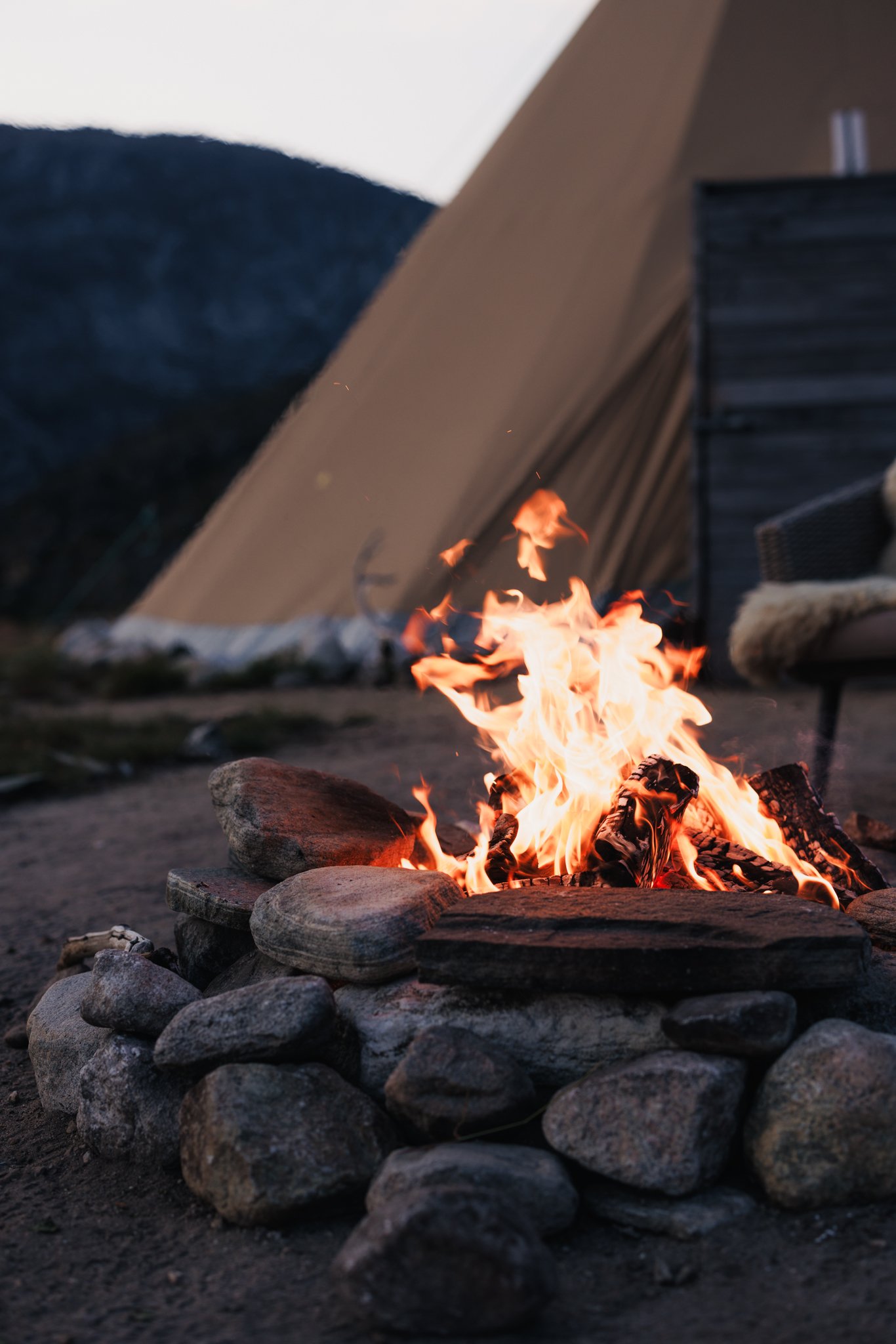
And so our days go. We leisurely read books in tents not so much curated as “design” so much as refuge: a Greenlandic beer on a table, a book with a local spine, a window holding the fjord like a painting. We walk the hills against the backdrop of the resident waterfall with one of our local guides, learning about her homeland while foraging our lunch. Firelight gathers people into a temporary circle where we forget about the concerns of home, yet somehow solve big issues we’ve been grappling with inside the noise of our normal lives. Someone brings in wood. Someone leans toward the warmth. We connect. The camp’s luxury shows itself less in spectacle than in the way it makes these small moments possible without dulling the reality outside.
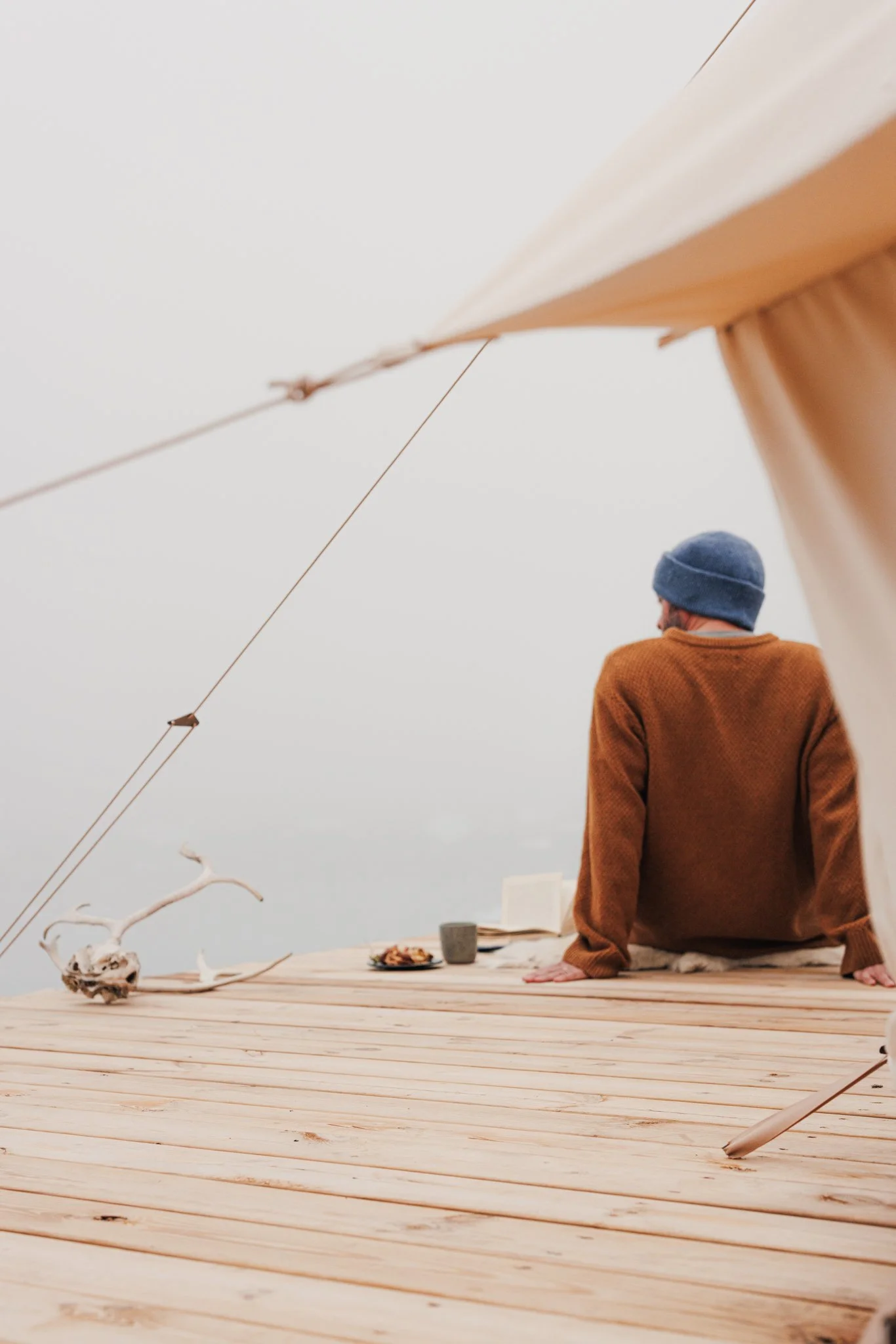
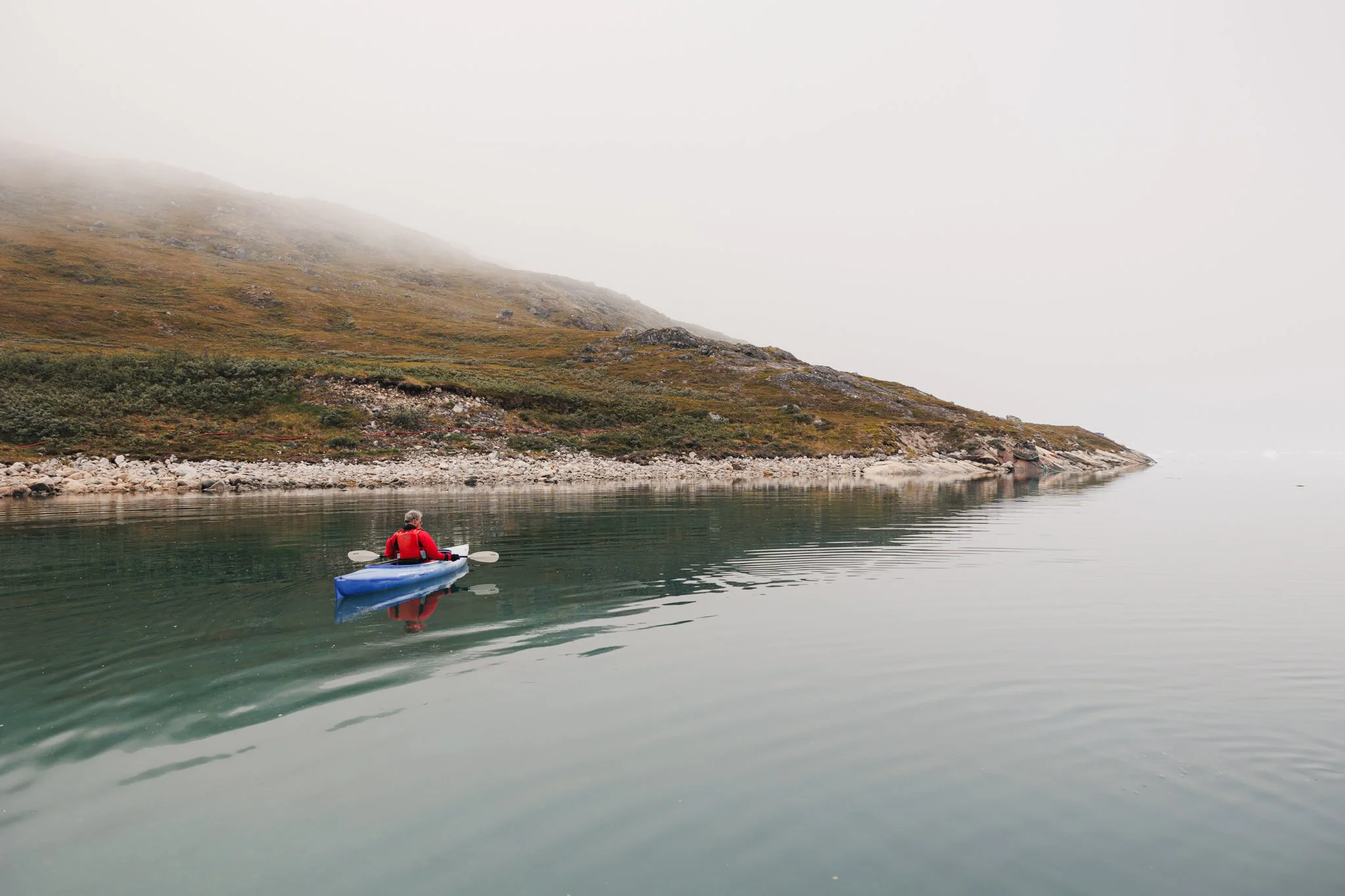
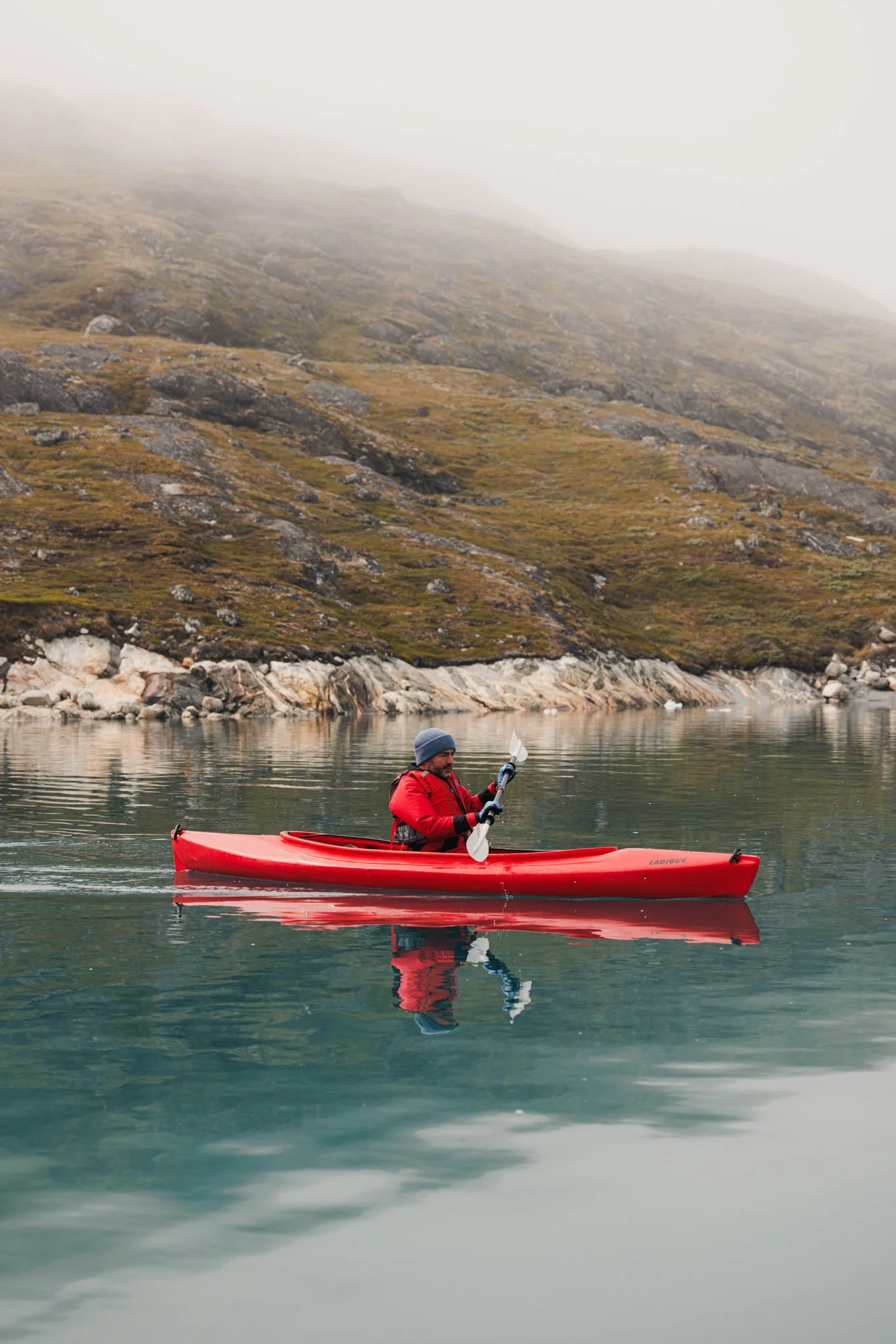
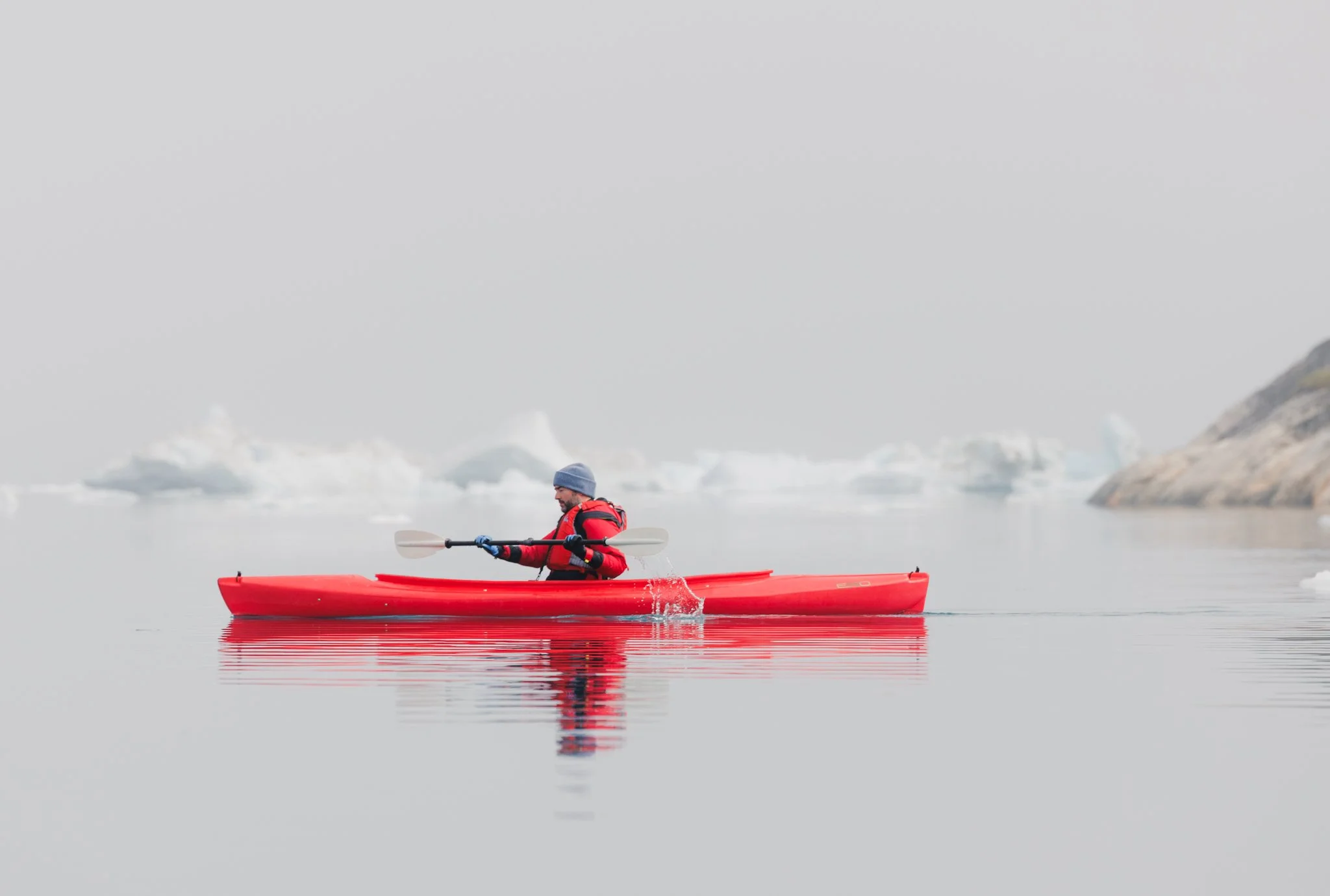
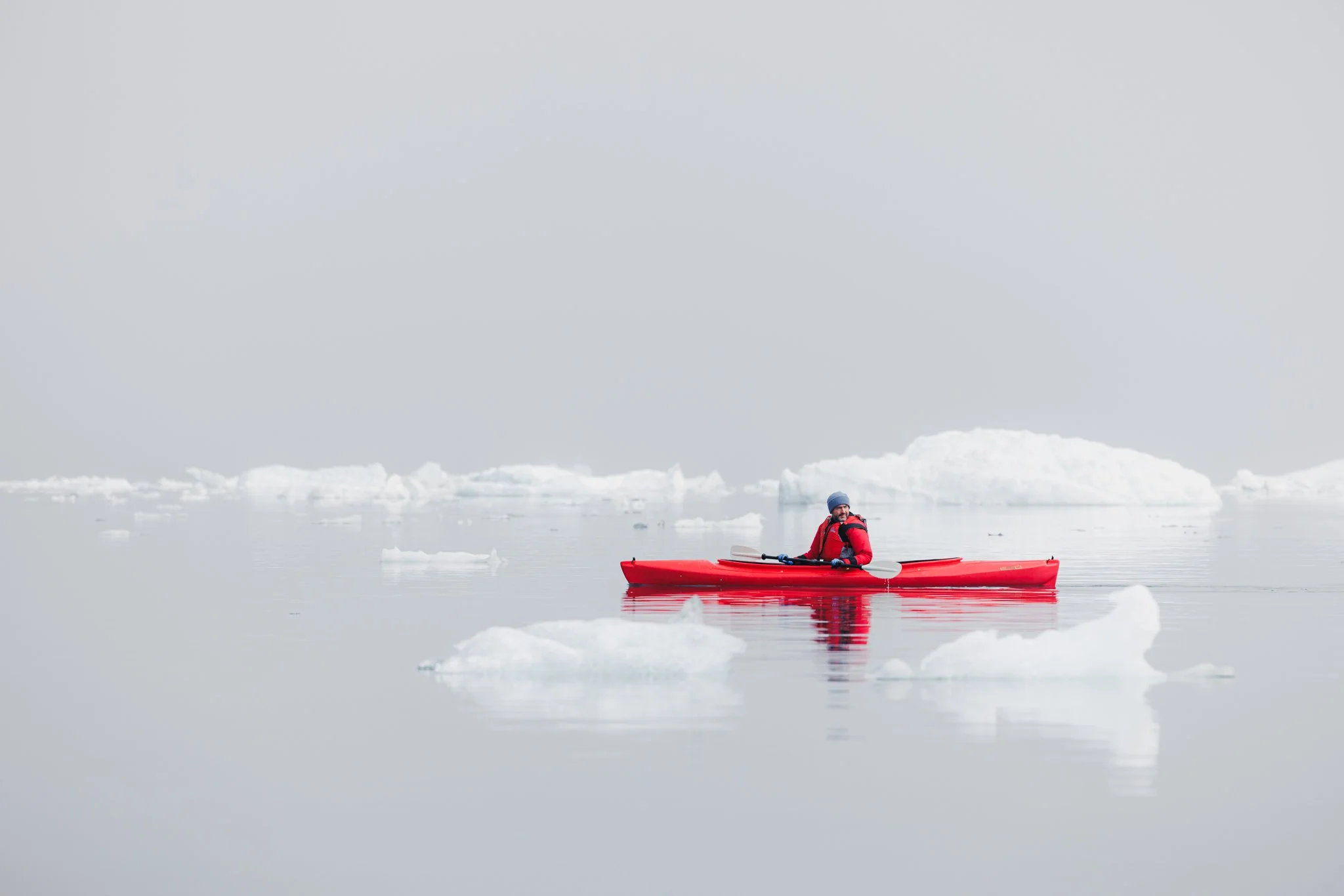
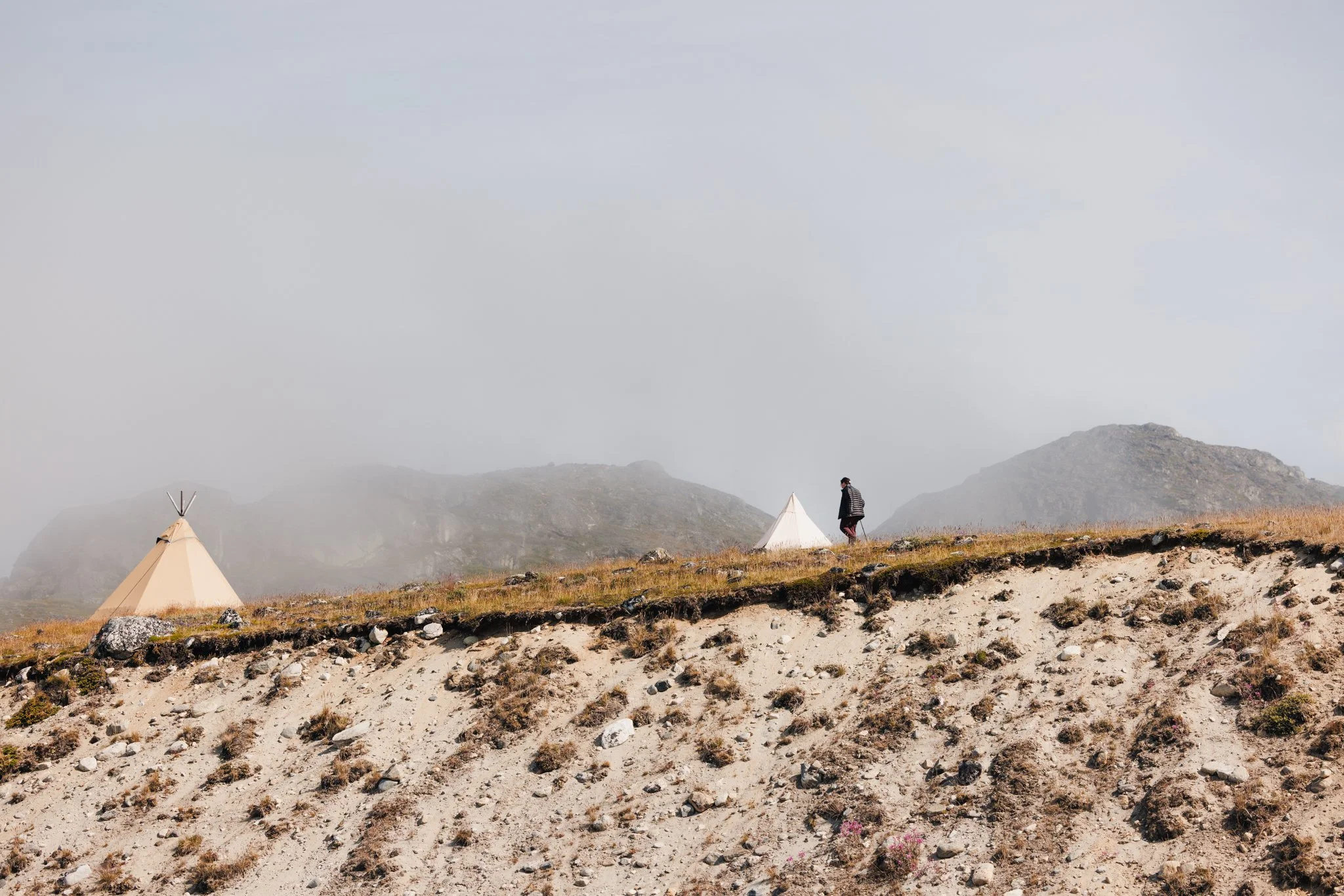
Daily life at Nomad is made of small rituals performed against a vastness that does not flinch. Breakfast can happen in fog so thick it seems to erase distance, the tents reduced to silhouettes and the horizon edited out entirely. Kayaks slip into that whiteness and become moving punctuation marks. There are moments when the camp feels like an outpost at the end of visibility, and then the fog lifts just enough to reveal ice drifting by as calmly as laundry on a line. The stillness takes our hands and leads us gently to the kind of deep conversation missing back home in our lives filled with doom scrolling and crammed calendars. Our attention is focused and we live in rhythm with this time outside of time. The landscape, and the days stretched out through perpetual light, insist on it.
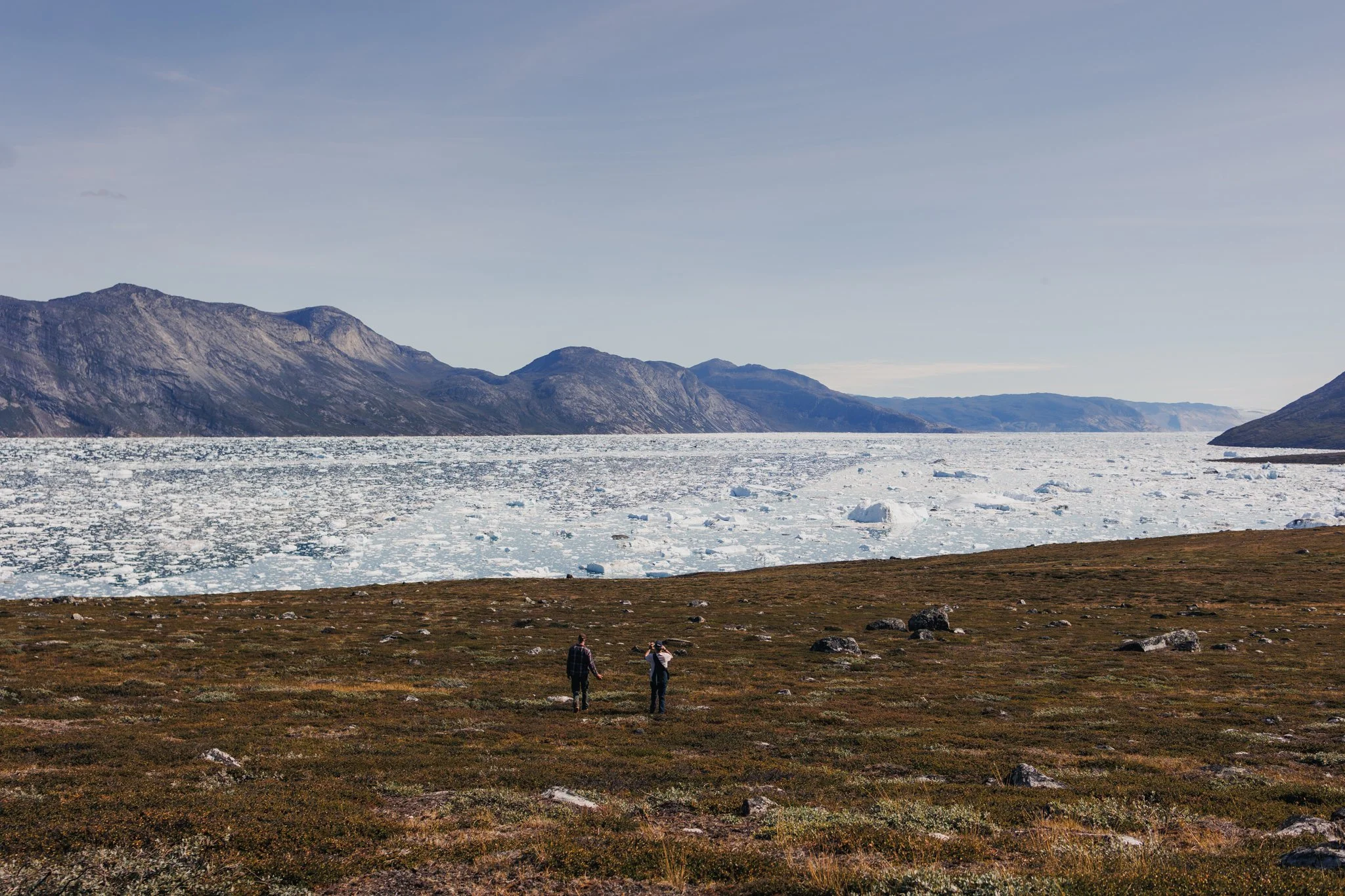
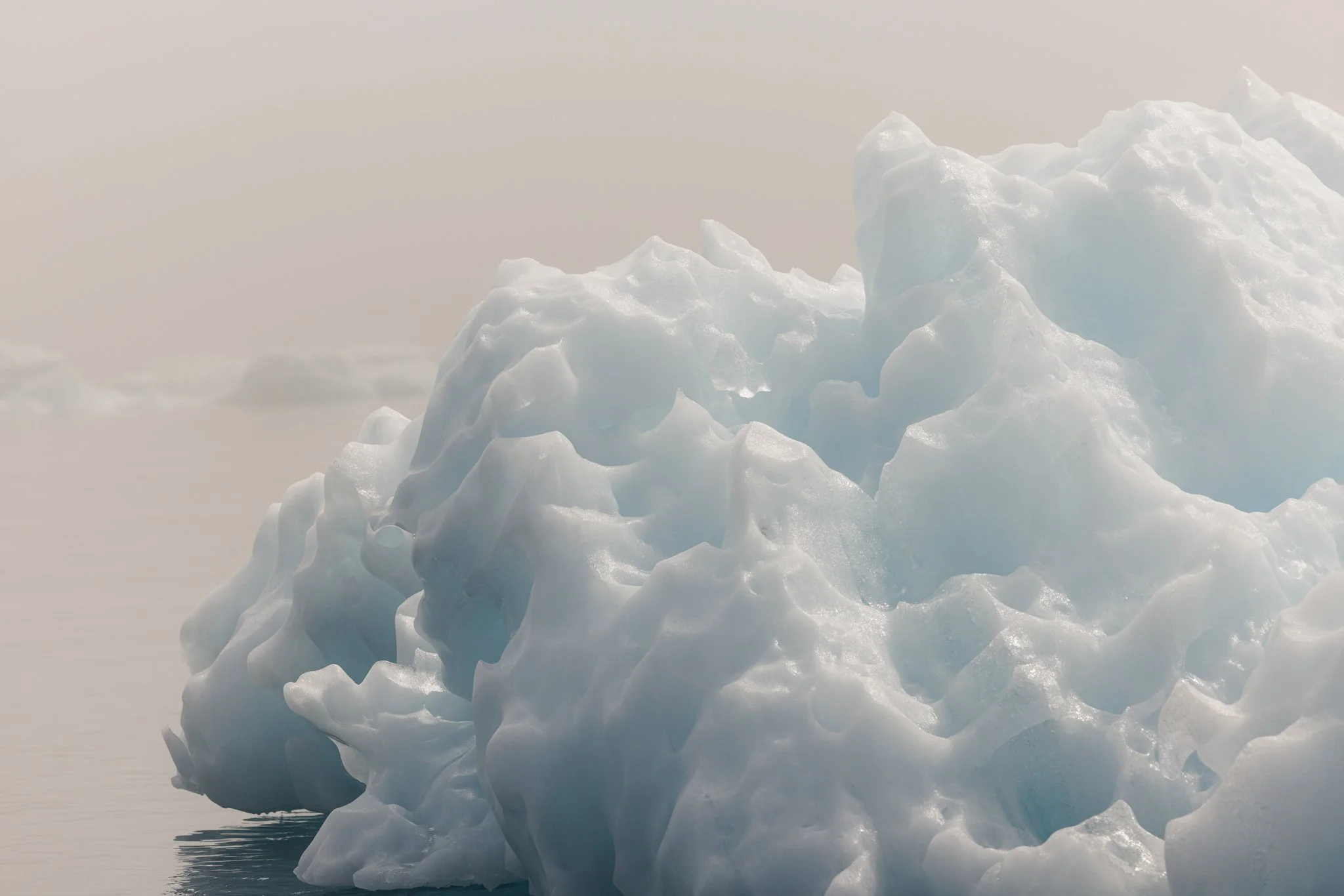
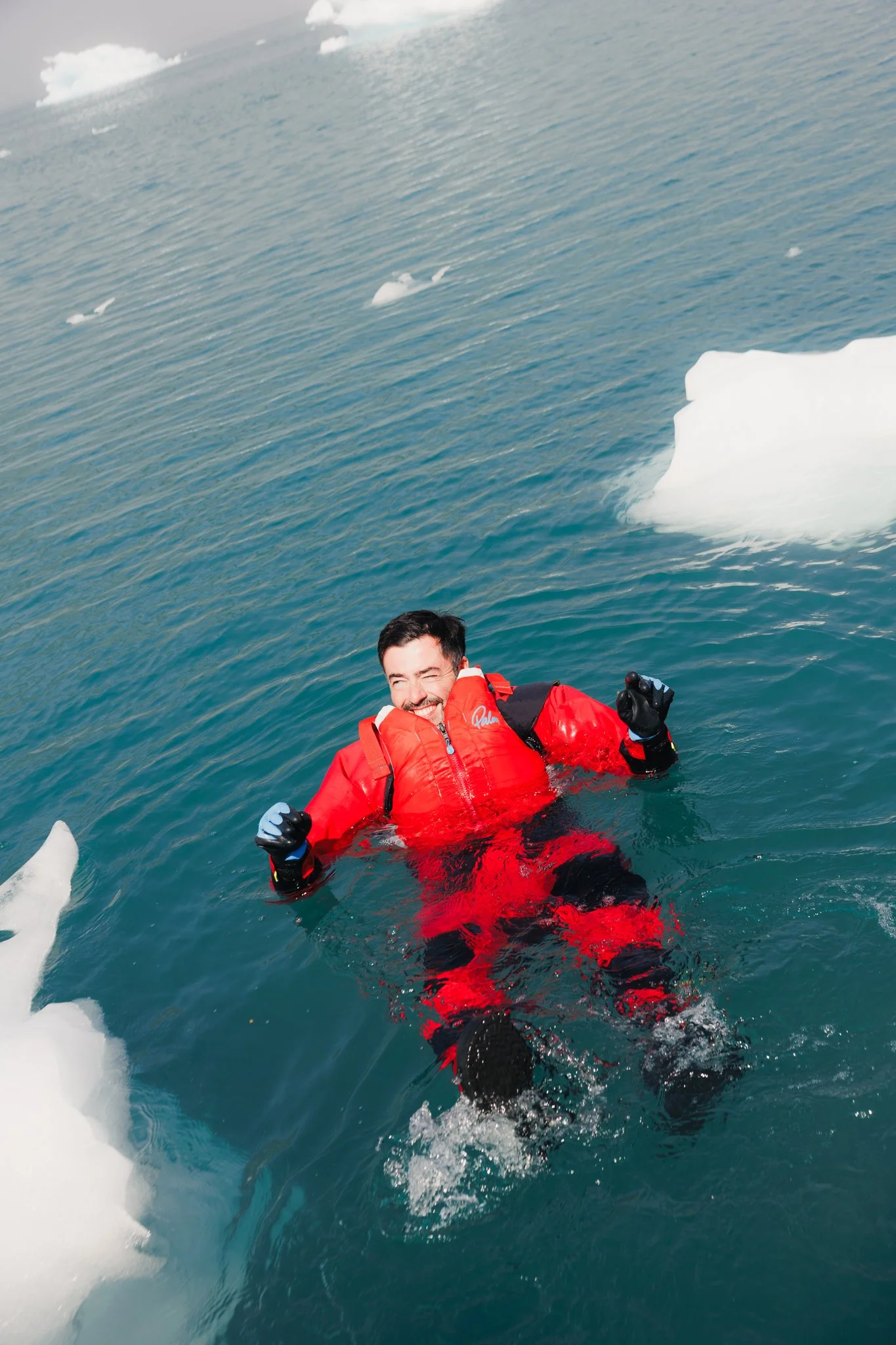
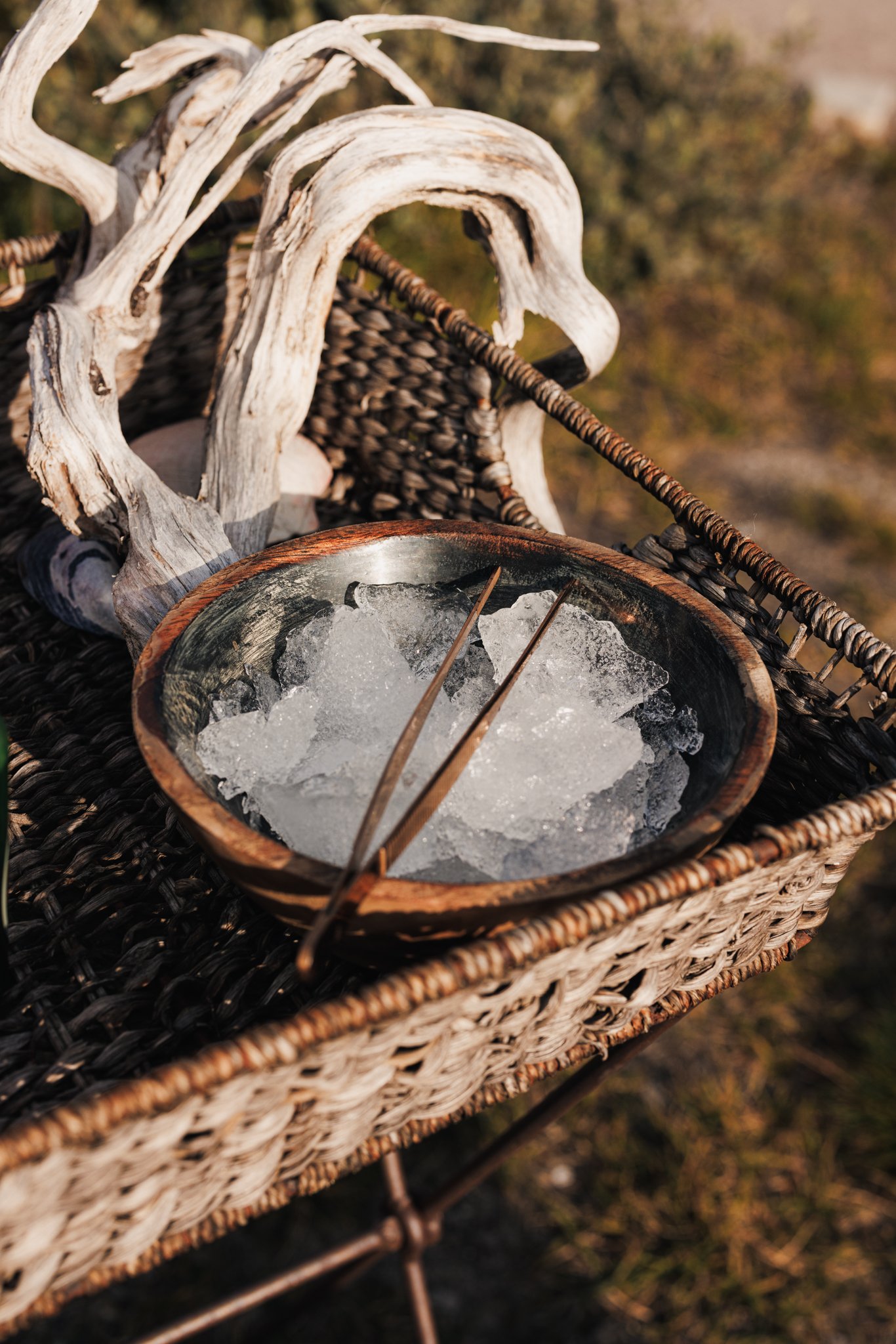
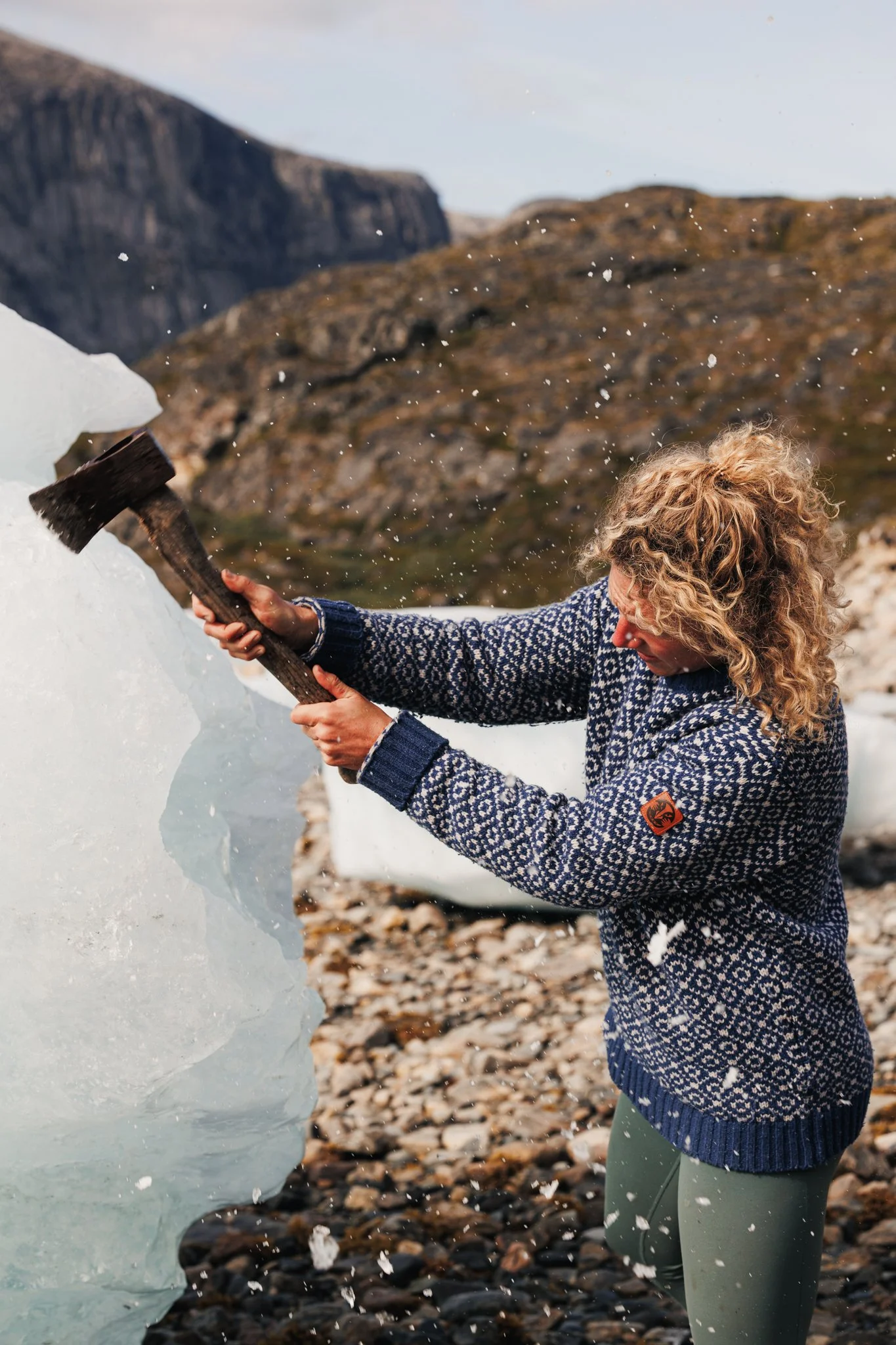
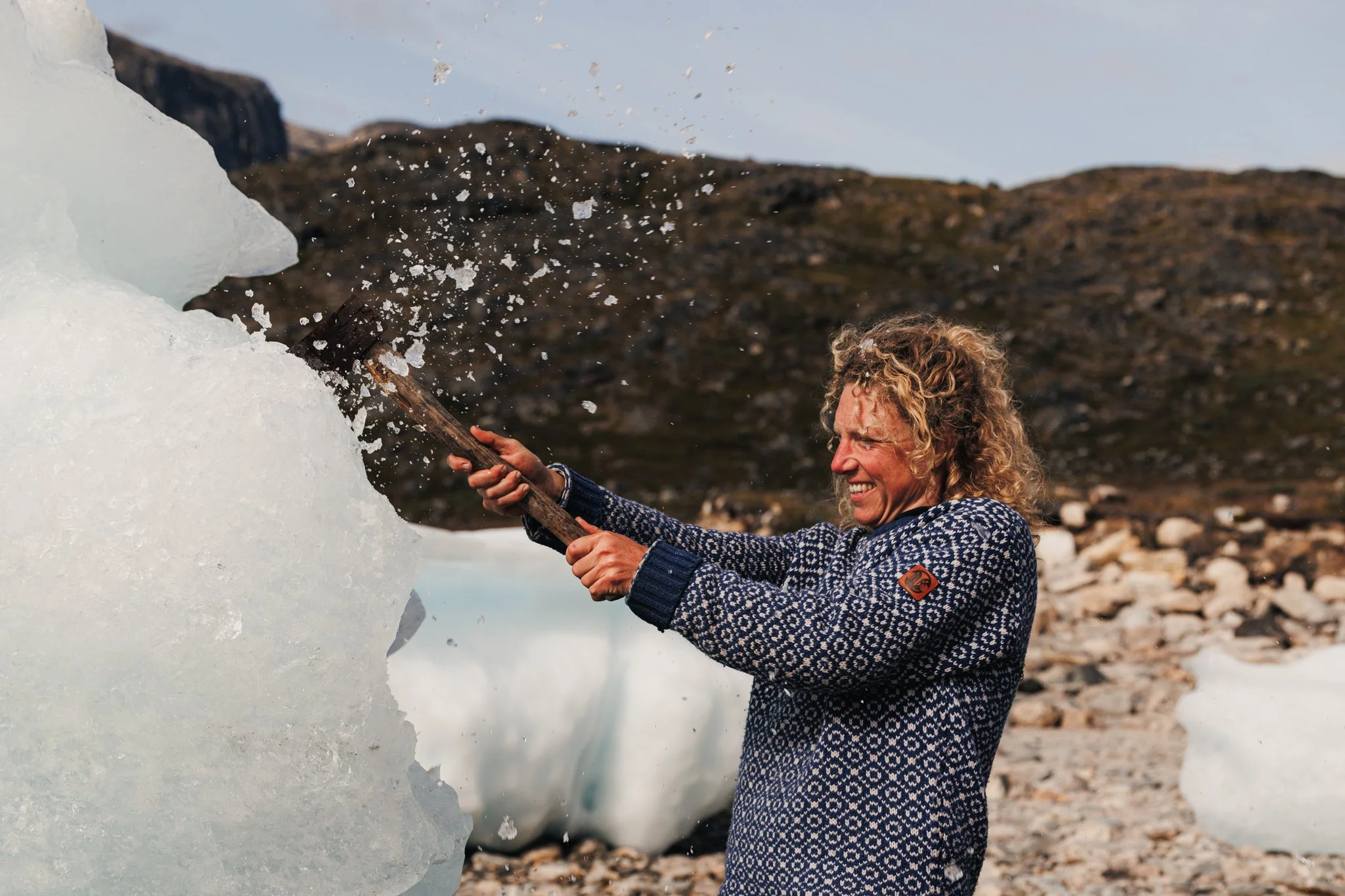
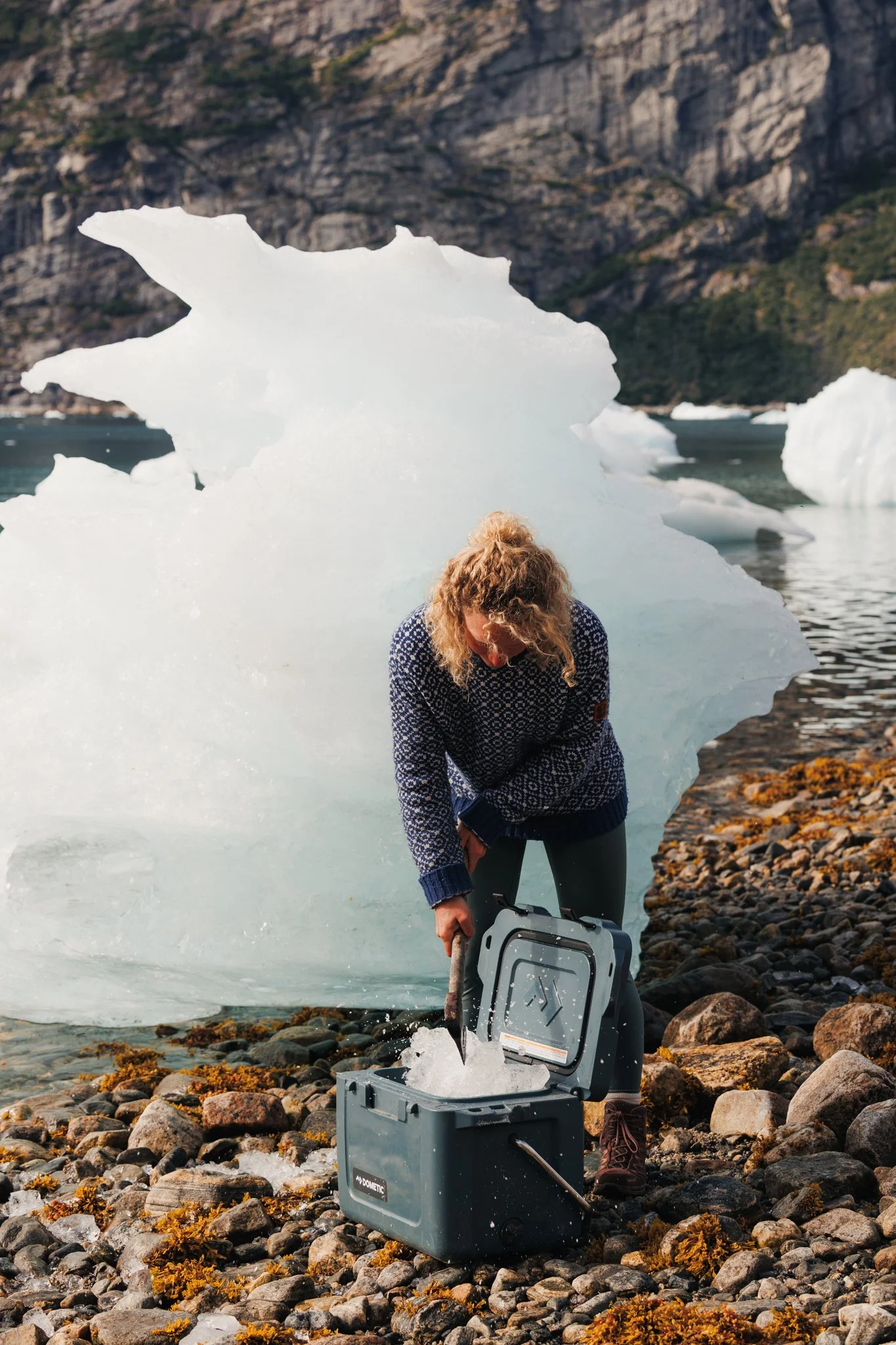
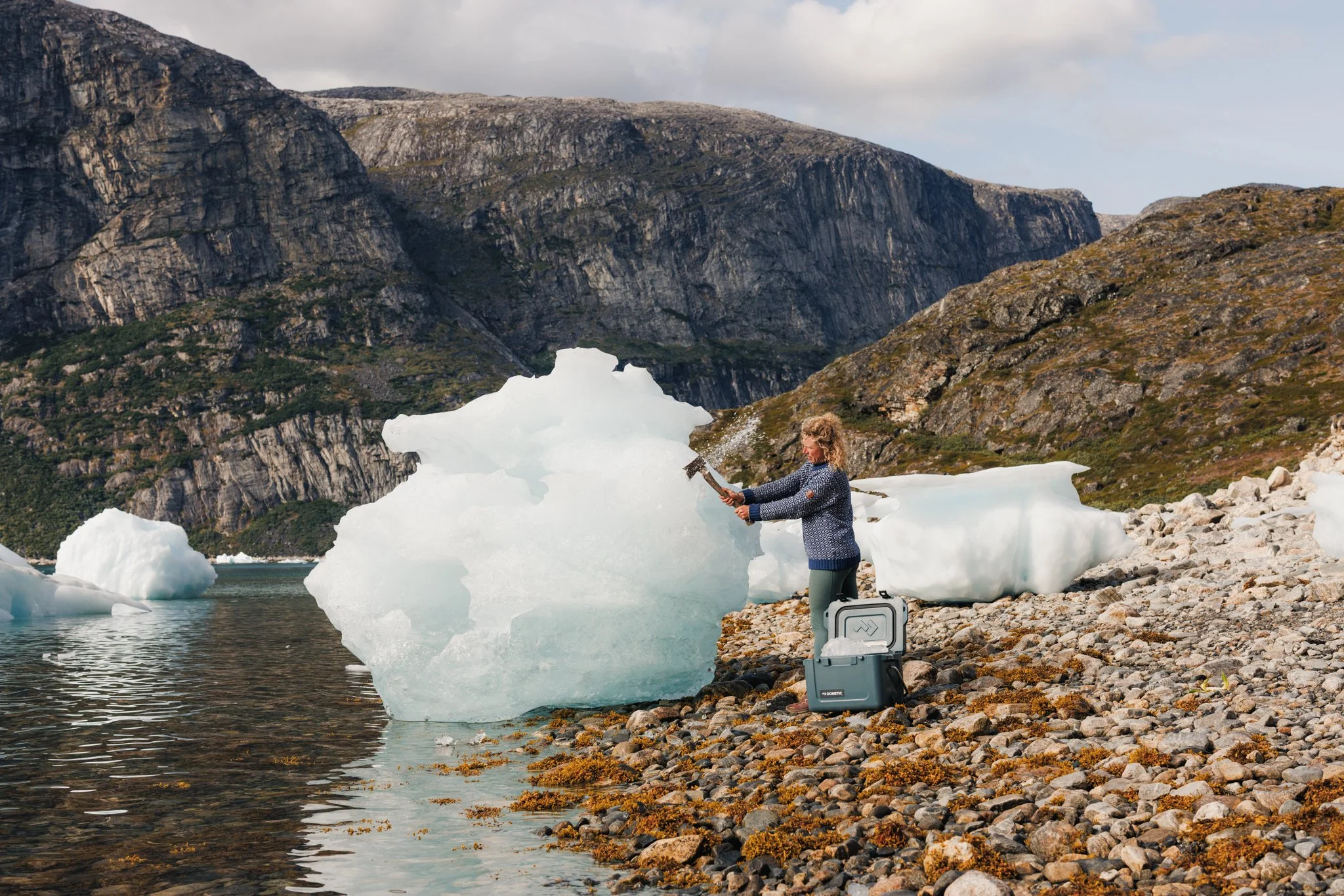
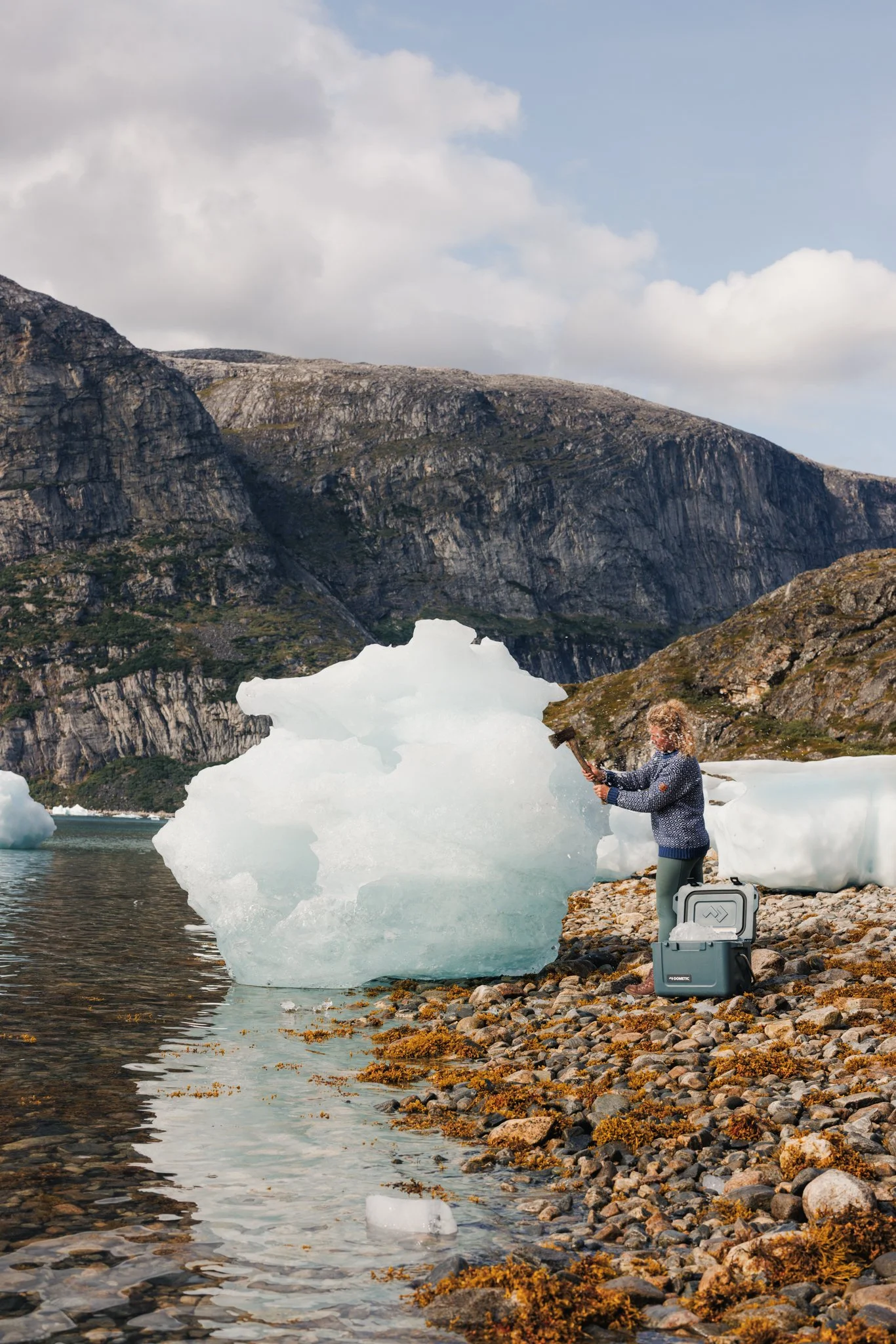
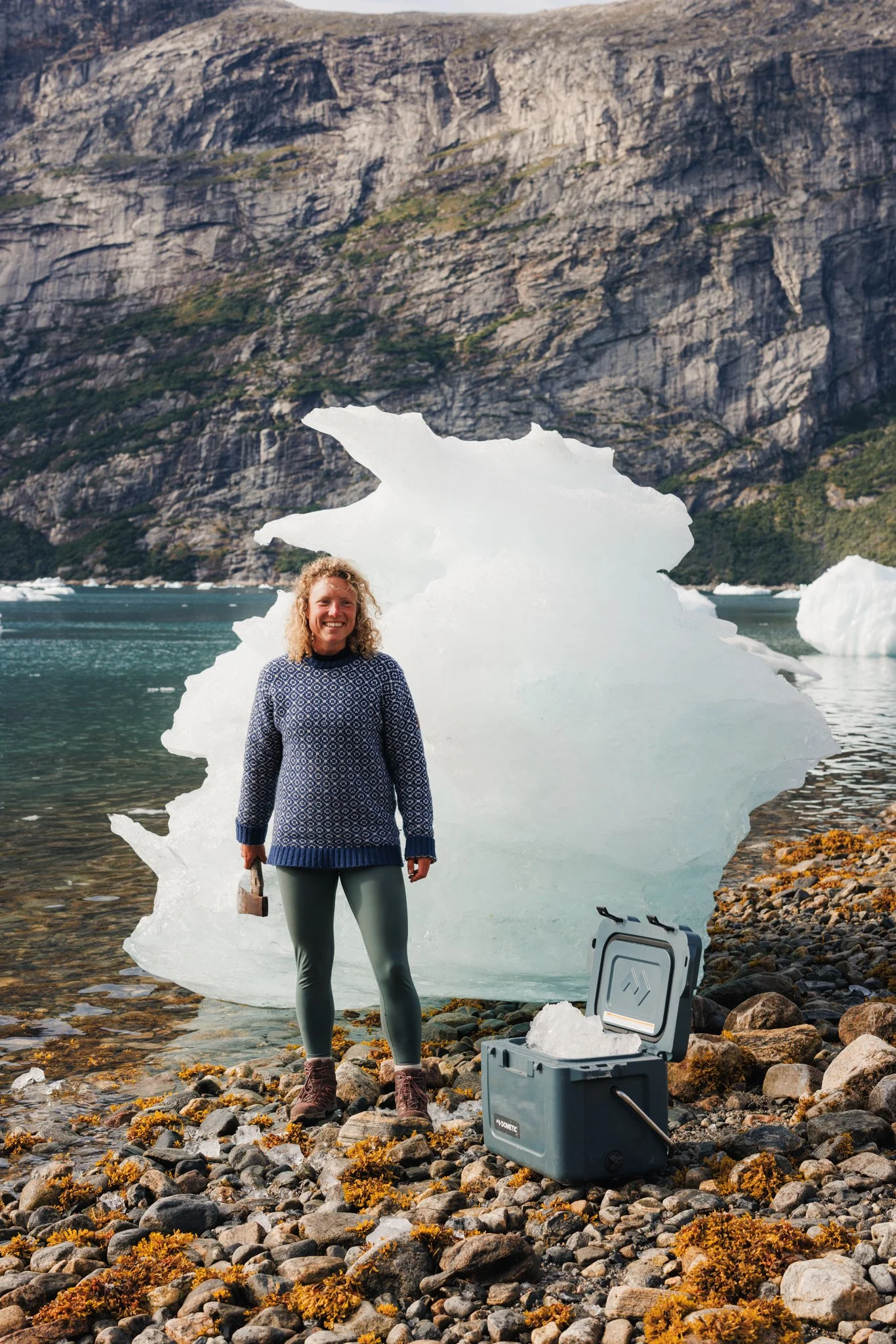
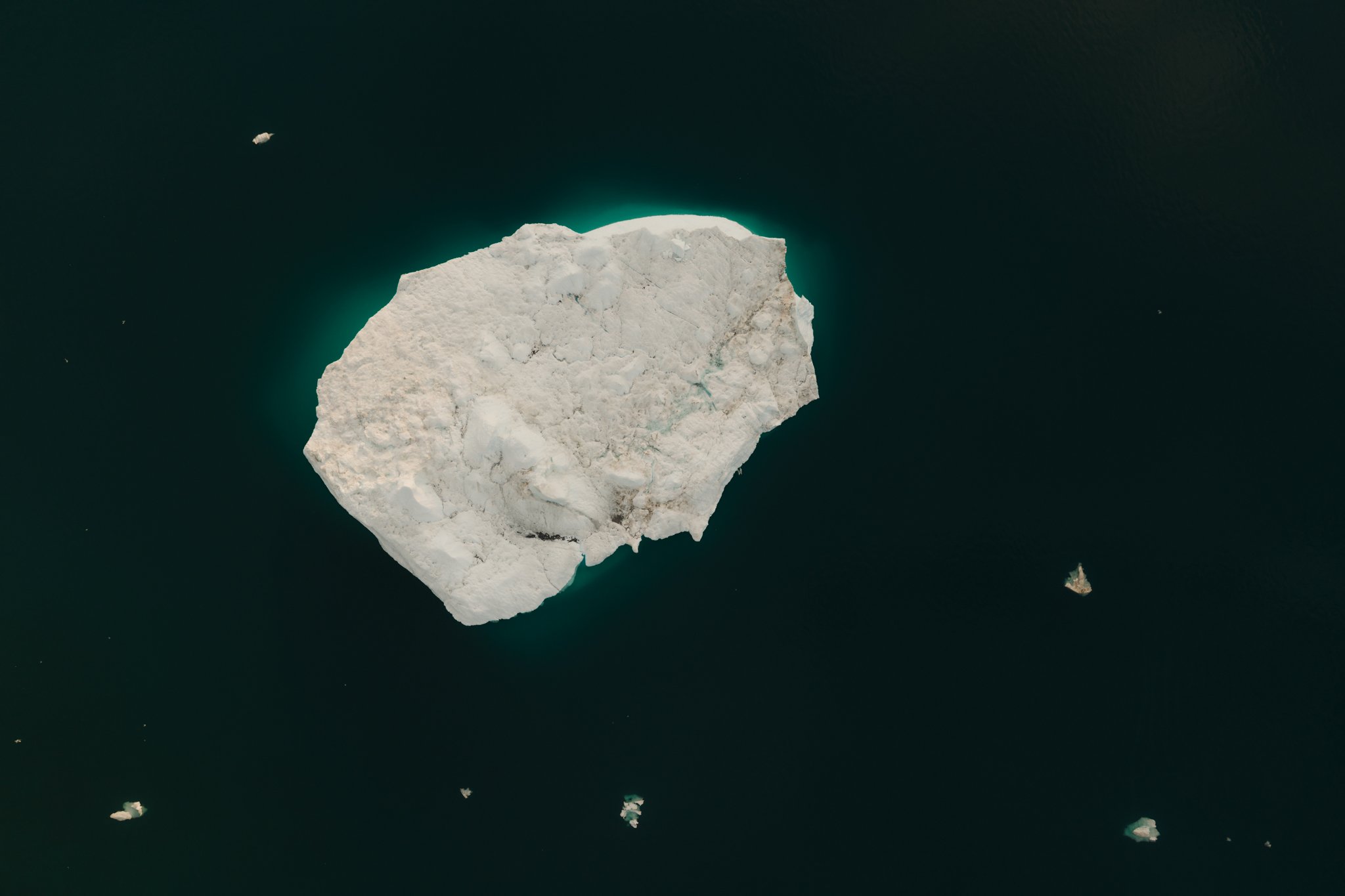
And always the ice is doing something. We traveled to an iceberg lake where thousands of pieces crowd together, the residue of a glacier’s recent decisions. In the waters outside camp, we weave through the fields of ice in Kodiak or kayak as the beasts crack and flip with thunderclaps that we are sternly warned could end us if we venture too close. The percussion becomes a part of our mealtime soundtrack, incorporates into our dreams. Before dinner, someone takes an axe to a beached berg, and the day’s grandest object becomes something clinking in a glass.
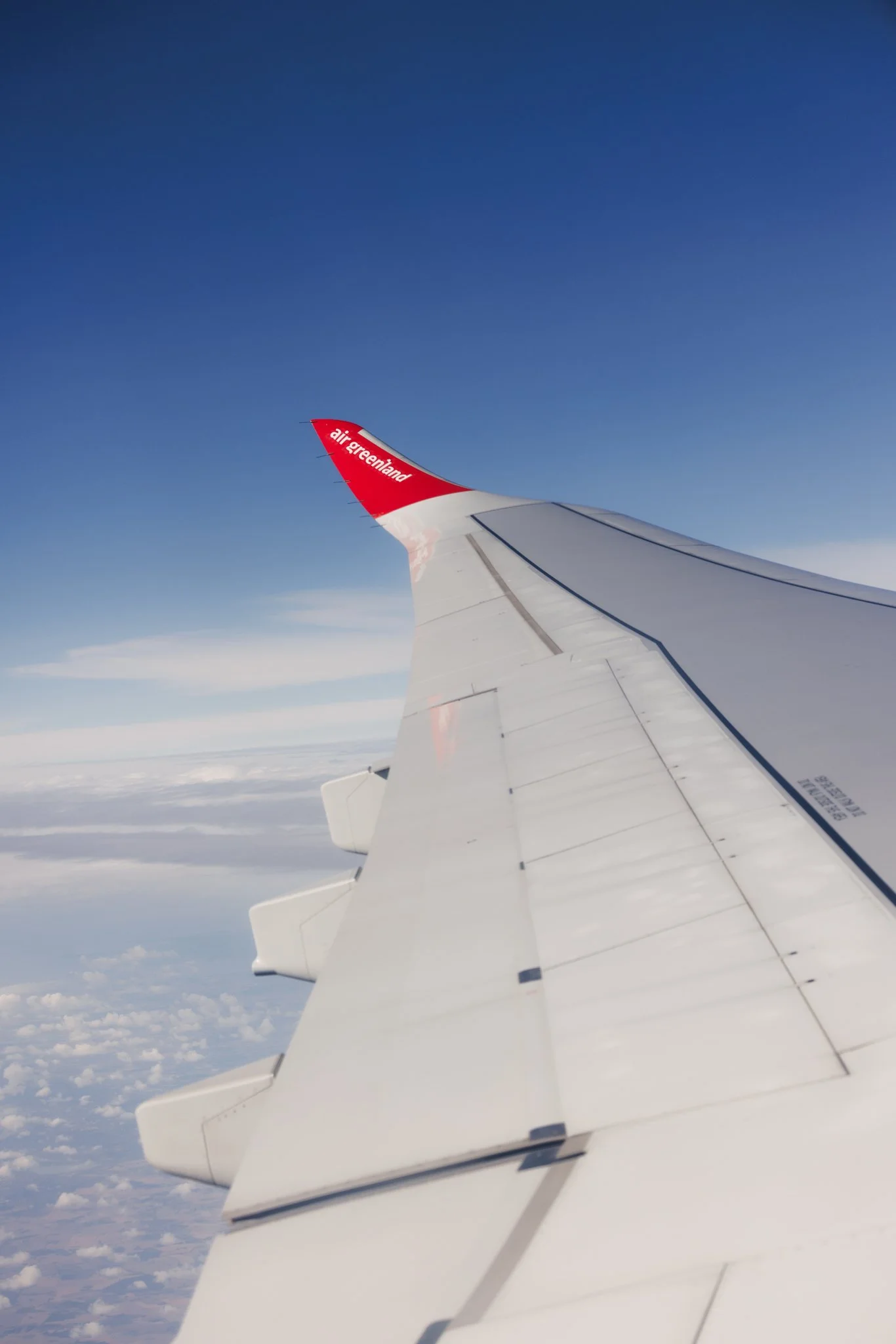
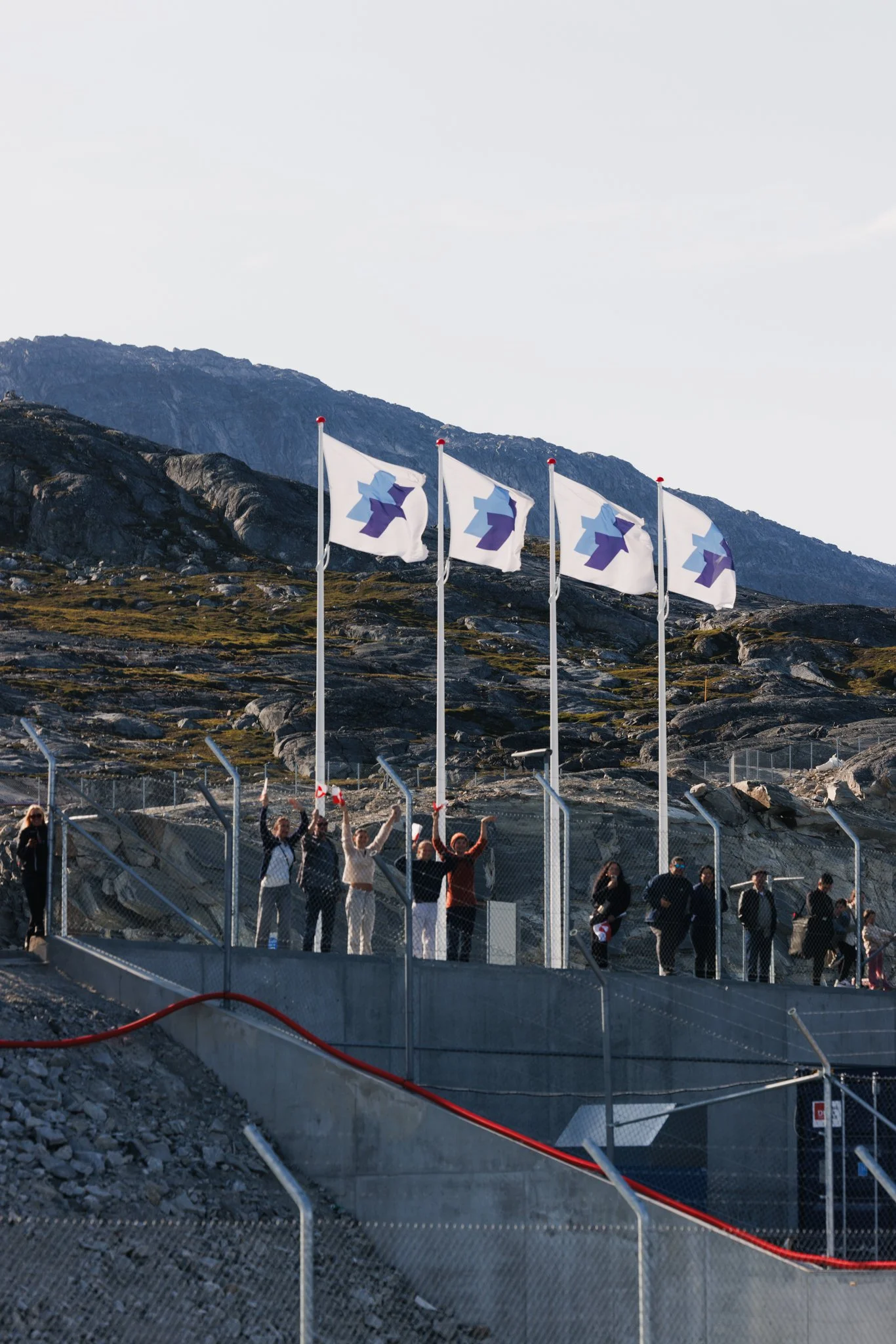
Nuuk has a way of making Trump’s obsessions look oddly small. There are bright houses, steep hills, a working port, a few spartan hotels, and then, almost as an aside, a tiny red building that serves as the United States consulate. It is the sort of structure you might photograph because it is charming, or because it is red, or because it looks like it should contain something innocent, like a stamp collection. It is harder to photograph it without thinking about how easily a modest place is poised to be drafted into a grander story. Even the arrival feels charged in miniature. You step onto the tarmac with an airplane wing still in your peripheral vision, and there are people waving under flags, cheering in a way that reads as both welcome and ceremony, as if the edge of the world is still a place where arrivals matter.
Eventually, a few weeks after our group returns to our respective corners of the world, the midnight sun fades, and the whole camp is dismantled for the season, leaving the fjord to itself again. The dock comes up. The tents vanish. The soft light is packed away. The place returns to a version of itself that does not include guests. That is the part the loud conversations on the news miss. Greenland is not a concept you can purchase or possess, not an empty square on someone else’s board. It is a place that permits you, briefly, on its own terms.